Contents
- 1 Can You Paint a Bong at Home? (And 7 Other Questions About DIY Painted Glass)
- 1.1 Can You Paint a Bong? (Short Answer: Not Recommended)
- 1.2 What Kind of Paint Can You Use on a Glass Bong?
- 1.3 Can You Clean a Bong with Paint Thinner? (Absolutely Never)
- 1.4 How to Remove Paint from a Glass Bong (If You Really Must)
- 1.5 How Can You Tell If a Bong Is Painted or Just Colored Glass?
- 1.6 Is It Safe to Spray Paint a Bong? (No, and Here’s Why)
- 1.7 How to Hand Paint a Bong (If You Insist on DIY)
- 1.8 How Do You Clean a Painted Bong Without Ruining the Art?
- 1.9 What If You Already Ruined Your Bong with Paint or Thinner?
- 1.10 Conclusion
Can You Paint a Bong at Home? (And 7 Other Questions About DIY Painted Glass)
You want a unique bong. Maybe you’ve seen cool painted pieces online and thought: “I can do that myself with some spray paint or acrylics.” I get the urge. But here’s the truth most DIY tutorials won’t tell you.
You can physically paint a bong, but it’s almost never a good idea. Most paints aren’t heat‑safe, will peel or bubble, and can release toxic fumes when the glass warms up. Professional painted bongs use specialized materials and curing processes that DIY cannot replicate. Save yourself the frustration – and the health risk – by buying factory‑made painted glass.
I’m Frank from CloverGlass. Over the last 13 years, I’ve seen dozens of customers ruin perfectly good bongs with DIY paint jobs or harsh chemicals. In this guide, I’ll answer every question you have about painting, cleaning, and removing paint from glass bongs – and then show you a better way.
Can You Paint a Bong? (Short Answer: Not Recommended)
You can physically paint a bong, but it’s almost never a good idea. Most paints aren’t heat‑safe, will peel or bubble, and can release toxic fumes when the glass warms up. Professional painted bongs use specialized materials and curing processes that DIY cannot replicate.
I understand the appeal. You want a bong that looks like no one else’s. Maybe you’re an artist yourself. But glass is a tricky surface. It’s smooth, non‑porous, and expands when heated. Ordinary paints – acrylics, spray paints, even model enamels – simply aren’t designed for this.
When you heat the bowl, the glass around it warms up. That warmth transfers to the painted area. Soon, your beautiful design starts to bubble, peel, or discolor. Worse, some paints release volatile organic compounds (VOCs) when heated. You do not want to inhale that.
I’ve had customers send me photos of their DIY projects. One guy used spray paint on a beaker bong. After three sessions, the paint looked like cracked mud. Another used acrylic markers – the colors ran the first time he rinsed it. Both ended up buying a professionally painted bong from us anyway.
My advice: Don’t learn the hard way. If you want a painted bong, buy one that’s already made for the job.
👉 Shop our 3D Painted Bong collection →
What Kind of Paint Can You Use on a Glass Bong?
Acrylic paint, spray paint, and enamel model paint are the most common DIY choices, but none are truly safe or durable for a bong. Heat, moisture, and regular cleaning will cause them to fail. Only ceramic‑based paints baked at high temperatures work – and that’s factory work.
Let’s go through the options people search for:
Acrylic paint – Water‑based, easy to use, but soft. It melts or softens above 150°C (300°F). Your bong’s exterior can easily reach that temperature near the bowl. Acrylic also absorbs moisture and will peel after a few cleanings.
Spray paint (including enamel spray) – Contains solvents that off‑gas for weeks. When heated, those solvents can be released again. Spray paint also chips easily. One knock against a hard surface, and you’ll have bare glass showing.
Glass paint (like Pebeo Vitrea 160) – These are designed for decorative glass that won’t be heated or washed aggressively. They require baking in a home oven. Even then, they’re not meant for repeated thermal cycles.
Epoxy or two‑part paint – Harder than acrylic, but still not heat‑safe beyond about 120°C (250°F). Also, many epoxies yellow over time.
The only paints that truly work are ceramic or glass enamels that are fired in a kiln at 600°C+ (1100°F). That fuses the pigment into the glass surface. No home oven can do that. That’s why factory‑made painted bongs last – and DIY ones don’t.
“But I saw a YouTube video where someone used acrylic and it looked great!” – Yes, it looks great for the video. Ask them how it looks after a month of daily use.
Can You Clean a Bong with Paint Thinner? (Absolutely Never)
No. Paint thinner is highly toxic, damages glass, and leaves chemical residues that can be inhaled. Even if you rinse thoroughly, thinner can etch the glass surface and destroy any artwork. Use isopropyl alcohol and salt instead.
This question comes up more often than you’d think. Someone has a bong with stubborn residue, and they reach for the strongest solvent in the garage. Stop right there.
Paint thinner (mineral spirits, acetone, or toluene) is designed to dissolve oil‑based paints and varnishes. It will also:
- Etch the glass – Over time, it creates microscopic pits that make the glass look permanently foggy.
- Damage any paint or decal – If you have a painted bong, thinner will strip it instantly.
- Leave toxic residue – Even after rinsing, trace amounts remain. When you heat the bong, those chemicals vaporize. You inhale them.
- Weaken glass – Some thinners can cause stress cracking, especially if the glass has existing micro‑fractures.
One customer emailed me saying he’d soaked his bong in paint thinner overnight because “alcohol wasn’t strong enough.” The bong came out looking like frosted glass – permanently ruined. He had to throw it away.
Safe alternative: Isopropyl alcohol (91% or higher) and coarse salt. That’s it. It cleans resin without damaging glass or your lungs.
👉 Read our full guide: How to Clean Painted Glass Safely →
How to Remove Paint from a Glass Bong (If You Really Must)
If you have a bong with unwanted paint, use isopropyl alcohol (91%+) and gentle scraping with a plastic razor blade. Never use paint thinner, acetone, or metal tools. Soak, then wipe. Patience is key – force breaks glass.
Maybe you bought a used bong that has ugly paint. Or you tried to DIY and now regret it. Removing paint from glass is possible, but you have to be careful.
Safe Removal Steps
- [ ] Soak the painted area in 91%+ isopropyl alcohol for 15–30 minutes. Put the bong in a plastic bag with alcohol, sealing the top.
- [ ] Gently rub with a soft cloth or sponge. Don’t scrub hard – let the alcohol do the work.
- [ ] For stubborn spots, use a plastic razor blade or an old credit card. Never use metal blades – they’ll scratch the glass.
- [ ] Repeat soaking and wiping until the paint is gone.
- [ ] Rinse thoroughly with warm water.
What Not to Do
- ❌ Paint thinner or acetone – will etch the glass.
- ❌ Metal scrapers or steel wool – permanent scratches.
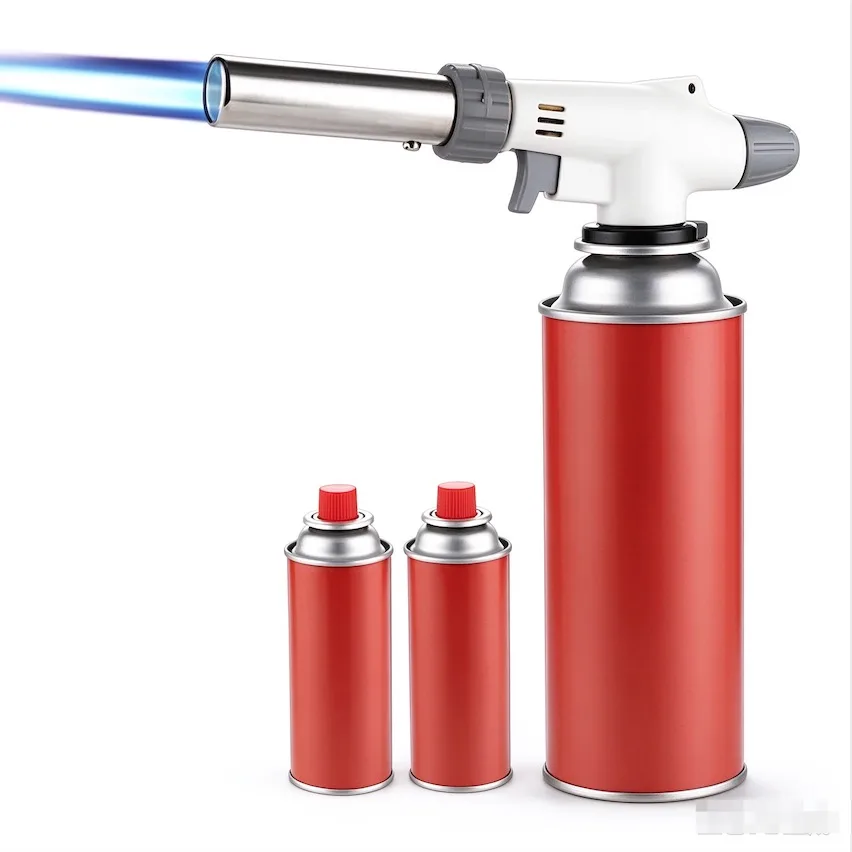
- ❌ Heat gun or torch – thermal shock will crack the bong.
- ❌ Sandpaper – you’ll ruin the transparency.
Even with perfect technique, the glass underneath may never look brand new. Some paints chemically bond to the surface. You might be left with a ghost image or foggy patches. That’s why prevention is better than removal.
If the paint is inside the air path, I strongly recommend replacing the bong instead. You never want to inhale residual paint chips or solvent.
How Can You Tell If a Bong Is Painted or Just Colored Glass?
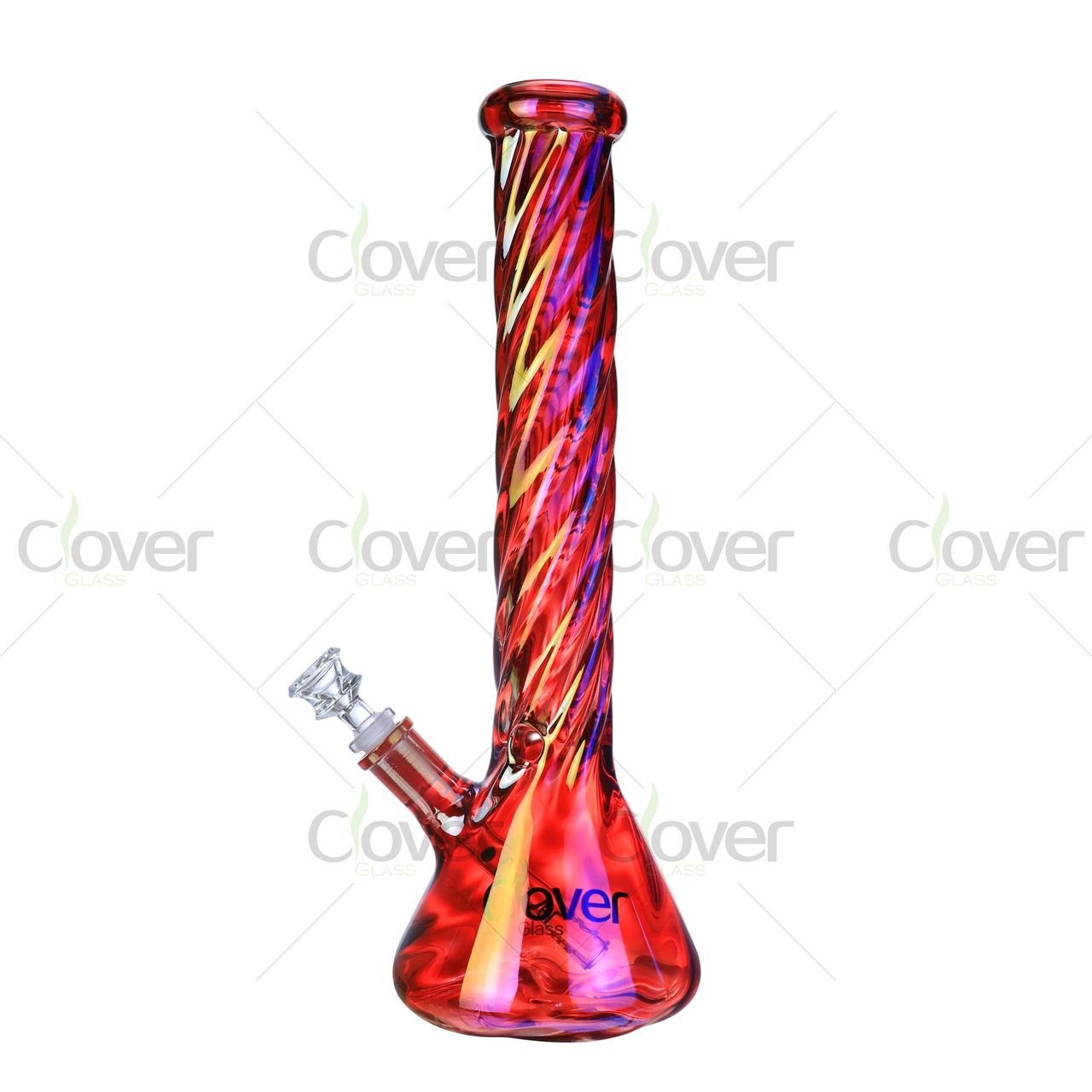
Run your finger over the design. If you feel raised texture, it’s painted (or decal). If the color is smooth and part of the glass itself, it’s colored glass (e.g., fumed or borosilicate rods). Painted bongs can chip; colored glass won’t.
This is a common question from people shopping online or inspecting used pieces. Here’s how to tell:
| Test | Painted / Decal | Colored Glass |
|---|---|---|
| Fingertip feel | Raised texture (you can feel the edge of the paint) | Perfectly smooth |
| Fingernail scratch | May feel a slight ridge | Nothing, because color is inside the glass |
| Light transmission | Paint blocks light – you see a silhouette | Color is translucent – light passes through |
| Edge inspection | Paint stops at a line; you may see a boundary | Color fades gradually or is uniform |
| Durability | Can chip or peel | Will not chip (glass itself is colored) |
Why it matters: Painted bongs require special care (no alcohol on the paint, gentle cleaning). Colored glass bongs (like fumed or borosilicate rods) can be cleaned normally – the color is permanent.
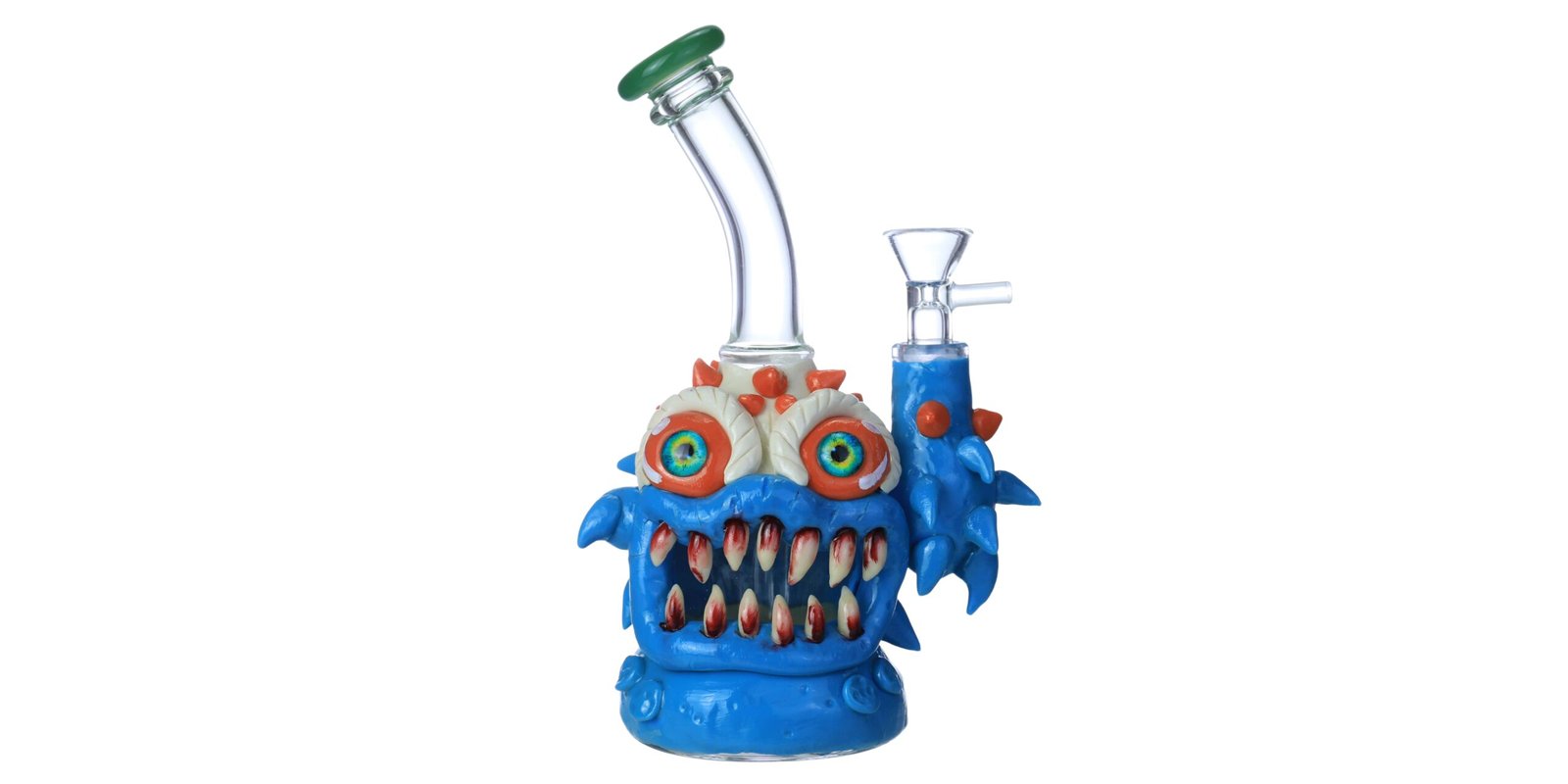
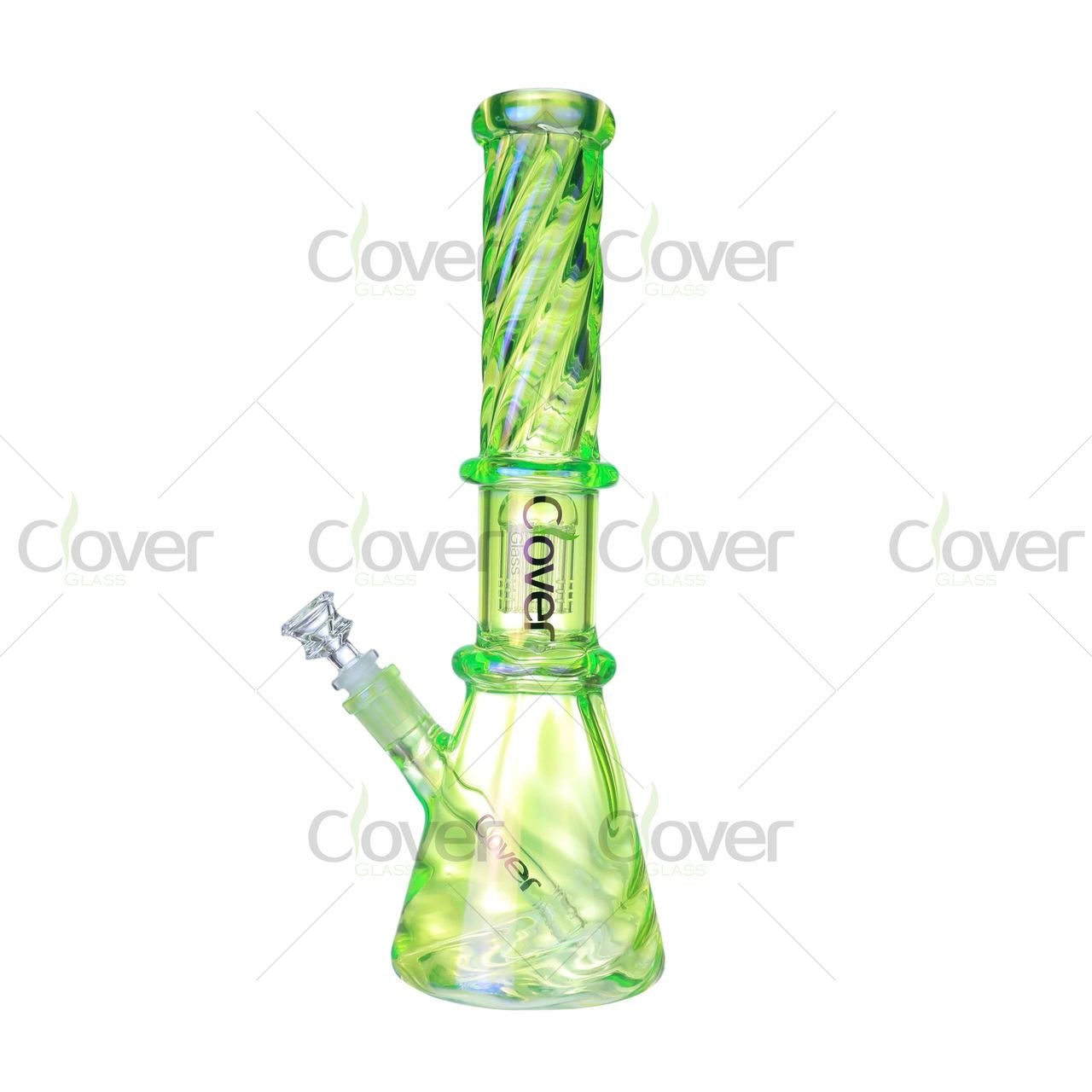
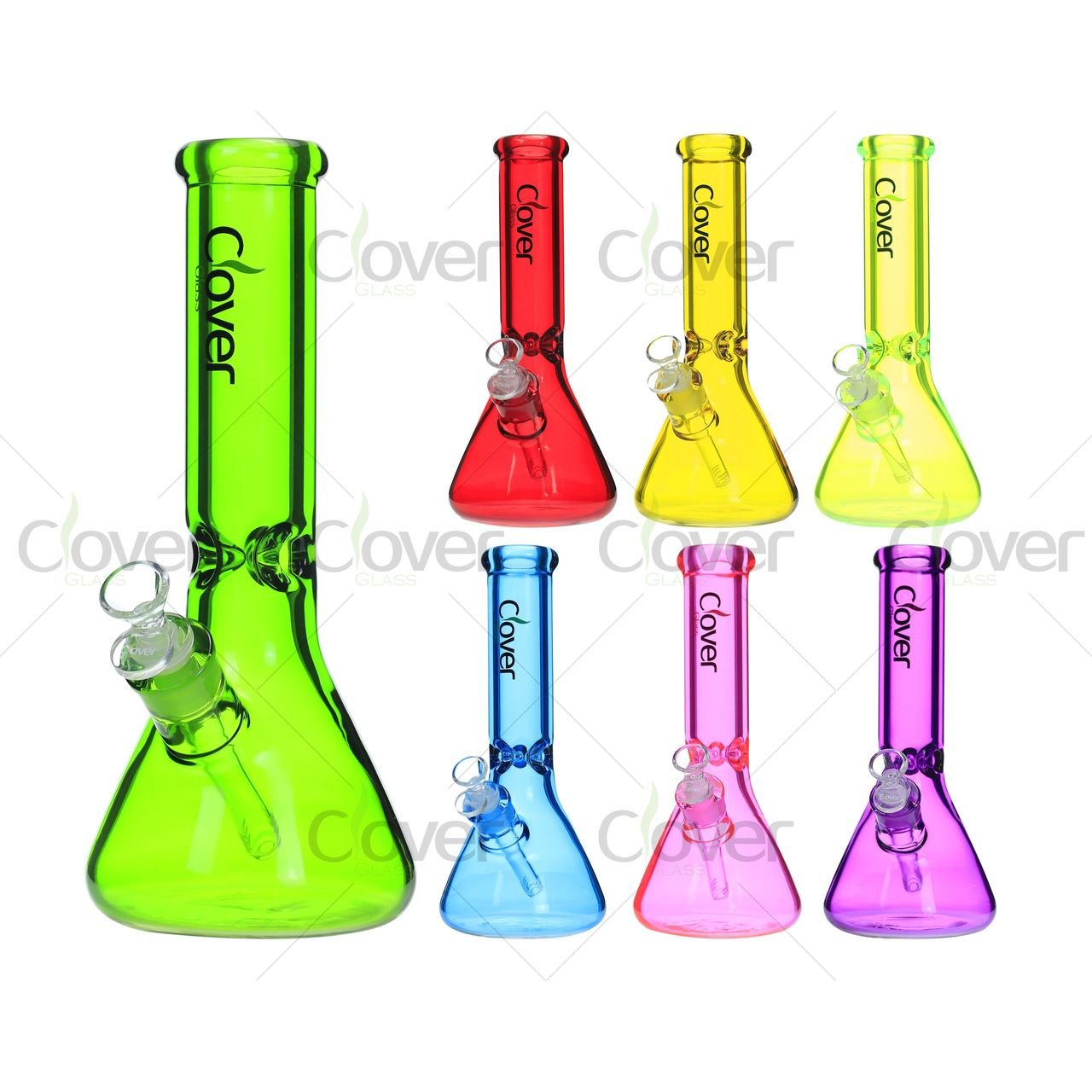
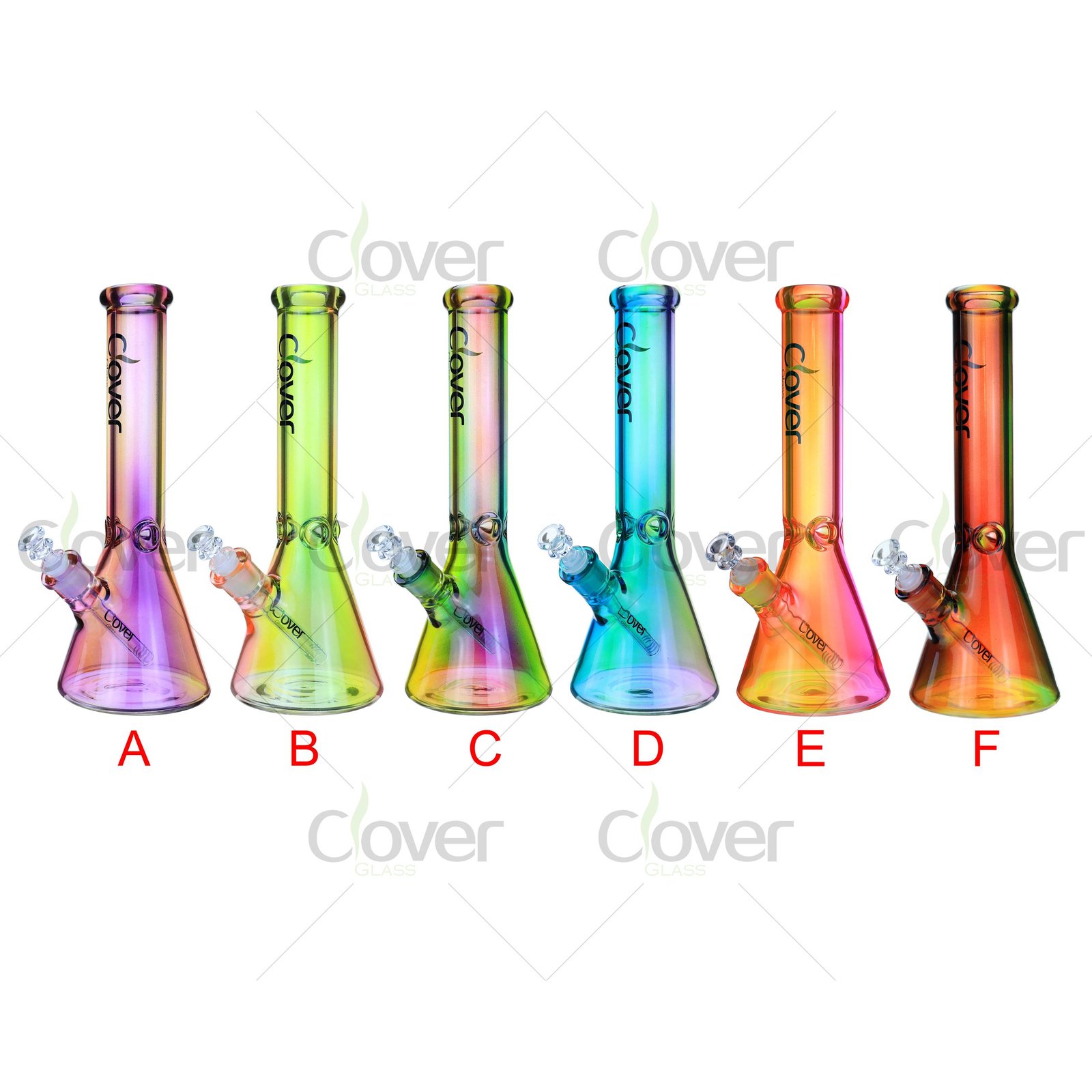
At CloverGlass, our 3D painted bongs use raised, hand‑sculpted clay or enamel. You can feel every detail. Our colored glass bongs (e.g., fumed galaxy designs) are smooth and will never fade.

Is It Safe to Spray Paint a Bong? (No, and Here’s Why)
Spray paint is not heat‑safe, will bubble and peel, and releases toxic fumes when the bong warms up. Even if you only paint the outside, the heat transfers through the glass. Never spray paint any surface that will be heated or handled frequently.
I’ve seen “DIY bong painting” videos on social media that use spray paint. They make it look easy. But those videos never show you the bong after a week of use.
Here’s what actually happens:
- Week 1: Looks great. You’re proud.
- Week 2: Small chips appear near the bowl where heat is highest.
- Week 3: The paint starts to bubble. You notice a chemical smell when you take a hit.
- Week 4: Large flakes peel off. The bong looks terrible, and you stop using it.
Why Spray Paint Fails
- Heat – Even the outside of a bong can reach 50–70°C (120–160°F) near the bowl. Most spray paints soften at those temperatures.
- Solvents – Aerosol paints contain propellants and solvents that off‑gas for days or weeks. Heat accelerates off‑gassing – right into your lungs.
- Adhesion – Glass is slick. Spray paint doesn’t bond well. It will peel, especially after cleaning.
What about “high‑heat” spray paint (like BBQ paint)? Those are designed for metal grills, not glass. They still contain chemicals you don’t want to inhale, and they often require curing at high temperatures that will crack your bong.
Bottom line: Don’t do it. No spray paint is safe for a smoking device.

How to Hand Paint a Bong (If You Insist on DIY)
If you still want to hand paint, use food‑safe ceramic paint and bake it according to instructions. Keep paint away from the bowl, downstem, and mouthpiece. Expect it to fade or chip within weeks. Professional painted bongs are always better.
I’d rather you didn’t try this at all. But some people are stubborn – I was too when I started in this industry. So if you absolutely must, here’s the least‑bad method.
Materials You’ll Need
- Ceramic glass paint (e.g., Pebeo Vitrea 160) – the only type that might survive a few uses.
- A clean, bare glass bong (no existing paint or coating).
- Small soft brushes (not foam).
- A household oven (but this is risky).
Step by Step
- Clean the glass thoroughly with isopropyl alcohol. Let it dry completely.
- Paint only the outside of the bong. Never paint the bowl, downstem joint, mouthpiece, or any surface that will be heated or come into contact with your mouth.
- Let the paint dry for 24 hours.
- Bake according to the paint instructions (usually 150–160°C / 300–320°F for 30–40 minutes). Warning: Household ovens have uneven heat. The bong could crack from thermal stress. Place it on a room‑temperature baking sheet and put it in a cold oven, then heat slowly.
- Let the oven cool completely before opening the door. Sudden temperature change will crack the glass.
- Test with warm water (not hot) before using.
What to Expect
- The paint will still be less durable than factory‑fired enamel.
- Cleaning will be a nightmare – you can’t use alcohol on the painted areas.
- Heat will eventually cause bubbling or discoloration near the bowl.
- Expect to redo it every few months.
Honestly? For the cost of the paint, the time, and the risk of ruining your bong, you’re better off buying a professionally painted piece. We have dozens of designs starting at reasonable wholesale prices.
👉 Browse our painted bong collection instead →
How Do You Clean a Painted Bong Without Ruining the Art?
Clean a painted bong with warm water and mild dish soap only on the exterior. For the inside, use isopropyl alcohol and salt as usual, but keep alcohol away from the painted surface. Never soak the artwork. Rinse immediately if alcohol touches it.
If you already own a painted bong (or plan to buy one), you need to know how to maintain it. The biggest mistake is treating it like a clear glass bong.
Safe Cleaning Routine for Painted Bongs
| Area | Method |
|---|---|
| Inside chamber | Isopropyl alcohol (91%+) + salt. Swirl, don’t shake. Rinse well. |
| Outside painted area | Warm water + a drop of mild dish soap. Wipe gently with a soft sponge. Never soak. |
| Mouthpiece & joints | Cotton swab with alcohol – avoid drips onto painted surfaces. |
| Drying | Air dry upside down on a towel. Don’t wipe painted areas with abrasive cloths. |
What to Avoid
- ❌ Soaking the whole bong in alcohol – will soften and strip paint.
- ❌ Dishwasher – high heat and detergents will destroy artwork.
- ❌ Abrasive brushes or scrub pads – scratches the paint.
- ❌ Boiling water – thermal shock cracks glass and paint.
One more tip: Clean your painted bong before residue hardens. The longer you wait, the more you’ll be tempted to scrub hard. Gentle, frequent cleaning is the secret to long‑lasting artwork.
👉 For a deep dive, read our complete guide to cleaning painted glass.
What If You Already Ruined Your Bong with Paint or Thinner?
If paint has peeled inside the air path, stop using the bong immediately. Inhaled paint chips or thinner residue can be dangerous. The safest option is to replace the bong. We offer affordable, professionally painted bongs that won’t harm you.
Sometimes people realize too late that they’ve made a mistake. The paint is bubbling, or they used paint thinner and now the bong smells like chemicals.
Here’s how to assess the damage:
Signs You Need to Retire the Bong
- Paint is peeling inside the chamber or downstem. Those flakes will be inhaled.
- A strong chemical smell remains after multiple washes.
- The glass has become foggy or etched from solvent damage.
- Cracks have appeared – often caused by thermal shock during DIY baking or aggressive cleaning.
Can You Fix It?
Unfortunately, no. Once paint has contaminated the interior air path, or solvents have etched the glass, the bong is unsafe to use. You can’t “clean” away the damage.
The Safe Solution
Buy a new bong. I know that’s not what you want to hear, but your health is worth more than a piece of glass.
We offer a wide range of professionally painted bongs – 3D hand‑painted, decal, and color‑worked designs. They are made with safe, heat‑cured materials and come with a warranty. No DIY risks.
For smoke shop owners: If you have customers coming in with ruined bongs, offer them a trade‑up. Stock our painted bongs and you’ll never hear complaints about paint peeling off.
👉 Contact Frank for wholesale pricing →
Conclusion
DIY painting a bong seems like a fun weekend project. In reality, it’s a fast track to a ruined piece of glass and potentially harmful fumes. Acrylics, spray paint, and paint thinner have no place near your smoking accessories.
- Don’t paint your bong – the results are never durable, and the health risks are real.
- Don’t use paint thinner – it destroys glass and leaves toxic residues.
- Do buy professionally painted bongs – they’re made with heat‑safe materials and proper curing.
If you’re a smoke shop owner, stocking painted bongs is a smart move. They command higher margins, sell as gifts, and keep customers coming back for unique designs.
Three ways to get started with CloverGlass:
- Shop painted bongs – Browse our collection →
- Get a wholesale quote – Email Frank directly: Fr***@********pe.com
- Download our care guide PDF – Click here to get it →
I reply to every email personally. No bots, no scripts. Just a glass guy who wants to help you enjoy your bong safely.
FAQ (10 Q&As)
Q1: Can I paint my bong with acrylic paint?
A1: Not recommended. Acrylic paint isn’t heat‑safe and will peel or bubble when the glass warms up.
Q2: Can you clean a bong with paint thinner?
A2: Never. Paint thinner is toxic, damages glass, and leaves harmful residues.
Q3: What kind of paint should you use on a glass bong?
A3: Only ceramic‑based paints cured in a kiln are safe – that’s factory work, not DIY.
Q4: How to remove paint from a glass bong?
A4: Soak with isopropyl alcohol and use a plastic scraper. Avoid metal tools or solvents.
Q5: Is it safe to spray paint a bong?
A5: No. Spray paint releases toxic fumes when heated and peels quickly.
Q6: Can you paint the inside of a bong?
A6: Absolutely not. Paint inside the air path will be inhaled. Never do this.
Q7: How to tell if a bong is painted or colored glass?
A7: Run your finger over the design. Raised texture = painted. Smooth = colored glass.
Q8: Will paint thinner damage a glass bong?
A8: Yes, it can etch the surface and weaken the glass permanently.
Q9: How to clean a painted bong without ruining the art?
A9: Use warm water and mild soap on the outside. Clean inside normally but avoid alcohol touching the paint.
Q10: Can I bake a painted bong in my oven to cure the paint?
A10: Household ovens have uneven heat and can crack the glass. Don’t risk it.
This guide is for informational purposes. Always prioritize your health. If you’re unsure about any DIY method, consult a professional.