You’ve probably seen one and thought, “That looks cool—but what is it actually for?”
Many people like the zig-zag look of a Zong bong, but don’t fully understand how it works or whether it’s right for them.
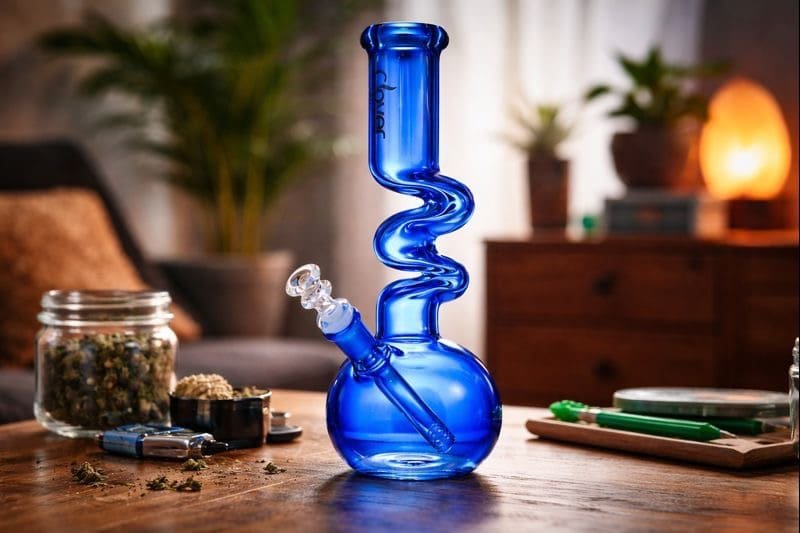
A Zong glass bong is a type of glass water pipe with a bent, zig-zag tube designed to cool smoke, slow airflow, and create a smoother, more controlled hit. Compared with straight bongs, the bends change how smoke travels, how the piece balances, and how it’s used day to day. I’ll explain it clearly, without hype.
I’m Frank from CloverGlass. I’ve worked with Zong bongs for over a decade—on the factory floor, during QC tests, and through real feedback from U.S. customers. Let’s start from the basics.
What is a Zong glass bong?
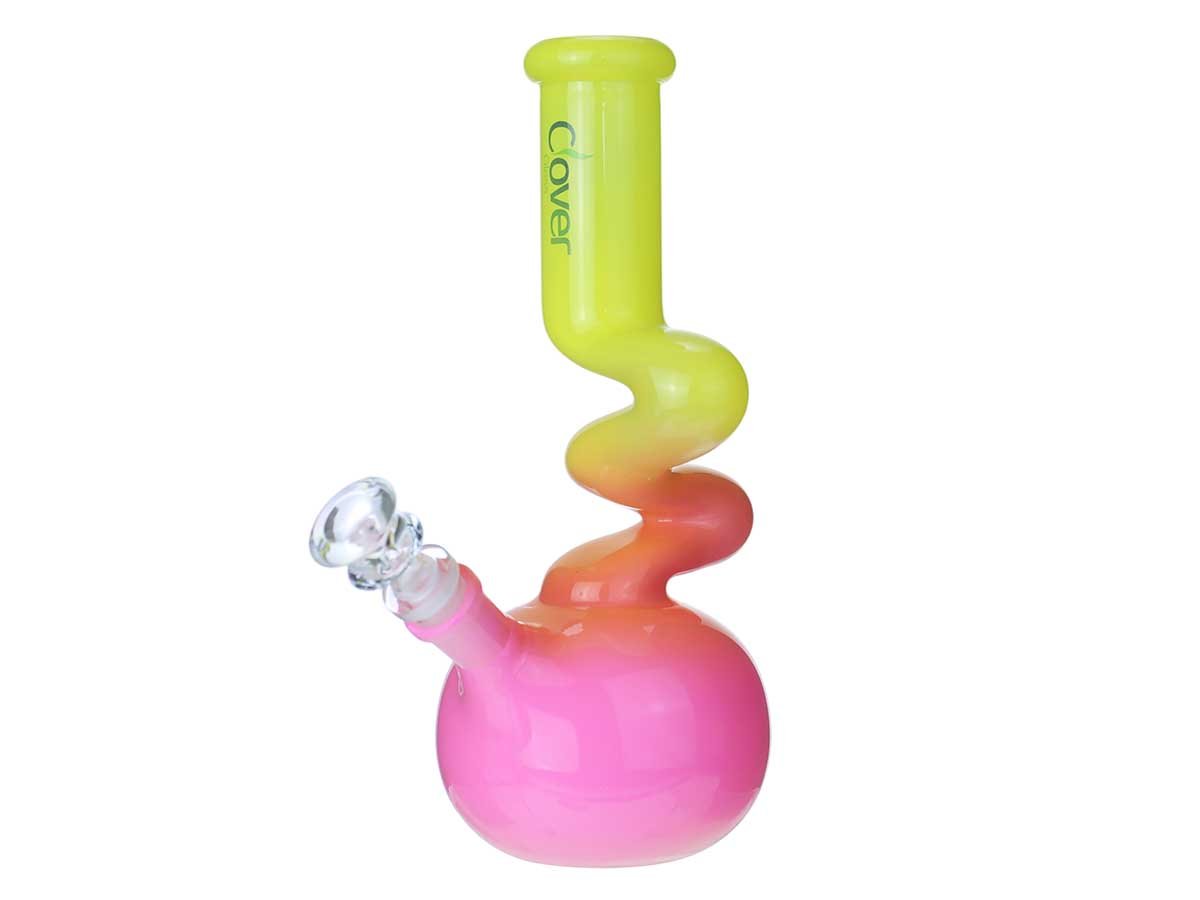
A Zong glass bong is a glass water pipe with one or more bent sections in the tube, creating a zig-zag shape that alters airflow and smoke cooling.
At its core, a Zong bong is still a bong. It uses water filtration to cool smoke before inhalation. The difference is the shape. Instead of a straight tube, the neck bends at sharp or soft angles, usually forming a Z or zig-zag profile.
These bends are not just decorative. They lengthen the smoke path and slow down airflow. As smoke travels through each angle, it loses heat and speed. This changes the feel of the hit.
Most Zong bongs are made from borosilicate glass. This glass handles heat better than regular glass and is standard for quality water pipes. Still, because of the bends, Zongs must be designed and annealed carefully. In our factory, Zongs go through longer annealing cycles to reduce internal stress.
Zong bongs come in many sizes. Small ones can be under 10 inches. Large display pieces can exceed 20 inches. For daily use, mid-size Zongs are more common, but size deserves its own discussion later.
From a user’s point of view, a Zong bong feels different. The hit is often slower and more controlled. Some people describe it as “layered.” That’s the bends doing their job.
Core characteristics of a Zong bong
- Bent or zig-zag tube design
- Longer smoke path than straight bongs
- Usually made from borosilicate glass
What it is not
A Zong bong is not a dab rig by default, and it’s not just a novelty shape. It’s a functional design choice.
Why is it called a “Zong” bong?
The name “Zong” comes from the zig-zag or Z-shaped appearance of the bent tube, not from a brand or material.
Many people assume “Zong” is a brand name. It’s not. It’s an industry nickname that stuck.
Early bent-neck bongs resembled a stretched “Z” when viewed from the side. Over time, smokers and retailers started calling them “Zong bongs” as shorthand. The name spread through shops, forums, and now online searches.
You’ll also hear terms like:
- Zig-zag bong
- Bent neck bong
- Z-style bong
They usually refer to the same concept.
From a business perspective, this nickname matters. Customers search “Zong bong” far more often than “bent neck glass bong.” That’s why we use the term openly—it matches how people actually talk.
I remember a U.S. buyer telling me years ago, “If it looks like a lightning bolt, my customers call it a Zong.” That’s still true today.
Not tied to one maker
Many factories produce Zong-style bongs. Quality varies widely.
Why naming matters
Using common language helps buyers find what they want faster.
How does a Zong glass bong work?
A Zong glass bong works by forcing smoke through water and multiple bends, which slows airflow, cools smoke, and reduces harshness compared with a straight tube.
The basic process is simple:
- Smoke is pulled from the bowl into the downstem
- It bubbles through water
- It travels upward through the bent tube
- It reaches the mouthpiece cooler and slower
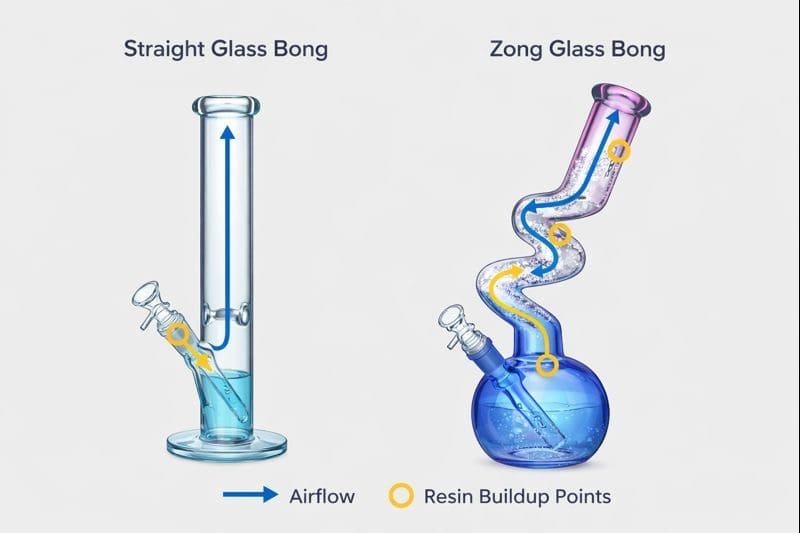
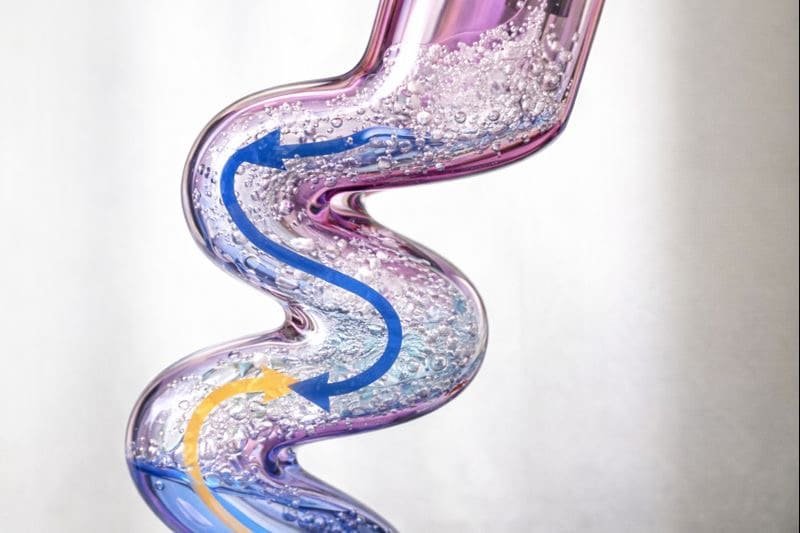
The key difference is step three. In a straight bong, smoke rises directly. In a Zong, smoke changes direction multiple times. Each bend disrupts airflow and causes smoke to spread slightly along the glass walls. This increases surface contact and cooling time.
From our internal tests, airflow speed in Zongs is measurably slower at the same pull strength. That’s why many users feel more control over the hit.
However, there’s a trade-off. More bends also mean more places for residue to settle. That’s why cleaning frequency matters more with Zongs.
Another point is balance. As smoke moves through angled sections, the physical shape of the bong affects how it sits on a table. This is why base design is critical for Zongs.
Simple airflow comparison
- Straight bong: fast, direct
- Zong bong: slower, staged
Heat management note
Even with borosilicate glass, avoid sudden temperature changes. Bends concentrate stress.
What is the difference between a Zong bong and a straight bong?
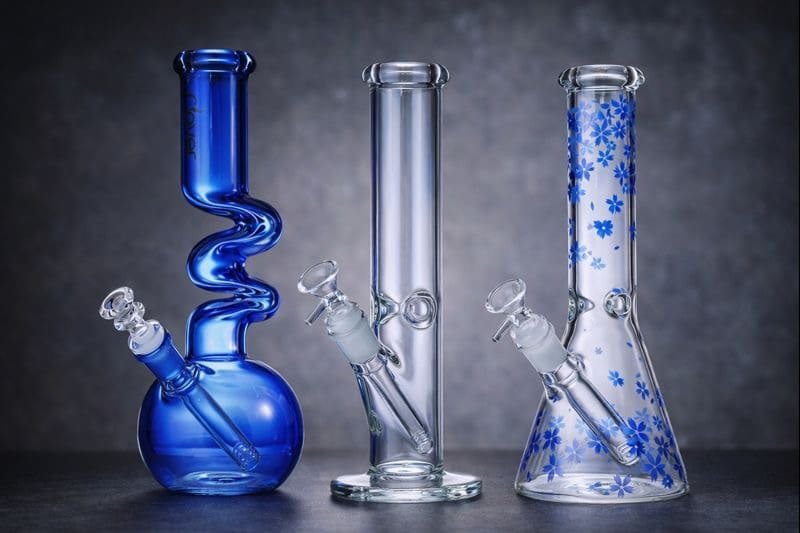
The main difference is tube shape: Zong bongs have bent sections that change airflow, balance, and cleaning needs, while straight bongs prioritize simplicity and speed.
Here’s a practical comparison based on daily use and customer feedback:
| Feature | Zong Bong | Straight Bong |
|---|---|---|
| Tube shape | Bent / zig-zag | Straight |
| Airflow | Slower, controlled | Fast, direct |
| Cooling | Longer path | Shorter path |
| Stability | Depends heavily on base | Generally stable |
| Cleaning | More involved | Easier |
| Visual appeal | High | Minimal |
Straight bongs are predictable. They’re easy to clean and easy to store. Zongs trade some of that simplicity for a different experience.
In retail, Zongs often attract buyers who want something visually distinct. Straight bongs attract buyers who want efficiency.
Neither is “better” universally. It depends on priorities.
One small anecdote: in our LA warehouse, when customers handle both styles side by side, they often feel the difference immediately. Zongs feel more deliberate. Straight bongs feel straightforward.
Cleaning consideration
Zongs need more attention because residue settles in bends.
Storage consideration
Zongs take more horizontal space due to overhang.
What are Zong glass bongs commonly used for?
Zong glass bongs are most commonly used for smoking dry herb at home, where smoother airflow and visual design matter more than portability.
Most Zongs are designed for dry herb. They use standard bowls and downstems, typically 14mm or 18mm joints. While some users adapt them for concentrates, Zongs are not purpose-built dab rigs.
Common use cases include:
- Daily home sessions
- Social smoking in small groups
- Display pieces in smoke shops
- Personal collections
Because of their shape, Zongs are less travel-friendly. They’re better suited to stable surfaces.
From sales data, Zongs perform best in markets where customers value style and experience over compactness. That’s especially true in the U.S.

Home use advantage
Zongs shine when you don’t need to move them often.
Not ideal for
Backpacks, cars, or quick outdoor use.
Are Zong glass bongs good for beginners?
Yes, Zong glass bongs can be good for beginners—if the size and base design are appropriate.
Beginners often worry that Zongs are “too advanced.” In reality, the learning curve is not about airflow—it’s about handling.
For first-time users, I usually recommend:
- Mid-size Zong (12–14 inches)
- Wide, flat base
- Fewer bends
This setup gives the benefits of smoother airflow without increasing tipping risk or cleaning difficulty.
Beginners also tend to pull too hard at first. Zongs naturally slow airflow, which can actually help new users pace themselves.
That said, very tall or complex Zongs are not beginner-friendly. They demand more care and awareness.
In our after-sales records, beginners who choose reasonable sizes report fewer breakages. Size matters more than experience.
Beginner checklist
- [ ] Stable base
- [ ] Moderate height
- [ ] Simple bend layout
Learning tip
Clean regularly. Beginners often underestimate residue buildup.
Conclusion
A Zong glass bong is more than a bent tube. It’s a design choice that changes airflow, cooling, and the overall smoking experience. The zig-zag shape slows smoke, adds visual character, and creates a more controlled hit—but it also requires more attention to size, stability, and cleaning.
For consumers, Zongs work best for home use and for users who appreciate a slower, smoother session. For retailers and brands, they stand out on shelves and attract buyers looking for something different from standard straight bongs.
If you’re sourcing or selling Zongs, size selection and base design are critical. From our experience, mid-size, stable Zongs deliver the best long-term satisfaction.
CTAs
- Order Online: https://cloverglasspipe.com/order-glass-smoking-products-online/
- Get wholesale quote / Request OEM samples: https://cloverglasspipe.com/order-glass-smoking-products-online/shop-zong-glass-bongs/
- Visit our LA warehouse to see in-stock Zong styles and ship fast
FAQ
Q1: Is a Zong bong the same as a bent neck bong?
A: Yes. “Zong bong” is a common nickname for bent or zig-zag neck glass bongs.
Q2: Do Zong bongs hit smoother than straight bongs?
A: Often yes, because the longer, angled path cools smoke more.
Q3: Are Zong bongs harder to clean?
A: They can be, because residue settles in bends. Regular cleaning helps.
Q4: Can beginners use a Zong bong?
A: Yes, if they choose a stable, mid-size model.
Q5: Are Zong bongs fragile?
A: Not if made from quality borosilicate glass and handled properly.
Q6: What size Zong bong is best for beginners?
A: Around 12–14 inches with a wide base.
Q7: Can Zong bongs be used for concentrates?
A: They’re designed for dry herb; dab rigs are better for concentrates.
Q8: Why do Zong bongs tip more easily?
A: The bent shape shifts weight away from the center.
Q9: Are Zong bongs just for looks?
A: No. The design affects airflow and cooling.
Q10: Can I order Zong glass bongs directly from CloverGlass?
A: Yes. You can order online or contact me for wholesale and OEM options.