How Do You Choose and Maintain a Bong Bowl the Right Way?
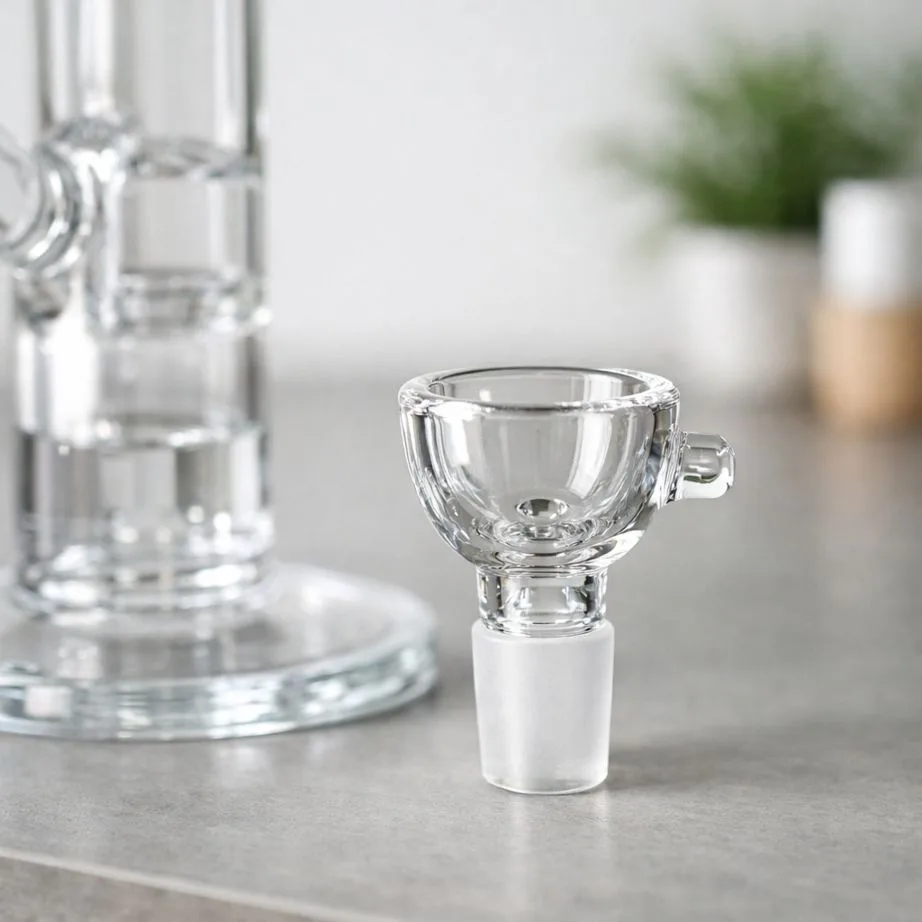
Poor fit, weak airflow, and fast buildup can make even a good piece feel disappointing. Many people blame the pipe first. In my experience, the problem often starts with the bong bowl.
The right bong bowl should match your joint size, keep airflow open, resist daily wear, and stay easy to clean. If I am choosing a bowl for bong use, I focus on fit, glass quality, hole design, and maintenance first. That approach gives better airflow, fewer issues, and a longer service life.
A while back, a customer told me his water pipe looked great but never felt right in daily use. When my team checked the photos, the issue was simple. The glass bong bowl had a poor fit, a partly blocked opening, and visible residue buildup. That is exactly why I always tell buyers not to treat the bowl like a minor accessory.
[Table of contents]
1. What Does a Bong Bowl Do?
A bong bowl holds the material, directs airflow into the pipe, and affects draw resistance, cleaning needs, and daily performance. It is a small part, but it changes the whole experience.
When people shop for a water pipe, they usually notice the body shape first. They look at the perc, the neck, the color, or the overall display value. I understand that. I work in this business every day, and I know visual design matters. But when I think about actual use and long-term satisfaction, the bong bowl matters far more than many beginners expect.
A bowl for bong use does three practical jobs. First, it holds the material. Second, it controls how air moves into the chamber. Third, it deals with repeated heat exposure and repeated cleaning. That means the bowl has to do more than look good. It needs the right opening, stable fit, and enough durability to stay functional over time.
I have seen buyers pair a good pipe with a low-quality bong bowl piece just to save a little money. That usually creates more problems later. Airflow feels restricted. The fit feels loose. Cleaning becomes annoying. Then the user thinks the whole setup is bad. In reality, the bowl was the weak point. That is one reason I always recommend checking the bowl as carefully as the main body.
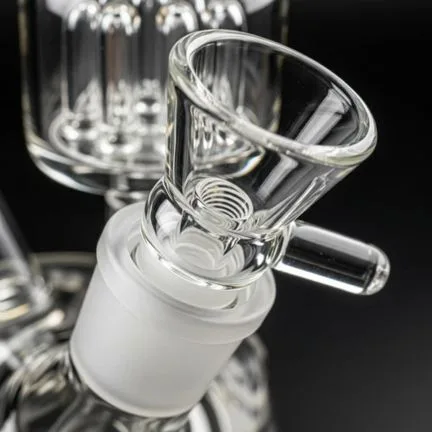
If you are new to this category, think of the bowl as the functional starting point of the setup. A poor bowl can make a strong pipe feel average. A well-made glass bong bowl can make the whole piece feel more consistent, easier to maintain, and better matched to daily use. In both retail and wholesale, this is why replacement bowls remain one of the most practical accessory categories.
Why material and finish matter
In my experience, borosilicate glass remains the safest mainstream choice for a replacement bong bowl because it is easier to inspect, easier to clean, and more dependable than cheap thin glass. A good finish also matters. Rough edges, weak handles, sloppy joints, or poor hole shaping all create avoidable complaints. At CloverGlass, I care a lot about those details because they directly affect reorder confidence, especially for US buyers who want reliable everyday stock from our LA warehouse.
2. What You Need Before Buying or Replacing a Bong Bowl
Before buying a replacement bong bowl, I always check joint size, male or female fit, glass thickness, hole design, and cleaning access. These details matter more than style alone.
Many people only think about their bong bowl size after something breaks or stops working well. That is normal. Still, replacing a bowl without checking the basics often creates new problems instead of solving the old one. The first thing I look at is fit. The second is daily usability.
The most common sizes are 14mm bong bowl and 18mm bong bowl options. Then there is joint type. You need to know whether your setup requires a male bong bowl or a female bong bowl. If those details do not match, the bowl will not sit correctly, the seal will be poor, and airflow will suffer. This is why I say compatibility comes before appearance every time.
After fit, I look at the shape of the opening and the overall thickness of the glass. A bowl with a very narrow opening may clog faster. A bowl with weak thin walls may not hold up well to regular handling and cleaning. A bowl that is hard to grip becomes annoying quickly. These are small details, but they shape daily use more than many buyers expect.
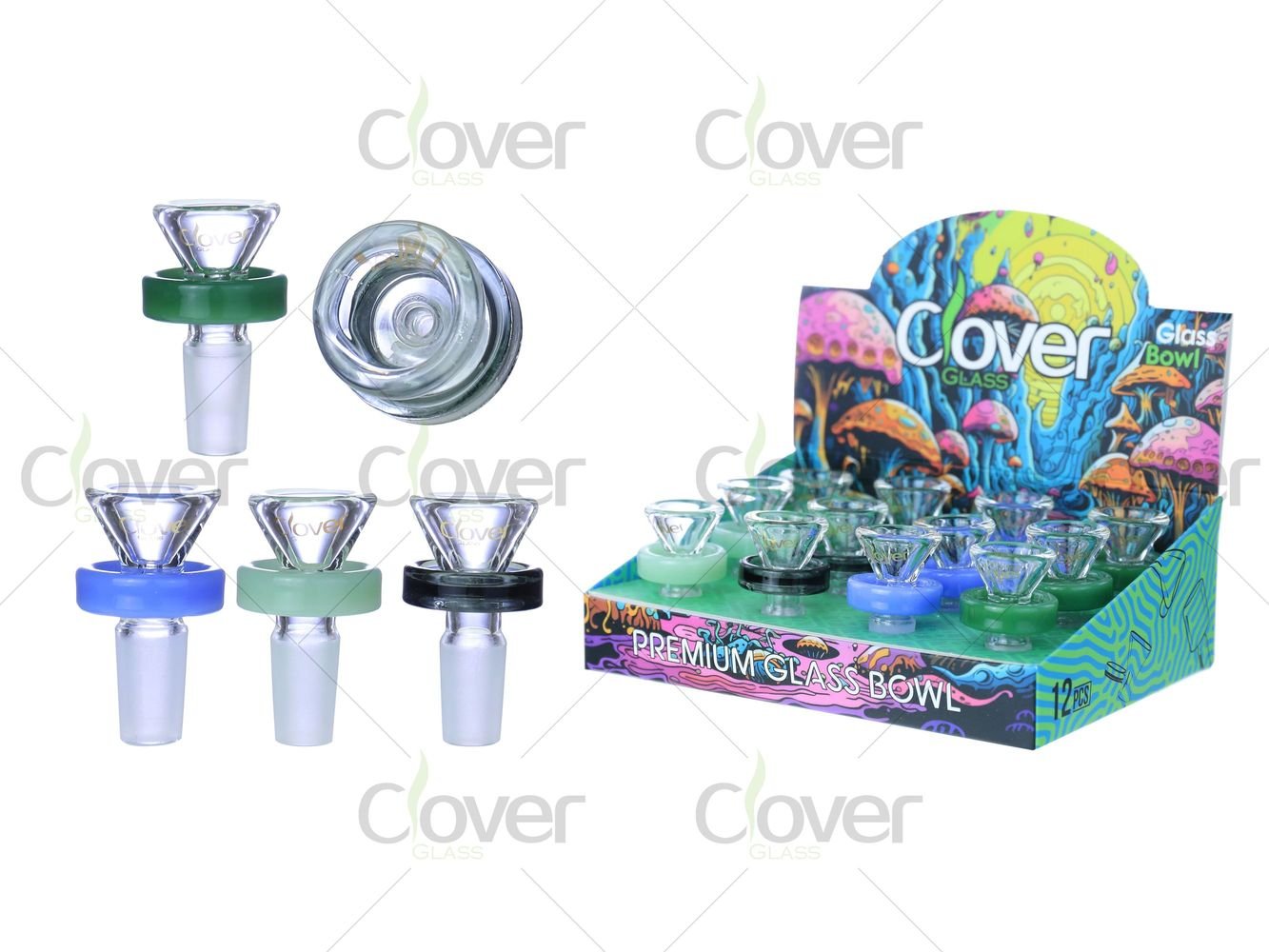
Here is the quick checklist I usually recommend before buying:
- [ ] Confirm joint size: 14mm or 18mm
- [ ] Confirm joint type: male or female
- [ ] Check wall thickness and handle shape
- [ ] Look at the airflow opening
- [ ] Make sure it is easy to remove and clean
- [ ] Avoid chips, rough edges, or weak joints
For beginners, the best bong bowl for beginners is usually not the fanciest one. I usually suggest a standard-size bowl with a simple shape, stable handle, and good glass thickness. In wholesale, that same rule often works too. Everyday replacement bowls tend to move more steadily than complicated novelty styles. That is why practical stock matters. Since we launched our online store on January 1, 2026, small buyers have also had a much easier way to test basic accessories online before moving into larger wholesale orders.
What buyers often overlook
A lot of people ask me how to choose a bong bowl, but the real mistake is focusing too much on color and too little on function. I would rather buy a clean, durable borosilicate glass bowl with the right fit than a highly decorative piece that creates returns. For stores, that also means lower friction after the sale. For brand owners, it means a better base if they later want custom packaging or OEM samples.
3. How to Keep a Bong Bowl Clean and Functional
To keep a bong bowl functional, I remove residue early, clean on a regular schedule, avoid rough handling, and replace damaged parts before they become bigger problems.
I cannot give instructions on using drug paraphernalia, but I can absolutely talk about safe maintenance. In my experience, many complaints about airflow or harsh performance are really maintenance issues. The bowl may still look acceptable from a distance, but inside, buildup is already changing how it performs.
A clogged bong bowl usually starts as a small issue. A little residue collects around the opening. Then more sticks to the inner wall. Over time, airflow becomes less open, cleaning becomes harder, and people start using more force than they should. That is where breakage risk goes up. I have seen customers push tools too aggressively into a dirty bowl and damage the glass more during cleaning than during normal use.
My rule is simple. Clean before the buildup becomes stubborn. Let the bowl cool fully before you do anything. Avoid sudden temperature changes. Avoid aggressive scraping. A patient cleaning routine protects both performance and glass life. That is especially important with a borosilicate glass bowl because even good glass still deserves proper care.
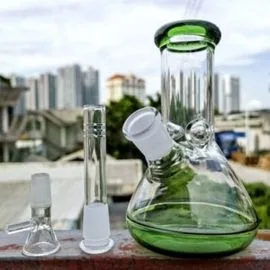
A simple maintenance rhythm looks like this:
Cool fully → Remove loose residue → Rinse gently → Deep clean on schedule → Inspect for chips or cracksThat routine is not complicated, but it works. It helps maintain airflow, makes cleaning easier, and reduces avoidable damage. It also helps you spot a cracked bong bowl early. If a bowl shows chips, hairline cracks, a damaged joint, or a roughened opening, I usually recommend replacement rather than trying to keep it in rotation.
One customer once sent me photos of a bowl that “just needed cleaning.” The photos told a different story. There was a clear crack near the joint and visible wear on the rim. My team explained that cleaning would not solve a structural problem. That is where after-sales support matters. In our business, we use a clear photo-to-credit process for verified issues, which makes it much easier for wholesale buyers to move forward without long arguments.
How often should you clean a bong bowl?
That depends on use frequency, but in general, earlier is better. If you wait until the bowl looks heavily coated, the cleaning job becomes harder and the airflow problem becomes more noticeable. People searching how to clean a bong bowl often want a perfect schedule, but I think a better rule is visual and practical. Clean it before airflow drops and before residue hardens.
4. Should You Choose a Larger or Smaller Bong Bowl?
A smaller bong bowl is usually easier to manage, easier to clean, and more practical for daily replacement. A larger bowl can work well, but only if fit, balance, and glass quality are also right.
When buyers compare sizes, they often assume bigger means better. I do not think that is always true. Bowl size affects fit, airflow behavior, cleaning effort, and replacement convenience. In real use, the smartest choice is usually the one that matches the setup and the user’s habits, not the one that simply looks bigger or more impressive.
A smaller bowl often feels simpler and more controlled. It is easier to inspect. It is easier to clean. It is often easier to restock. That is why I usually suggest standard sizes for first-time buyers and for stores building a reliable accessories section. A larger bowl can still make sense in the right setup, but it needs good balance and a quality joint. If the structure is weak or the shape is awkward, the size becomes more of a burden than a benefit.
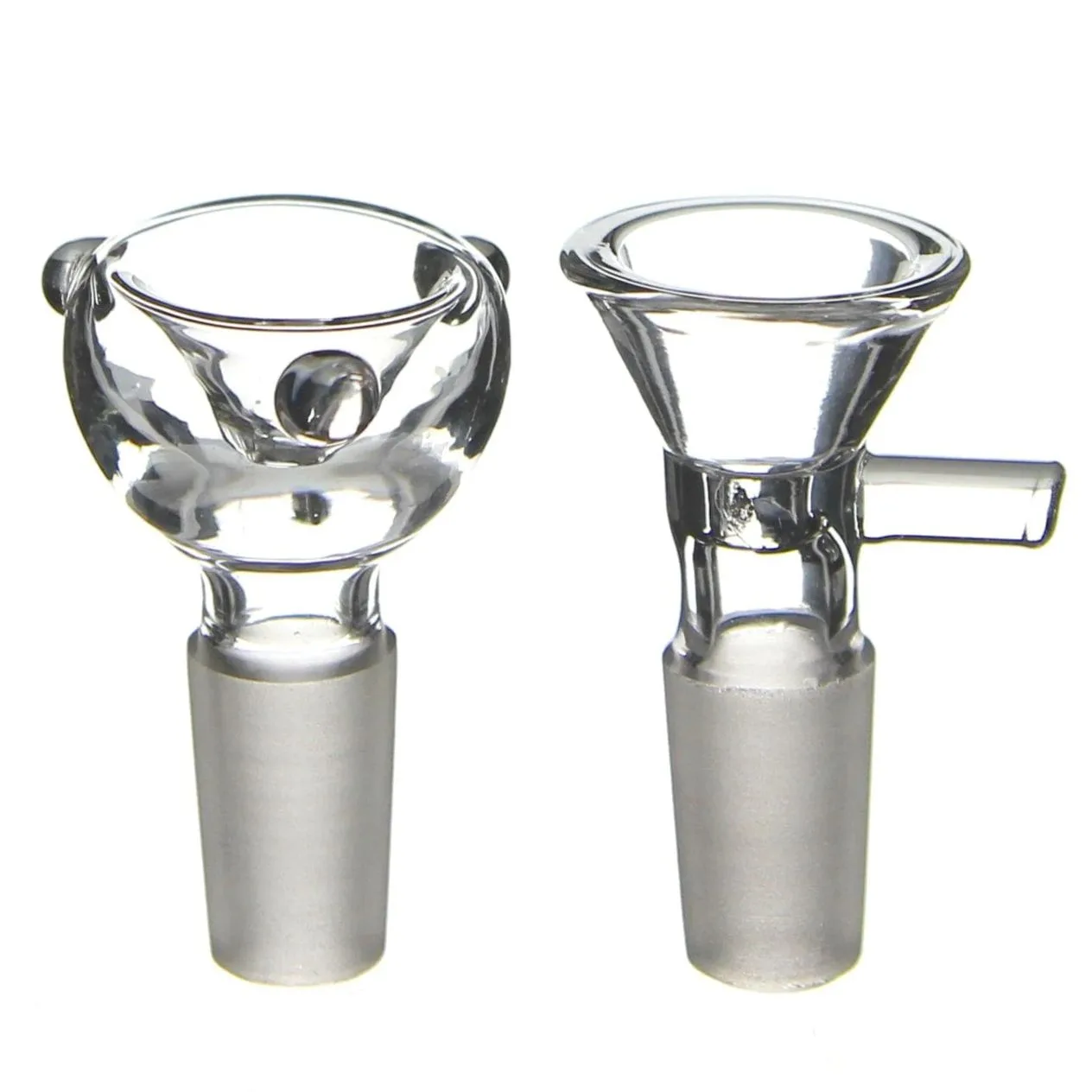
Here is a practical comparison:
| Factor | Smaller Bowl | Larger Bowl |
|---|---|---|
| Cleaning ease | Easier | More area to clean |
| Daily handling | Easier | Depends on shape |
| Replacement convenience | High | Medium |
| Common fit options | More common | Varies more |
| Best for | Everyday users | Preference-based users |
For most consumers, a standard bong bowl size is the safest place to start. For smoke shops and wholesalers, standard sizing also reduces confusion and returns. That matters in real business. At CloverGlass, we carry a wide range of accessories, but I still believe dependable basics win over time. When a buyer later wants a custom bowl line, our OEM timeline of around 20–25 days gives enough room to focus on the details that actually matter, like fit, finish, packaging, and repeat usability.
The best size for beginners
If someone asks me for the best bong bowl for beginners, I usually steer them toward a standard 14mm option with a basic shape and good grip. That combination is easy to understand, easy to replace, and easy to maintain. It also makes future replacement simpler, whether the buyer orders online or scales up into wholesale later.
5. Common Mistakes When Choosing or Maintaining a Bong Bowl
The most common bong bowl problems come from wrong fit, poor cleaning habits, thin low-grade glass, and ignoring early signs of damage. Most of these issues are avoidable.
In my experience, bowl issues are usually predictable. They come from a few repeated mistakes that show up again and again in both B2C and wholesale orders. The first mistake is buying the wrong size or the wrong joint type. A beautiful bowl is still useless if it does not fit properly. The second mistake is waiting too long to clean it. The third is assuming all glass quality is basically the same.
Cheap thin bowls can look acceptable in photos, but they often create trouble later. The joint may feel sloppy. The handle may feel weak. The opening may not be shaped well. That leads to airflow complaints, breakage, and more frequent replacement. I would rather pay attention to structure first and visual style second. That is the more practical long-term choice.
Another mistake is mishandling the bowl during cleaning. Hot glass and sudden temperature change do not mix well. Sharp tools and impatience are also a bad combination. If the bowl becomes difficult to clean, that usually means it should have been cleaned earlier. Good maintenance is easier than rescue cleaning.
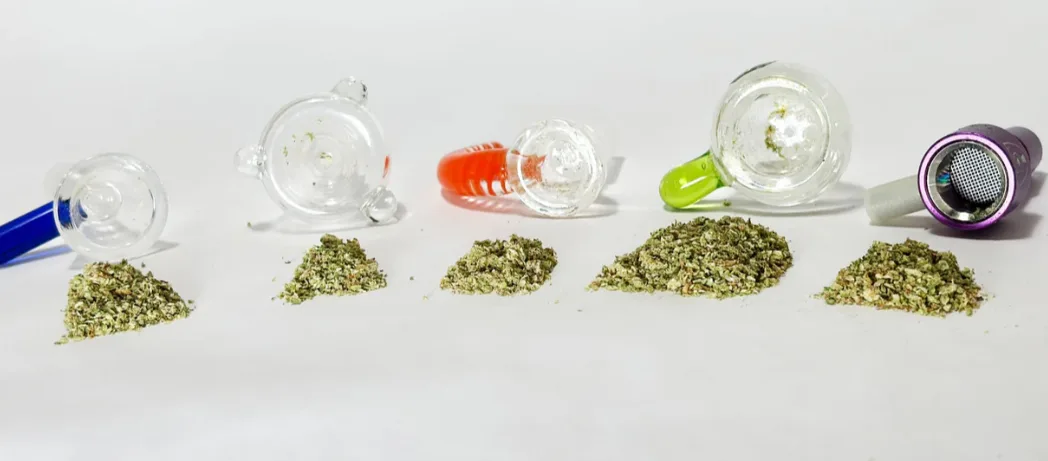
I also think buyers underestimate the importance of after-sales support. In wholesale, problems happen. A shipment gets damaged. A part shows a defect. A finish is not up to standard. What matters then is how the supplier responds. Our photo-to-credit workflow exists because stores and distributors need practical support, not long delays. For end buyers, the same principle matters. Clear support builds confidence in reordering.
Mistakes I see most often
- [ ] Wrong 14mm or 18mm fit
- [ ] Wrong male or female joint type
- [ ] Cleaning too late
- [ ] Using too much force during cleaning
- [ ] Ignoring small cracks or chipped rims
- [ ] Choosing style over durability
These may sound simple, but they explain a big share of common bong bowl problems. If you avoid them, you usually get better airflow, longer bowl life, and fewer frustrations overall.
6. Tips to Improve Airflow and Make a Bong Bowl Last Longer
If I want to improve bong bowl airflow, I focus on clean openings, correct fit, stable glass quality, and timely replacement. Better airflow usually starts with better maintenance.
Many readers search how to improve bong bowl airflow as if there is one magic fix. In my experience, there usually is not. Airflow problems normally come from a combination of issues: poor fit, residue buildup, weak shaping, or damage around the opening. That is why I always start with the basics.
First, use a bowl that matches the joint correctly. Second, keep the opening clear. Third, do not keep using a bowl that is visibly chipped or cracked. Fourth, choose dependable material. A clean, well-made glass bong bowl with the right fit gives you a much better starting point than a decorative piece with poor construction. This is also why quality control matters so much. Good shaping, better wall thickness, and cleaner finishing reduce complaints later.
My airflow checklist is simple:
- [ ] Check the opening regularly
- [ ] Clean before buildup hardens
- [ ] Replace damaged bowls early
- [ ] Choose standard fit when possible
- [ ] Avoid weak thin glass
- [ ] Store bowls carefully to protect rims and handles
If you are wondering how to keep airflow in a bong bowl, the answer is really about consistency. Consistent fit. Consistent cleaning. Consistent glass quality. This is one reason our LA warehouse matters for US buyers. Replacement accessories are small, but when people need them, they usually want them fast. Local stock makes that easier. And for wholesale customers building a private-label accessories range, it also helps to have a supplier that understands both shelf value and real functional performance.
For businesses, the bowl category is underrated. It is not the loudest product category, but it is one of the most practical. Replacement parts create repeat purchases. Add-on accessories improve average order value. And when the product is supported by good QC, custom packaging, HD product images, and a realistic OEM schedule, it becomes much easier to build a dependable line around it.
Conclusion
A good bong bowl is more than a small accessory. It affects airflow, fit, cleaning effort, replacement frequency, and overall satisfaction. In my experience, the smartest buyers focus on compatibility, durability, and maintenance first. That is true for end consumers choosing a daily replacement bowl, and it is just as true for smoke shops, small wholesalers, and brand owners building a reliable accessories section.
If you want fewer issues, start with the basics. Choose the right size. Confirm male or female fit. Use good glass. Clean early. Replace damaged parts before they become bigger problems. That simple approach usually creates better airflow and better long-term value.
If you are sourcing for your store or brand, I am happy to help you narrow down the right replacement range, discuss custom packaging, or plan an OEM sample run. You can Get wholesale quote, Order online at https://cloverglasspipe.com/order-glass-smoking-products-online/, Request OEM samples, or Email Frank at Frank@CloverPipe.com. If you are in the US, you are also welcome to Visit LA warehouse and see how we manage practical stock for fast-moving accessory categories.
FAQ
Q1: What does a bong bowl do?
A bong bowl holds the material and directs airflow into the pipe. It also affects how easy the setup is to clean and maintain. Even though it looks like a small part, it has a big effect on daily performance and replacement needs.
Q2: How do I know which bong bowl size I need?
Check your joint size first. The most common options are 14mm and 18mm. Then check whether your setup needs a male or female bowl. If those details do not match, the bowl will not fit correctly and airflow will usually suffer.
Q3: What is the best bong bowl for beginners?
I usually recommend a standard 14mm glass bowl with a simple shape and a comfortable handle. It is easier to replace, easier to clean, and easier to understand than highly decorative or unusual shapes. Simple usually works better for first-time buyers.
Q4: How often should I clean a bong bowl?
I recommend cleaning it before residue hardens and before airflow becomes noticeably restricted. There is no perfect universal schedule because frequency depends on use, but earlier cleaning is almost always easier and safer than waiting too long.
Q5: Why does my bong bowl keep clogging?
A clogged bong bowl is usually caused by residue buildup around the opening or on the inner wall. Poor cleaning habits and very small openings can make the problem worse. Regular maintenance and a better-designed bowl usually reduce this issue.
Q6: Can I still use a cracked bong bowl?
I do not recommend it. A cracked bong bowl can weaken further during handling or cleaning, and the damage may spread over time. In most cases, replacement is the better option because it is safer, cleaner, and more reliable in daily use.
Q7: Is borosilicate glass better for a replacement bowl?
In most cases, yes. A borosilicate glass bowl is usually more dependable than cheap thin glass because it is easier to inspect, easier to clean, and better suited for repeated daily use. Material alone is not everything, but it matters a lot.
Q8: Should I choose a larger or smaller bowl?
For most people, a standard-size bowl is the most practical choice. Smaller bowls are often easier to handle and clean, while larger bowls can work well if the fit and glass quality are right. I usually suggest standard sizing first.
Q9: What should smoke shops look for in replacement bowls?
Smoke shops should focus on common sizes, reliable fit, durable glass, clean finish, and steady restock options. Everyday replacement bowls often sell more steadily than novelty pieces. Good after-sales support also matters because accessory issues need quick solutions.
Q10: Can I order replacement bowls from CloverGlass in small wholesale quantities?
Yes. Our online store allows retail ordering, and small wholesale buyers can unlock wholesale pricing at $1200+. We also support OEM samples, custom packaging, HD product images, and fast US fulfillment through our LA warehouse.