You've seen them everywhere — on TikTok, in your kids' hands, on office desks, and flying off store shelves. Squishy toys like NeeDoh, slime, and putty have become a global phenomenon. But are they actually good for stress relief, or are they just another passing fad?
Yes, squishy toys are effective stress relievers. Scientific research shows that squeezing a soft or medium-density stress ball activates brain regions associated with planning and emotional regulation[reference:0][reference:1]. This helps calm the nervous system, improve focus, and reduce feelings of overwhelm[reference:2][reference:3].
I'm Frank from CloverGlass. Over the years, I've seen how tactile experiences — whether it's squeezing a stress ball or handling a quality glass piece — can help people relax and focus. Today, I want to dive into the science behind squishy toys and explain why they work, who they help, and how to choose the right one.
Contents
- 1 What Are Squishy Toys?
- 2 The Science: Why Squishing Feels So Satisfying
- 3 Key Benefits of Squishy Toys for Stress Relief
- 4 Who Benefits Most from Squishy Toys?
- 5 Squishy Toys vs Other Fidgets: What's the Difference?
- 6 How to Choose the Right Squishy Toy for You
- 7 Potential Downsides to Watch Out For
- 8 FAQ
- 9 Conclusion + CTA
What Are Squishy Toys?
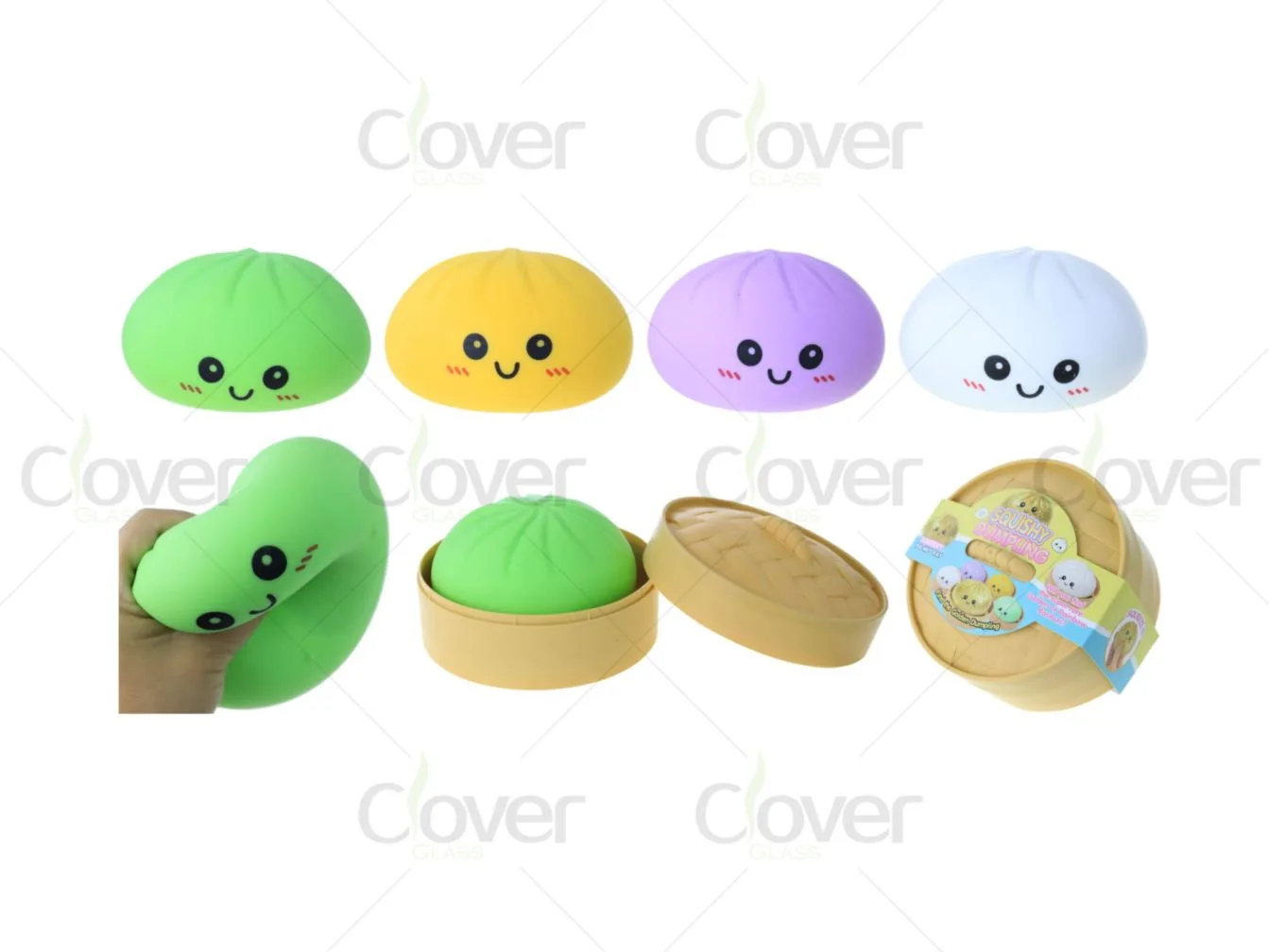
Squishy toys are soft, squeezable objects made from materials like polyurethane foam, rubber, or gel-filled polymers[reference:5]. They come in countless shapes — animals, fruits, food items, and abstract blobs — and are designed to be squashed, stretched, and squeezed repeatedly before slowly returning to their original shape.
The term "squishy" originated in Japan (where they're called kawaii squishy, meaning "cute squishy") and became widely available in the US around 2017. Since then, they've exploded in popularity worldwide.
Popular types of squishy toys:
- Slow-rising foam squishies — made from polyurethane foam that slowly bounces back
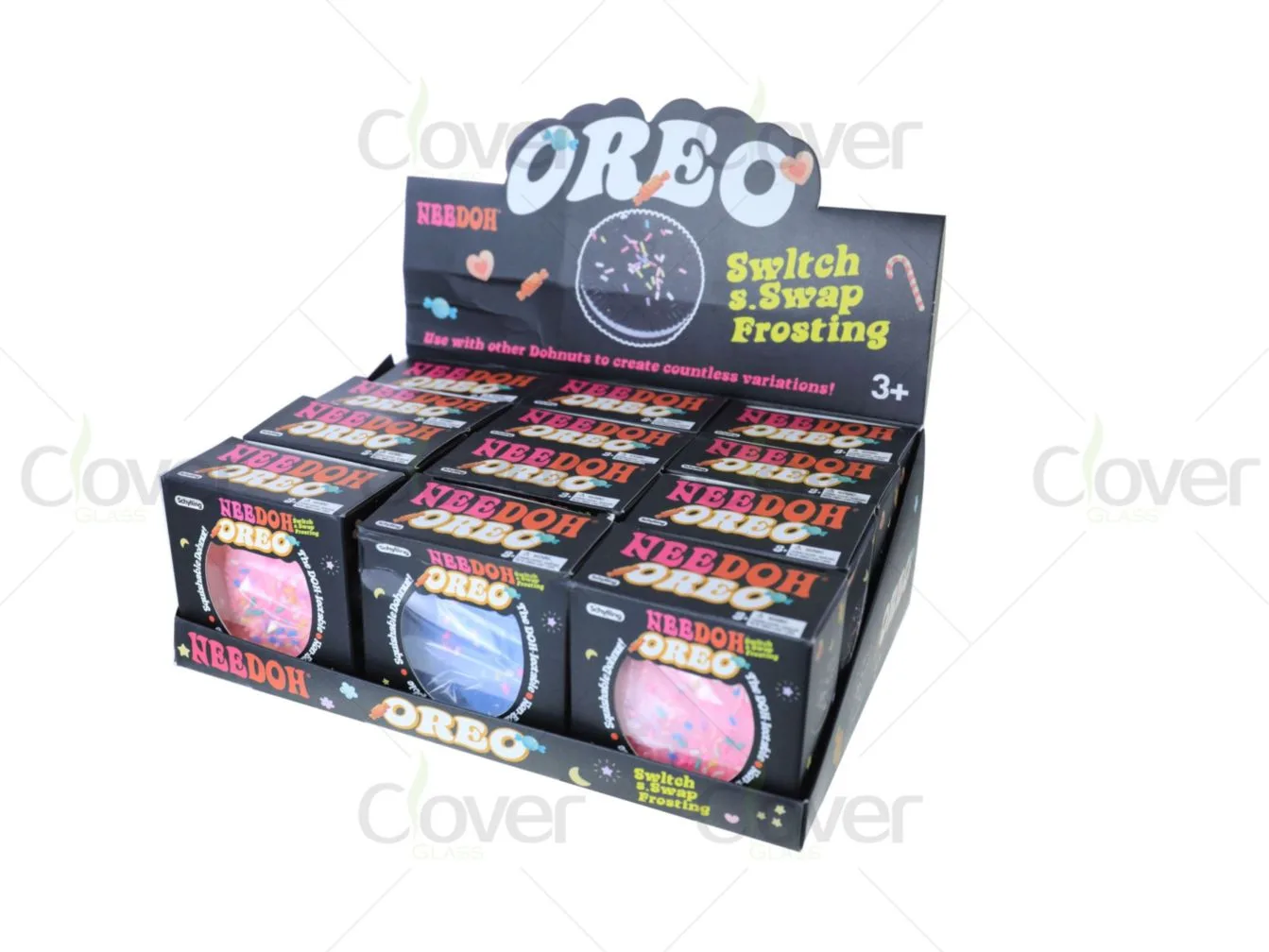
- Gel-filled squishies — like NeeDoh, filled with a non-Newtonian fluid or gel[reference:10]
- Putty and slime — stretchy, moldable materials
- Stress balls — classic rubber or foam balls for squeezing
Squishies are popular among both children and adults for the tactile pleasure they provide, which is widely reported to relieve stress. They can also enhance focus and help regulate emotions by serving as a pleasant distraction, making them useful for people with anxiety or ADHD[reference:13].
The Science: Why Squishing Feels So Satisfying
The satisfaction of squishing a soft toy isn't just in your head — it's in your brain. Neuroscience research shows that squeezing a soft or medium-density stress ball activates brain regions associated with planning and emotional regulation[reference:15]. This helps explain why people feel calm and focused after playing with squishy toys.
Let me break down the science in plain English.
Brain Activation
When you squeeze a squishy toy, your brain's prefrontal cortex — the area responsible for planning, decision-making, and emotional regulation — becomes activated[reference:17][reference:18]. This activation helps calm the nervous system and reduce stress responses.
The Fidgeting Connection
Our brains are wired to want our hands to fidget and tinker, even during sedentary activities like reading or working[reference:19]. Squishy toys give restless hands something productive to do, which can prevent less accepted behaviors like nail-biting or skin-picking[reference:21].
Sensory Input and Regulation
Squishy toys provide deep pressure tactile input — a type of sensory feedback that helps regulate the nervous system[reference:23]. When children and youth are feeling anxious, using their hands to squeeze or manipulate a fidget toy can help calm their nervous system[reference:24][reference:25].
The ASMR Effect
For some people, squishy toys trigger a response similar to ASMR (Auto-Sensory Meridian Response) — a tingling sensation that promotes relaxation. This is why many people find watching squishy videos calming, especially before bed.
Social Proof and Viral Appeal
Part of the popularity comes from social proof — when we see others enjoying something, we're more likely to want to try it ourselves. This helps explain why squishies have gone viral on platforms like TikTok, with over 300,000 videos dedicated to NeeDoh alone.
Key Benefits of Squishy Toys for Stress Relief
Squishy toys offer a range of benefits beyond just stress relief. They can improve focus, reduce anxiety, strengthen hand muscles, and provide sensory regulation for people with ADHD, autism, or high stress levels[reference:29][reference:30].
Here's what the research and experts say:
1. Stress and Anxiety Reduction
Squishy toys are effective tools for stress relief and emotional regulation[reference:31]. They provide a portable, low-mess way to manage overstimulation and improve concentration[reference:32].
How it works:
- Squeezing releases physical tension
- The tactile input distracts from anxious thoughts
- Repetitive motion has a calming, meditative effect
A study on squishy toy play therapy for preschool-aged children (3-6 years old) undergoing hospitalization showed a significant reduction in anxiety scores after play sessions[reference:33].
2. Improved Focus and Concentration
Squishy toys can help people concentrate on tasks more easily[reference:34][reference:35]. Scientific research has shown that playing with squishies can activate parts of the brain that help us focus on a job.
Who benefits:
- Students studying or doing homework
- Professionals working at desks
- Anyone who needs to stay focused during long tasks
3. Sensory Regulation
For people with sensory processing differences, squishy toys provide calming tactile input[reference:37][reference:38]. Rhythmic kneading releases tension, helps focus attention, and gives restless hands something to do[reference:39].
Benefits for neurodivergent individuals:
- Helps with ADHD focus[reference:40]
- Supports autism sensory needs[reference:42][reference:43]
- Reduces feelings of overwhelm[reference:44]
4. Physical Benefits
Squishy toys aren't just good for your mind — they're good for your hands too.
- Hand strengthening: Squeezing helps strengthen hand muscles[reference:45]
- Improved circulation: Squishing promotes blood circulation in the hands[reference:46]
- Rehabilitation: Useful for hand therapy and rehabilitation exercises[reference:47]
5. Emotional Regulation
Squishy toys help children and adults center their emotions during difficult or stressful situations[reference:48]. They facilitate a process in which people can develop emotional regulation skills for a lifetime[reference:49].
Expert insight: "When children and youth are feeling anxious, using their hands to squeeze or manipulate the fidget can help them calm their nervous system." — Maria Greenhalf, Registered Psychotherapist[reference:50]
Who Benefits Most from Squishy Toys?
Squishy toys benefit a wide range of people — from children with anxiety to adults with high-stress jobs. They're particularly helpful for neurodivergent individuals, students, office workers, and anyone who needs a quick way to calm down and refocus.
Children and Teens
Kids are the primary users of squishy toys, and for good reason. The toys help them:
- Manage anxiety and stress[reference:51]
- Improve focus in school[reference:52]
- Develop emotional regulation skills[reference:53]
- Calm down during overwhelming situations[reference:54]
Adults
Adults have embraced squishy toys too — and not just for nostalgia.
- Office workers: Keep one on your desk for stress relief during busy days
- Students: Use during study sessions to maintain focus
- Therapists: Use as tools in counseling sessions
- Anyone with anxiety: Quick, portable stress relief anytime, anywhere
Neurodivergent Individuals
Squishy toys are especially beneficial for people with:
- ADHD: Helps with focus and attention[reference:55]
- Autism: Provides calming sensory input[reference:57][reference:58]
- Anxiety disorders: Reduces feelings of overwhelm[reference:59]
- OCD: Provides a healthy outlet for repetitive behaviors[reference:61]
Kinesthetic Learners
Research has shown that kinesthetic learners (people who learn best through touch and movement) used stress balls more consistently and showed greater increases in attention spans compared to other learners[reference:62].
Squishy Toys vs Other Fidgets: What's the Difference?
| Feature | Squishy Toys | Fidget Spinners | Stress Balls | Putty/Slime |
|---|---|---|---|---|
| Texture | Soft, slow-rising | Hard, spinning | Firm, squeezable | Stretchy, moldable |
| Sensory input | Deep pressure | Visual/motion | Pressure | Tactile/moldable |
| Best for | Calming, focus | Energy release | Stress relief | Sensory play |
| Noise level | Silent | Can be noisy | Silent | Silent |
| Portability | High | High | High | Medium (messy) |
| Durability | Good | Excellent | Good | Variable |
Why squishy toys stand out:
Unlike fidget spinners, which some research suggests may interfere with learning[reference:63], squishy toys provide calming tactile input without visual distraction. They're silent, portable, and work for a wider range of people.
How to Choose the Right Squishy Toy for You
Choosing the right squishy toy depends on your personal preference, sensory sensitivity, and what you want to achieve[reference:64]. Some people prefer soft and slow-rising; others like firmer textures with a satisfying crunch.
Here's a quick guide:
By Texture Preference
| Desired feel | Recommended type | Best for |
|---|---|---|
| Soft and slow-rising | Polyurethane foam squishy | Calming, sensory play |
| Firm and squeezable | Gel-filled stress ball[reference:67] | Hand strengthening, stress relief |
| Stretchy and moldable | Putty or slime[reference:68] | Sensory exploration, focus |
| Crunchy and firm | Rice-filled or bead-filled ball | ASMR lovers, hand therapy |
| Smooth and doughy | Cornstarch-filled ball | Classic squish, slow-rising feel |
By Use Case
- For desk work / studying: Choose a small, silent squishy that fits in your palm
- For anxiety relief: Go for a soft, slow-rising foam squishy — the gentle return motion is calming
- For hand therapy: Choose a firmer stress ball that provides resistance
- For kids: Pick fun shapes (animals, fruits) that are engaging and non-toxic
- For travel: Look for compact, durable options that won't leak or break
What to Look For
- ✅ Non-toxic materials — especially important for children[reference:70]
- ✅ Durable construction — won't break or leak easily
- ✅ Slow-rising — more satisfying and longer-lasting
- ✅ Pleasant texture — you'll want to keep squishing it
- ✅ Appropriate size — fits comfortably in your hand
Potential Downsides to Watch Out For
While squishy toys are generally safe and beneficial, there are some potential downsides to be aware of: not everyone enjoys the sensation, some low-quality products contain harmful chemicals, and they're not a replacement for professional mental health treatment[reference:71].
1. Not Everyone Likes the Sensation
Not everyone enjoys how squishy objects make them feel. Some people find the sensation unpleasant or even painful[reference:74]. One study found that even from an early age, some people find more satisfaction from a crunchy texture than a soft one.
What to do: If you don't enjoy squishy toys, try other fidget options like putty, stress balls, or textured objects.
2. Chemical Safety Concerns
Some low-quality or counterfeit squishy toys contain harmful substances. The Danish Environmental Protection Agency tested 12 squishies and found that they all released unacceptable levels of harmful chemicals like dimethylformamide.
What to do:
- Buy from reputable brands
- Check for safety certifications
- Avoid products with strong chemical odors
- Be cautious of extremely cheap imports
3. Not a Replacement for Professional Help
Fidget toys support emotional regulation work, but they are not the work itself[reference:78]. They are tools, not cures.
Important: "It is a case-by-case scenario," said psychotherapist Maria Greenhalf. "Fidget toys are not effective for everyone managing anxiety, and therapy remains the most effective resource[reference:79]."
4. Limited Research
While there's promising evidence, some researchers note that there is no reliable research showing that squishy toys benefit (or harm) students[reference:80]. Most of the evidence is anecdotal or based on related research on stress balls and fidgeting.
The bottom line: Squishy toys work for many people, but they're not a guaranteed solution for everyone.
FAQ
Q1: Are squishy toys actually good for stress relief?
A: Yes — scientific research shows that squeezing a soft or medium-density stress ball activates brain regions associated with emotional regulation, helping people feel calm and focused[reference:81].
Q2: How do squishy toys help with anxiety?
A: Squishy toys provide calming tactile input that helps regulate the nervous system[reference:83]. When people feel anxious, squeezing a fidget toy can help calm their nervous system[reference:84].
Q3: Can squishy toys help with ADHD?
A: Yes — squishy toys can enhance focus and help regulate emotions by serving as a pleasant distraction, making them useful for people with ADHD[reference:85].
Q4: Are squishy toys safe for kids?
A: Generally yes, but buy from reputable brands. Some low-quality squishies contain harmful chemicals. Check for safety certifications and avoid products with strong chemical odors.
Q5: How long do squishy toys last?
A: With proper care, a quality squishy can last months to years. Avoid excessive stretching, keep away from sharp objects, and clean with a damp cloth.
Q6: Why are squishy toys so popular on social media?
A: Squishy toys trigger ASMR-like responses and provide satisfying visual content. Social proof — seeing others enjoy them — also drives popularity.
Q7: What's the difference between a squishy and a stress ball?
A: Stress balls are typically round and focused on hand exercises. Squishies come in many shapes and are more about sensory satisfaction and stress relief.
Q8: Can squishy toys help with focus at work or school?
A: Yes — studies show that kinesthetic learners who used stress balls showed increased attention spans[reference:91]. Squishy toys can help people concentrate on tasks more easily[reference:92].
Q9: Do squishy toys work for everyone?
A: No — not everyone enjoys the sensation, and some find it unpleasant[reference:94]. They're also not a replacement for professional mental health treatment[reference:95].
Q10: Where can I buy high-quality squishy toys?
A: Look for reputable brands like NeeDoh, Smooshy Mushy, or TabaSquishy. Avoid extremely cheap imports that may contain harmful chemicals.
Conclusion + CTA
Squishy toys are more than just a passing trend — they're backed by neuroscience and embraced by therapists, teachers, and everyday people looking for stress relief. The simple act of squeezing a soft object can calm your nervous system, improve your focus, and help you regulate your emotions.
For personal use: Find the texture and shape that works best for you. Keep one on your desk, in your bag, or on your nightstand for those moments when stress builds up.
For parents and teachers: Squishy toys can be valuable tools for helping children manage anxiety and improve focus[reference:98]. Just be sure to choose high-quality, non-toxic options.
For smoke shop owners: Stress toys and fidget items are popular add-on sales. Consider stocking sensory products alongside your core offerings — customers appreciate the variety and the stress-relief benefits.
👉 Need wholesale glass pipes, bubblers, or accessories? CloverGlass offers factory-direct pricing, low MOQs, and fast LA warehouse shipping.
Get wholesale pricing: Contact our B2B team
Order online: https://cloverglasspipe.com/wholesale-squishy-stress-toys/
Email Frank directly: Fr***@********pe.com