You’ve invested in wholesale squishy stress toys. They’re flying off the shelf, and your customers keep coming back. But soon you start hearing the same question: “How do I clean this thing without breaking it?” Soap and water? Alcohol? Dishwasher? If you give the wrong advice, you could end up with returns, complaints, and ruined inventory.
The safe way to clean a squishy stress toy is simple: use mild dish soap, lukewarm water, and a soft cloth. Wipe the surface gently, then air dry. Never soak, never use alcohol or bleach, and never put squishy toys in the dishwasher or washing machine. For slow‑rise foam and gel‑filled squishies, harsh chemicals will break down the material and ruin the texture.
I’m Frank from CloverGlass. I’ve sold thousands of squishy cat, axolotl, duck, and cube stress toys to smoke shops, gift stores, and corporate buyers. I’ve also seen what happens when customers try to “deep clean” them the wrong way. This guide will help you keep your squishy stress toys clean, safe, and long‑lasting – and it’ll give you the right answers when your customers ask.
Contents
- 1 Why Cleaning Squishy Stress Toys Is Different
- 2 What You’ll Need
- 3 Step‑by‑Step: How to Clean a Squishy Stress Toy Safely
- 4 How to Clean Different Types of Squishy Toys (Foam vs Gel vs TPR)
- 5 What NOT to Do – Common Mistakes That Ruin Squishies
- 6 How to Remove Sticky Residue or Stains
- 7 How Often Should You Clean a Squishy Stress Toy?
- 8 Storage Tips to Keep Squishies Cleaner Longer
- 9 Pro Advice for Shop Owners (Reducing Returns)
- 10 FAQ
- 11 Conclusion + CTA
Why Cleaning Squishy Stress Toys Is Different
Unlike glass or metal, squishy stress toys are made from soft, porous materials – polyurethane foam, TPR (thermoplastic rubber), or gel. These materials can absorb liquids, react to heat, and break down when exposed to strong chemicals.
Common cleaning mistakes:
- Soaking in water – water gets trapped inside, leading to mold or material breakdown
- Using isopropyl alcohol – alcohol dissolves the surface and ruins the slow‑rise property
- Boiling or hot water – heat permanently deforms the shape
- Dishwasher or washing machine – violent agitation tears the material
The goal: Remove surface dirt, oils, and germs without soaking or scrubbing hard.
What You’ll Need
| Item | Purpose |
|---|---|
| Lukewarm water | The only safe water temperature – never hot. |
| Mild dish soap | Gentle enough for soft foam and gel. |
| Soft cloth (microfiber or cotton) | No abrasives – no paper towels (they leave lint). |
| Soft‑bristled toothbrush (optional) | For textured surfaces or stubborn spots. |
| Clean towel | For air drying. |
CloverGlass tip: We include a small care card with every wholesale order. Customers who know how to clean their squishies are repeat customers.
Step‑by‑Step: How to Clean a Squishy Stress Toy Safely
Step 1 – Prepare the cleaning solution
Mix a few drops of mild dish soap into a bowl of lukewarm water. Do not use hot water.
Step 2 – Wipe, don’t soak
Dip your soft cloth into the soapy water, wring it out well (damp, not dripping). Gently wipe the entire surface of the squishy stress toy.
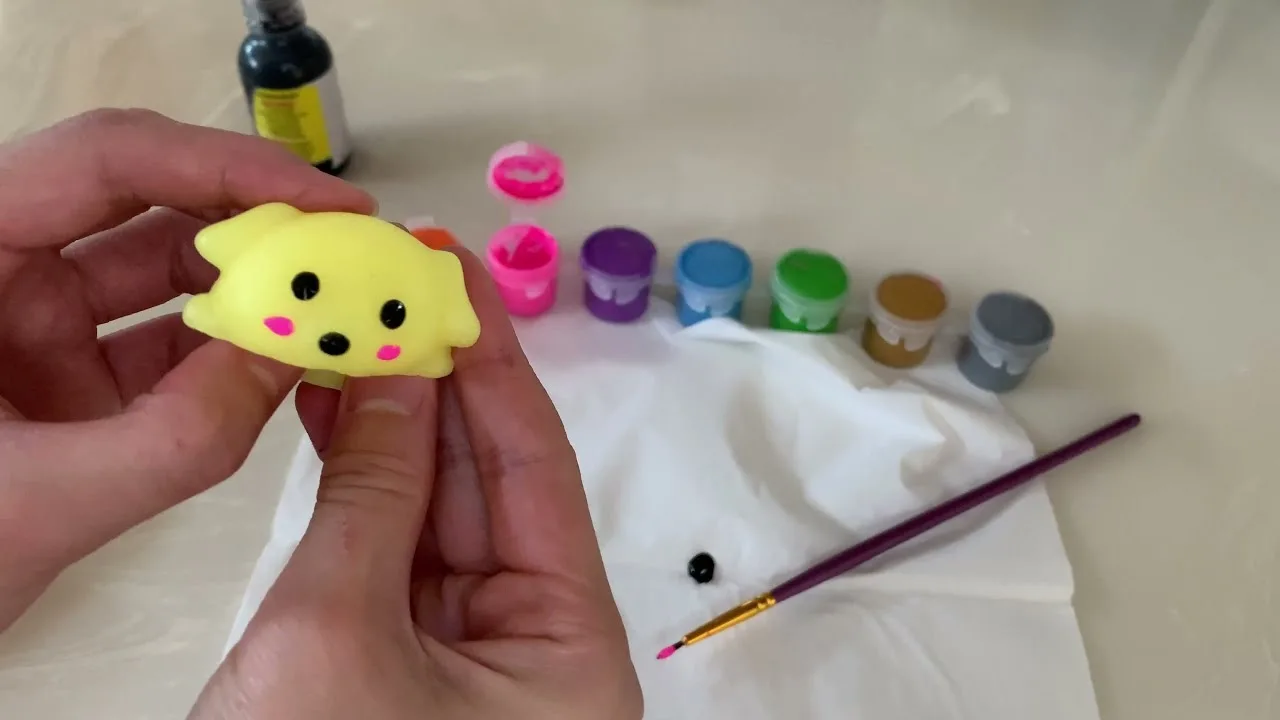
For textured areas (like animal faces or cube edges), use a soft‑bristled toothbrush dipped in the same solution. Brush lightly.
Step 3 – Rinse with a clean damp cloth
Use a second cloth dampened with plain lukewarm water to wipe away any soap residue. Do not run the squishy under a faucet.
Step 4 – Air dry completely
Place the squishy stress toy on a clean towel in a well‑ventilated area. Let it air dry for several hours. Do not use a hair dryer, heater, or direct sunlight – heat can warp the material.
Step 5 – Check for dampness
Before storing or using, squeeze gently to feel for any remaining moisture inside. If it feels damp, let it dry longer.
Pro tip: For slow‑rise foam squishies, avoid squeezing while wet – the foam can tear.
How to Clean Different Types of Squishy Toys (Foam vs Gel vs TPR)
| Type | Material | Cleaning Method | Special Care |
|---|---|---|---|
| Slow‑rise foam | Polyurethane foam | Wipe with damp soapy cloth; air dry | Never soak; avoid squeezing hard when wet. |
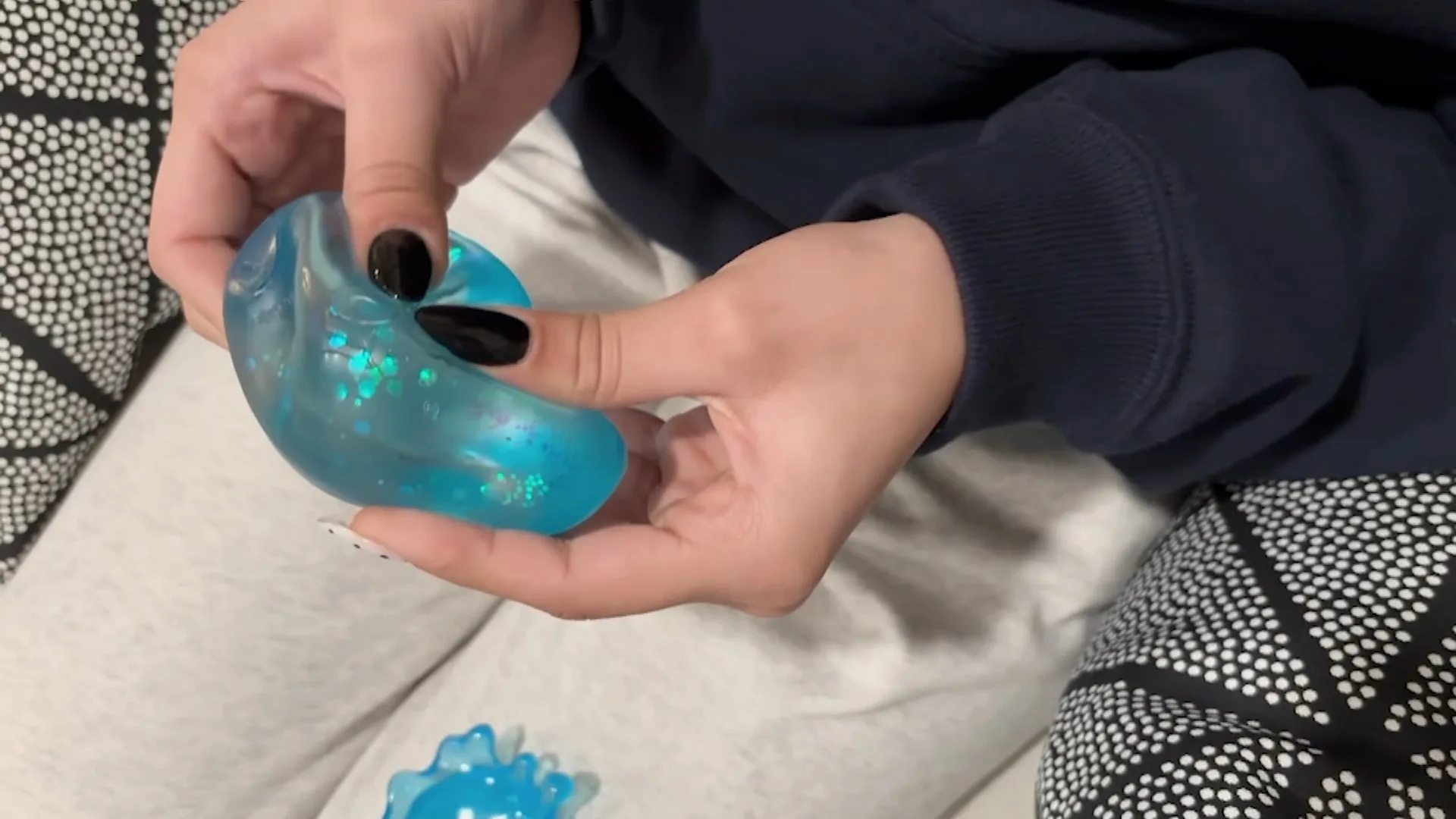
| Gel‑filled | Liquid gel inside thin skin | Wipe only – no pressure | Do not submerge; punctures will leak. |
| TPR (firm) | Thermoplastic rubber | Can use slightly more water; still wipe, don’t soak | More durable, but still avoid alcohol. |
| Jelly squishy | Gel with jiggle | Very gentle wipe | Extremely delicate; surface cleaning only. |
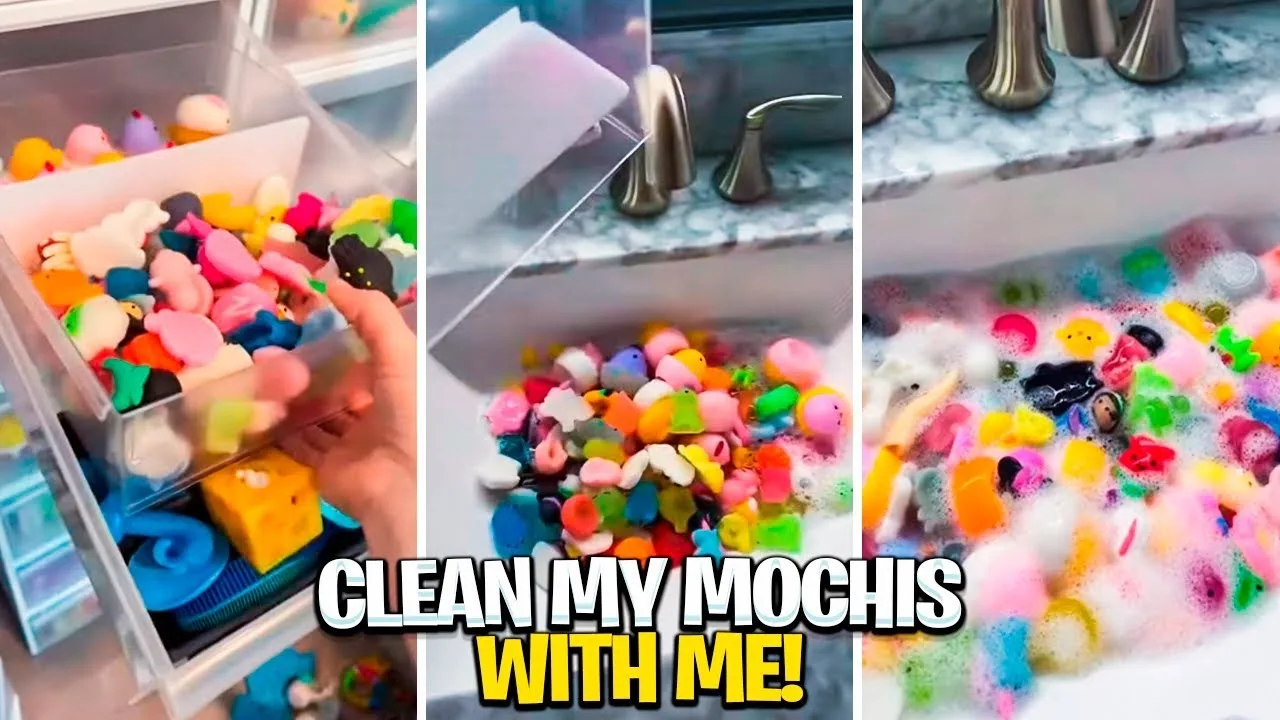
For squishy cats, ducks, axolotls, and cubes (our top‑selling designs), all are made from slow‑rise foam unless noted. The wipe‑only method works perfectly.
What NOT to Do – Common Mistakes That Ruin Squishies
| Mistake | Why It’s Bad | Result |
|---|---|---|
| Soaking in water | Water trapped inside leads to mold or foam breakdown | Discoloration, smell, ruined texture |
| Isopropyl alcohol | Dissolves the surface; removes “slow‑rise” property | Becomes sticky, loses squish |
| Boiling water | Heat permanently deforms foam | Shrinks, warps, melts |
| Dishwasher / washing machine | Agitation tears the material | Rips, abrasions |
| Bleach or harsh cleaners | Chemical reaction destroys the polymer | Disintegration |
| Microwave or oven | Fire hazard; foam melts | Complete destruction |
Customer story: A shop owner told me a customer soaked her squishy cat in rubbing alcohol to “disinfect” it. The cat came out sticky, misshapen, and permanently ruined. The customer blamed the product. Now we include care cards.
How to Remove Sticky Residue or Stains
If a squishy stress toy gets stained (e.g., from ink, food, or dirt):
- Dab (don’t rub) the stain with a damp soapy cloth.
- If the stain persists, make a paste of baking soda and water. Apply gently with a soft toothbrush.
- Wipe off with a clean damp cloth.
- Air dry.
Never use stain removers, bleach, or alcohol.
For sticky residue (like from stickers or tape), use a tiny amount of cooking oil on a cloth, wipe gently, then clean with soapy water.
How Often Should You Clean a Squishy Stress Toy?
| Usage Level | Recommended Cleaning |
|---|---|
| Daily desk use | Wipe once a week |
| Occasional use | Once a month |
| Visible dirt or oils | Immediately |
| Shared use (office, classroom) | After each shared use |
More frequent cleaning isn’t harmful as long as you use the gentle wipe method.
Storage Tips to Keep Squishies Cleaner Longer
- Keep away from dust – Store in a drawer or closed container.
- Avoid direct sunlight – UV rays can fade colors and degrade foam.
- Don’t stack heavy items on top – Pressure can deform slow‑rise foam.
- Separate from sticky items – Adhesives or tapes will leave residue.
- Wash hands before use – Oils from skin are the main cause of dirt.
For shops: display squishies in covered acrylic cases or rotate stock frequently to prevent dust buildup.
Pro Advice for Shop Owners (Reducing Returns)
If you sell wholesale squishy stress toys, you can drastically reduce returns and complaints by:
- Including a care card with every order – explain the wipe‑only method.
- Training your staff to answer “How do I clean this?” correctly.
- Displaying a small sign near your squishy display: “Clean with damp cloth only. No alcohol or soaking.”
- Stocking cleaning kits – soft cloths and small spray bottles with mild soap solution (great add‑on sale).
At CloverGlass, we provide custom care cards with wholesale orders. Customers who know how to care for their squishies are happy customers – and they buy again.
FAQ
Q1: Can I use baby wipes to clean a squishy stress toy?
A: Yes, if the wipes are alcohol‑free and fragrance‑free. Test on a small area first.
Q2: Can I wash a squishy stress toy in the sink with soap and water?
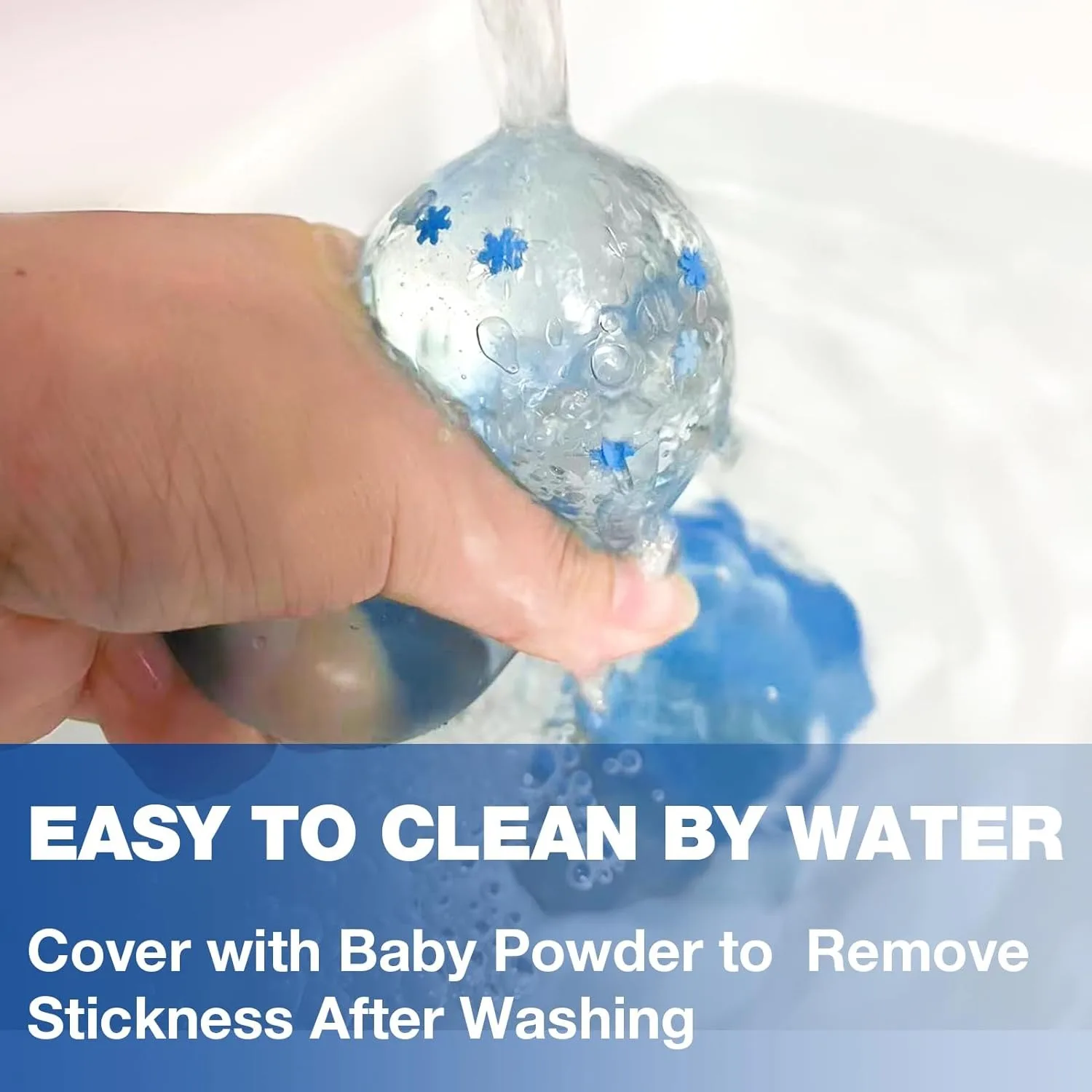
A: No. Running water can get inside. Wipe only.
Q3: My squishy cat feels sticky after cleaning – what did I do wrong?
A: You likely used alcohol or a harsh cleaner. Unfortunately, the damage is permanent. Replace the toy.
Q4: How do I clean a gel‑filled squishy stress ball?
A: Wipe gently with a barely damp cloth. Do not squeeze hard or submerge – the gel can leak.
Q5: Can I put squishy stress toys in the freezer to clean them?
A: No. Freezing can crack gel‑filled toys and damage foam.
Q6: My squishy cube got moldy – can I save it?
A: Mold means water got inside. Throw it away – it can’t be cleaned safely.
Q7: How do I disinfect a squishy stress toy without alcohol?
A: Use a mild soap solution. For antibacterial effect, add a drop of tea tree oil to the soapy water (test first).
Q8: Can I use a steam cleaner on squishy toys?
A: No – heat will ruin them.
Q9: How long do squishy stress toys last with proper cleaning?
A: 6‑12 months. With gentle use and wiping, some last over a year.
Q10: Where can I buy wholesale squishy stress toys that include care instructions?
A: CloverGlass provides care cards with every wholesale order. We also offer low MOQs and fast LA warehouse shipping.
Conclusion + CTA
Cleaning squishy stress toys is easy – if you do it right. Wipe with a damp, soapy cloth. Air dry. Never soak, never use alcohol, never apply heat. Follow these rules, and your squishy cat, axolotl, cube, or duck will stay soft, clean, and satisfying for months.
For personal users: Keep a squishy on your desk, wipe it weekly, and it’ll be your stress‑relief companion for a long time.
For shop owners: Add a care card to every squishy sale. Your customers will appreciate the guidance – and you’ll see fewer returns.
👉 Need wholesale squishy stress toys? CloverGlass offers the best‑selling designs: cats, axolotls, cubes, ducks, and jellies. Low MOQ, mix‑and‑match, fast LA shipping.
Get a quote: [Contact our B2B team]
Order online: [https://cloverglasspipe.com/order-glass-smoking-products-online/]
Email Frank: Fr***@********pe.com