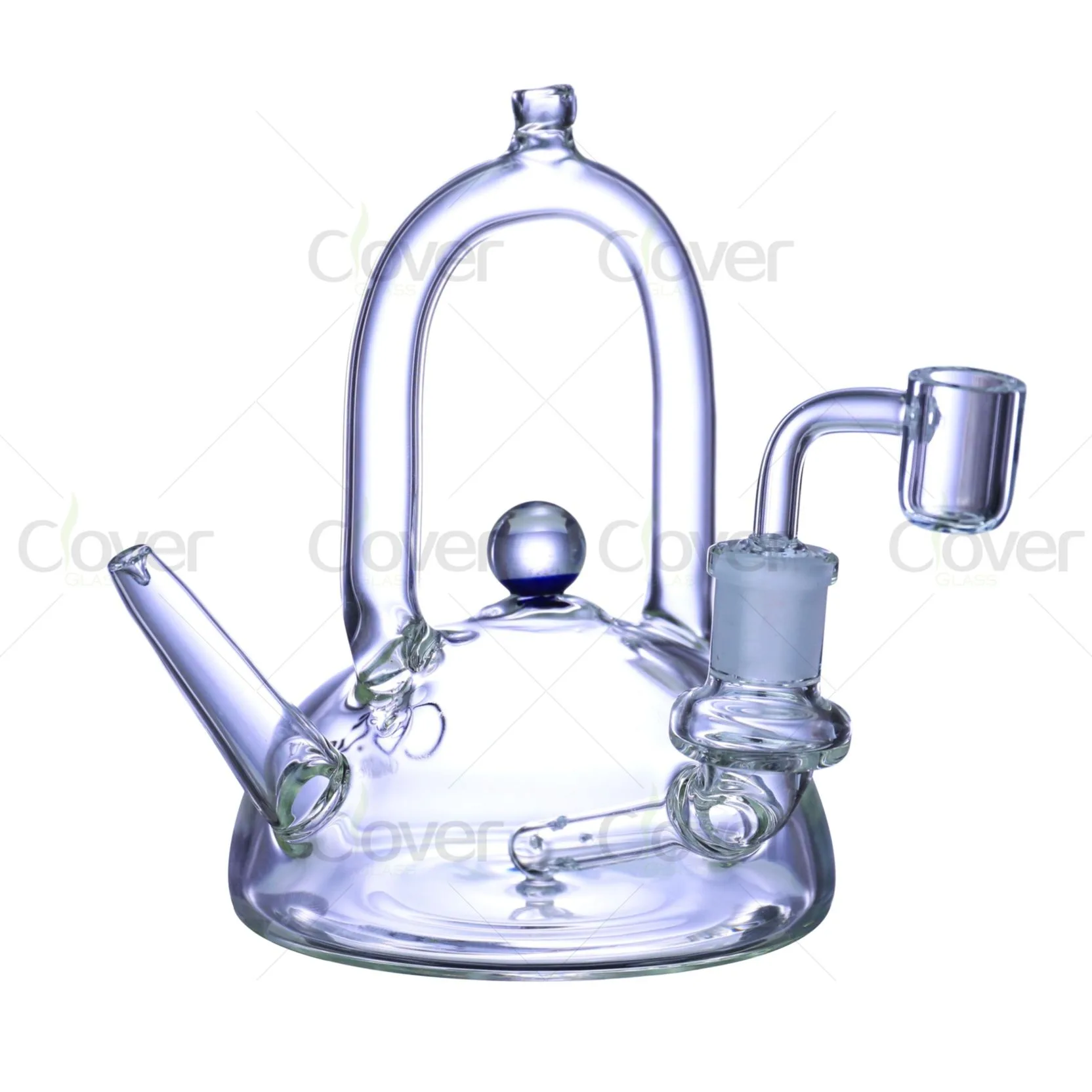
You’ve seen them in smoke shops – colorful, flexible, virtually unbreakable silicone pipes. They’re affordable, travel-friendly, and come in wild designs. But a question keeps nagging at you: are silicone pipes actually safe to smoke out of? Will they release toxic fumes when heated? Is silicone better or worse than glass for your lungs?
The short answer is yes – silicone pipes made from food-grade, platinum-cured silicone are safe to use at normal smoking temperatures. Food-grade silicone is non-toxic, BPA-free, and heat-resistant up to 500°F (260°C) – well above the temperature of smoke passing through a pipe.[reference:0][reference:1][reference:2] The key is quality: not all silicone is created equal. Cheap, unmarked silicone from unknown manufacturers may contain fillers or additives that can degrade over time.[reference:3]
I’m Frank from CloverGlass. Over the years, I’ve tested and sold thousands of silicone pipes. I’ve seen what happens when customers buy cheap knockoffs – and I’ve seen quality silicone pipes last for years. Let me break down everything you need to know about silicone pipe safety – so you can smoke with confidence.
Contents
- 1 What Is a Silicone Pipe?
- 2 What Is Food-Grade Silicone?
- 3 Are Silicone Pipes Safe to Smoke Out Of?
- 4 How Much Heat Can Silicone Handle?
- 5 Silicone vs Glass – Which Is Safer?
- 6 How to Tell If Your Silicone Pipe Is Safe
- 7 How to Clean and Maintain Silicone Pipes
- 8 Common Myths About Silicone Pipes
- 9 FAQ – Silicone Pipe Safety
- 10 Conclusion + CTA
What Is a Silicone Pipe?
A silicone pipe is a smoking device made from silicone – a synthetic polymer derived primarily from silica (sand) and oxygen, combined with carbon and hydrogen.[reference:4][reference:5]
Unlike traditional glass pipes, silicone pipes are:
- Virtually unbreakable – they bend, flex, and bounce back without shattering[reference:6]
- Lightweight and portable – perfect for travel, camping, or outdoor use[reference:7]
- Heat-resistant – can handle the temperature of smoke without degrading[reference:8]
- Easy to clean – non-stick surface resists residue buildup[reference:9]
- Affordable – generally 15–25% cheaper than comparable glass pipes[reference:10]
Most silicone pipes come with a glass or metal bowl, since silicone alone shouldn't hold a flame directly.[reference:11][reference:12] The silicone body handles the smoke – the bowl handles the heat.
What Is Food-Grade Silicone?
Not all silicone is the same. The safety of a silicone pipe depends entirely on the grade of silicone used.
Food-grade silicone is the industry standard for safe smoking devices. It complies with strict U.S. FDA standards for food contact under 21 CFR Part 177.2600[reference:13][reference:14]. This means it’s:
- Non-toxic – free from BPA, BPS, and harmful plasticizers[reference:15]
- Inert – does not react with substances it contacts[reference:16]
- Odorless and tasteless – won’t affect the flavor of your herb[reference:17]
- Heat-stable – withstands temperatures without degrading[reference:18]
- Durable – resists UV, ozone, and general aging[reference:19]
Platinum-cured silicone is considered the highest quality grade for food contact due to its enhanced purity, stability, and lower potential for chemical migration.[reference:20][reference:21]
The bottom line: If your silicone pipe is labeled “food-grade” or “platinum-cured”, it’s made from safe materials. If it’s unmarked or suspiciously cheap, it may contain fillers or additives that compromise safety.[reference:22]
Are Silicone Pipes Safe to Smoke Out Of?
Yes – silicone pipes made from food-grade silicone are safe to use at normal smoking temperatures.
Here’s why:
1. No toxic fumes at smoking temperatures
Food-grade silicone does not release harmful chemicals when exposed to the temperatures of smoke passing through a pipe.[reference:23][reference:24] Studies have shown that silicone is one of the safest materials to use for cooking or smoking due to its very high melting point.[reference:25]
2. Non-toxic and non-reactive
Silicone is made from silica and oxygen – natural minerals found in the earth’s crust.[reference:26] It does not contain BPA, phthalates, or other harmful plasticizers.[reference:27]
3. Used in food and medical applications
The same silicone used in pipes is used in baking molds, baby products, kitchen utensils, and medical devices[reference:28][reference:29]. If it’s safe enough for food and babies, it’s safe enough for smoke.
4. Low toxicity
Oral toxicity studies show that organic silicon polymers like silicone (polydimethylsiloxane, or PDMS) have low toxicity.[reference:30] Under normal smoking conditions, silicone does not release harmful substances.[reference:31]
The catch: The risk comes from cheap, unmarked silicone from unknown manufacturers. These may contain fillers, additives, or be improperly cured – which can release harmful substances when heated.[reference:32][reference:33]
How Much Heat Can Silicone Handle?
This is the most important question – and the answer is clear:
| Material | Safe Temperature Range |
|---|---|
| Food-grade silicone | –80°F to 500°F (–60°C to 260°C)[reference:34] |
| Platinum-cured silicone | –80°F to 500°F[reference:35] |
| Smoke passing through a pipe | ~100°F to 300°F (warm, not hot) |
| Direct flame / torch | 1,000°F+ – NOT safe for silicone |
Key point: The silicone body of a pipe only transfers cooled smoke – not direct flame.[reference:36] The bowl (usually glass) handles the heat of combustion. Food-grade silicone can easily handle the temperature of smoke passing through it.
What silicone CANNOT handle:
- Direct flame or torch applied to the silicone body[reference:37]
- Temperatures above 500°F (260°C) – silicone will degrade above this point[reference:38]
- Prolonged exposure to extreme heat – it will eventually relax and become gummy[reference:39]
⚠️ Safety warning: Never apply a flame directly to silicone. Always use the glass or metal bowl provided. The silicone body is designed for smoke, not fire.
Silicone vs Glass – Which Is Safer?
Both silicone and glass are safe when used correctly. Here’s how they compare:
| Feature | Silicone | Glass |
|---|---|---|
| Safety at smoking temps | ✅ Safe (food-grade) | ✅ Safe |
| Heat tolerance | Up to 500°F[reference:40] | Up to 1,400°C (2,552°F)[reference:41] |
| Breakage risk | ❌ Virtually none – bends, bounces[reference:42] | ⚠️ High – shatters on impact |
| Flavor purity | ⚠️ Can retain odors if not cleaned[reference:43] | ✅ Purest flavor[reference:44] |
| Portability | ✅ Lightweight, flexible[reference:45] | ❌ Heavy, fragile |
| Durability | ✅ Lasts years with care[reference:46] | ✅ Lasts indefinitely if not dropped |
| Cost | ✅ 15–25% cheaper[reference:47] | ❌ More expensive |
Which should you choose?
| If you… | Choose… |
|---|---|
| Travel frequently, smoke outdoors, or break things often | Silicone[reference:48] |
| Smoke at home and care about flavor purity | Glass[reference:49] |
| Want something affordable and durable | Silicone[reference:50] |
| Want a premium aesthetic and feel | Glass[reference:51] |
Many experienced smokers own both – glass for home sessions and silicone for travel, camping, or outdoor use.[reference:52]
How to Tell If Your Silicone Pipe Is Safe
Not all silicone pipes are created equal. Here’s how to spot a safe one:
✅ Signs of a Safe Silicone Pipe
- Labeled “food-grade” or “platinum-cured” – this is the gold standard[reference:53][reference:54]
- FDA-compliant – meets FDA 21 CFR 177.2600 standards[reference:55]
- BPA-free and phthalate-free – no harmful plasticizers[reference:56]
- From a reputable brand – known manufacturers with quality control[reference:57][reference:58]
- Odorless – safe silicone has no strong chemical smell[reference:59]
- Comes with a glass or metal bowl – silicone isn’t meant for direct flame[reference:60]
❌ Red Flags to Avoid
- No labeling – if it doesn’t say “food-grade,” assume it’s not[reference:61]
- Suspiciously cheap – quality silicone costs more to produce[reference:62]
- Strong chemical smell – may indicate cheap fillers or additives
- Sticky or greasy texture – could be improperly cured[reference:63]
- No glass bowl – silicone-only bowls are a safety concern
Pro tip: When in doubt, buy from a trusted source. At CloverGlass, we only sell food-grade, platinum-cured silicone – the same material used in baby products and medical devices.
How to Clean and Maintain Silicone Pipes
Proper cleaning extends the life of your silicone pipe and keeps it safe to use.
Quick Clean (After Each Use)
- Empty any loose material
- Rinse with warm water
- Wipe with a damp cloth
- Air dry
Deep Clean (Weekly)
Option A – Soap and Water:
- Disassemble the pipe (remove bowl)
- Wash with warm water and mild dish soap
- Scrub with a soft brush or sponge
- Rinse thoroughly
- Air dry
Option B – Freezer Method (for stubborn resin):
- Place the silicone pipe in the freezer for 30 minutes
- Remove and flex the pipe – frozen resin will crack and peel off
- Rinse with warm water
Option C – Dishwasher (if labeled safe):
- Place on the top rack[reference:64]
- Use a normal cycle
- Air dry
What to Avoid
- Boiling water – can degrade silicone over time[reference:65]
- Abrasive scrubbers – can damage the surface[reference:66]
- Harsh chemicals – can break down the silicone[reference:67]
- Prolonged heat exposure – silicone has a shelf life[reference:68]
When to replace: If your silicone pipe shows signs of cracking, stickiness, or strong odor retention, it’s time to replace it.[reference:69]
Common Myths About Silicone Pipes
Myth 1: “Silicone pipes release toxic fumes when heated”
False. Food-grade silicone does not release toxic fumes at smoking temperatures.[reference:70][reference:71] The temperature of smoke is far below silicone’s degradation point of 500°F.
Myth 2: “All silicone is the same”
False. Food-grade, platinum-cured silicone is completely different from industrial-grade silicone, which may contain fillers and additives.[reference:72]
Myth 3: “Silicone pipes taste bad”
Partially true. Cheap silicone can retain odors. But quality food-grade silicone is odorless and tasteless when clean.[reference:73][reference:74] The key is regular cleaning.
Myth 4: “Silicone pipes don’t last”
False. With proper care, a quality silicone pipe can last for years.[reference:75] They don’t shatter like glass, but they do eventually show wear.
Myth 5: “You can put a torch directly on silicone”
False – and dangerous. Silicone is not designed for direct flame.[reference:76] Always use the glass or metal bowl provided.
FAQ – Silicone Pipe Safety
Q1: Are silicone pipes safe to smoke out of?
A: Yes – silicone pipes made from food-grade, platinum-cured silicone are safe at normal smoking temperatures. They are non-toxic, BPA-free, and heat-resistant.[reference:77][reference:78]
Q2: Does silicone release toxic fumes when heated?
A: No – food-grade silicone does not release harmful fumes at smoking temperatures. It’s the same material used in baking molds and medical devices.[reference:79][reference:80]
Q3: What’s the difference between food-grade silicone and regular silicone?
A: Food-grade silicone meets strict FDA standards (21 CFR Part 177.2600) and is free from harmful fillers, BPA, and phthalates.[reference:81][reference:82] Regular silicone may contain additives that degrade when heated.
Q4: Can silicone pipes handle high heat?
A: Food-grade silicone can withstand temperatures up to 500°F (260°C)[reference:83] – well above the temperature of smoke. But it cannot handle direct flame or torch heat.[reference:84]
Q5: Are silicone pipes better than glass?
A: It depends on your needs. Silicone wins on durability, portability, and price. Glass wins on flavor purity and aesthetics.[reference:85][reference:86] Many smokers own both.
Q6: How can I tell if my silicone pipe is safe?
A: Look for “food-grade” or “platinum-cured” labeling. Buy from reputable brands. Avoid unmarked or suspiciously cheap pipes.[reference:87][reference:88]
Q7: Can silicone pipes go in the dishwasher?
A: Many silicone pipes are dishwasher-safe – place them on the top rack.[reference:89][reference:90] Always check the manufacturer’s instructions first.
Q8: How long do silicone pipes last?
A: With proper care, a quality silicone pipe can last for years. Replace it if it shows signs of cracking, stickiness, or strong odor retention.[reference:91]
Q9: Do silicone pipes affect the taste of smoke?
A: Quality food-grade silicone is odorless and tasteless when clean.[reference:92] But silicone can retain odors if not cleaned regularly – so keep it clean.[reference:93]
Q10: Where can I buy safe silicone pipes wholesale?
A: CloverGlass offers food-grade, platinum-cured silicone pipes in a variety of styles – hand pipes, spoon pipes, and water pipes. Low MOQ and fast LA warehouse shipping.
Conclusion + CTA
Silicone pipes are safe, durable, and practical – provided they’re made from food-grade, platinum-cured silicone. They won’t shatter like glass, they’re easy to clean, and they handle normal smoking temperatures with ease. The key is quality: buy from reputable sources, avoid cheap unmarked pipes, and clean them regularly.
For individual smokers: If you travel, smoke outdoors, or have broken glass pipes in the past, a silicone pipe is a smart investment. Choose food-grade silicone and you’ll be smoking safely for years.
For smoke shop owners: Silicone pipes are a high-margin, low-return category. Customers love them for their durability and affordability. Stock quality food-grade silicone pipes – and educate your customers on how to spot safe silicone.
👉 Ready to stock safe, high-quality silicone pipes? CloverGlass offers factory-direct pricing on food-grade, platinum-cured silicone pipes. Low MOQ (12 pieces per style), fast LA warehouse shipping, and photo-to-credit warranty.
Get wholesale pricing: [Contact our B2B team]
Order online: https://cloverglasspipe.com/order-glass-smoking-products-online/
Email Frank: Fr***@********pe.com