Painted glass looks great—until the first cleaning goes wrong. Many people damage the finish by scrubbing too hard or using the wrong liquid, then wonder why the paint fades or peels.
Cleaning painted glass safely means using warm water, gentle soaking, and avoiding alcohol or abrasive tools on painted or 3D sculpted areas. Clean the interior first, keep harsh cleaners away from the artwork, and let time—not force—do the work.
I’m Frank from CloverGlass. Over the last 12+ years, I’ve seen more painted glass ruined by cleaning mistakes than by daily use. This guide is what I usually explain to customers after something goes wrong—so you can avoid that in the first place.
Can You Clean Painted Glass Without Removing the Paint?
Yes—painted glass can be cleaned safely without removing the paint, as long as you avoid harsh chemicals, high heat, and abrasive tools.
This is the most common question I hear, and the short answer is reassuring. Painted glass is not fragile by default. What damages it is the method, not the act of cleaning itself.
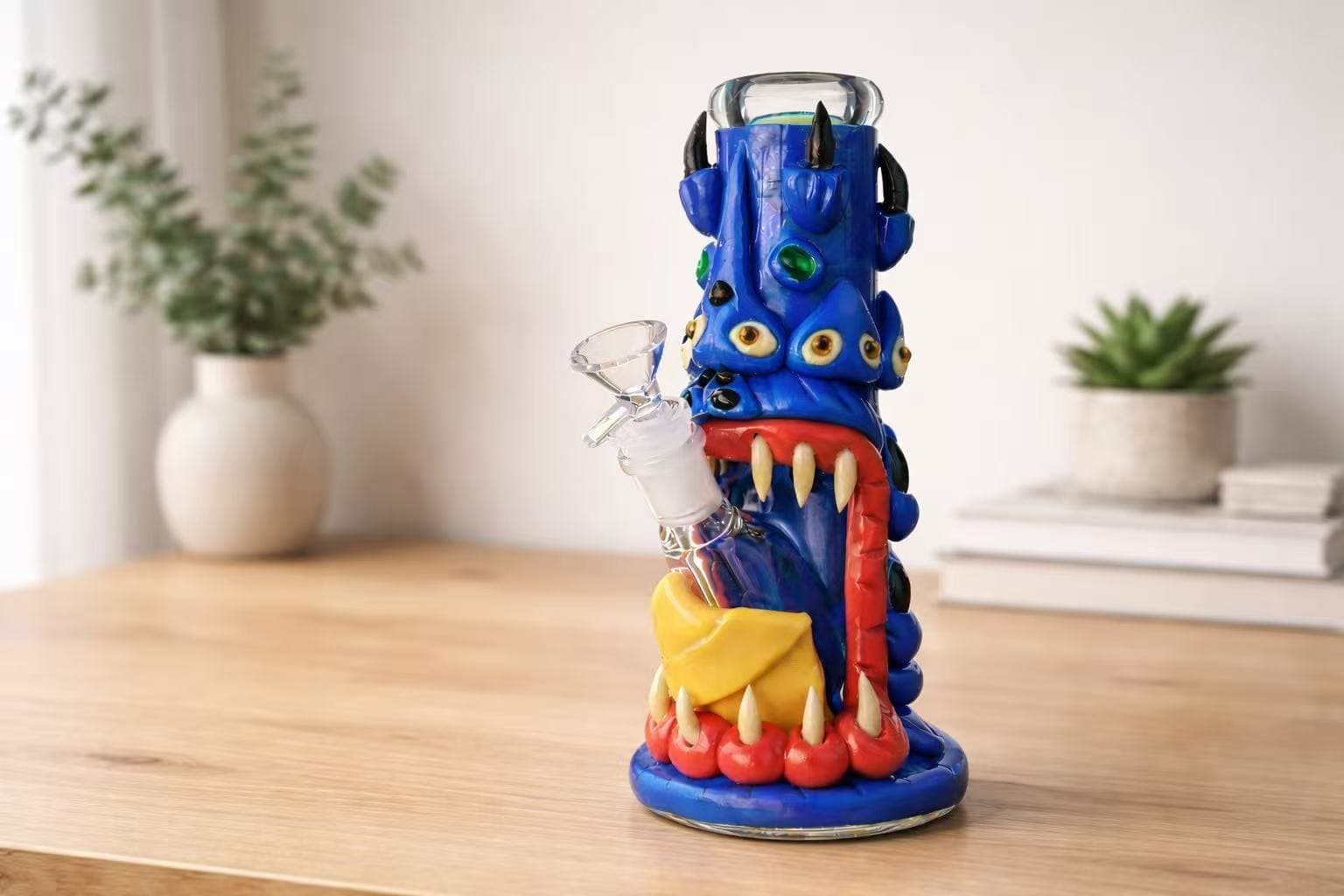
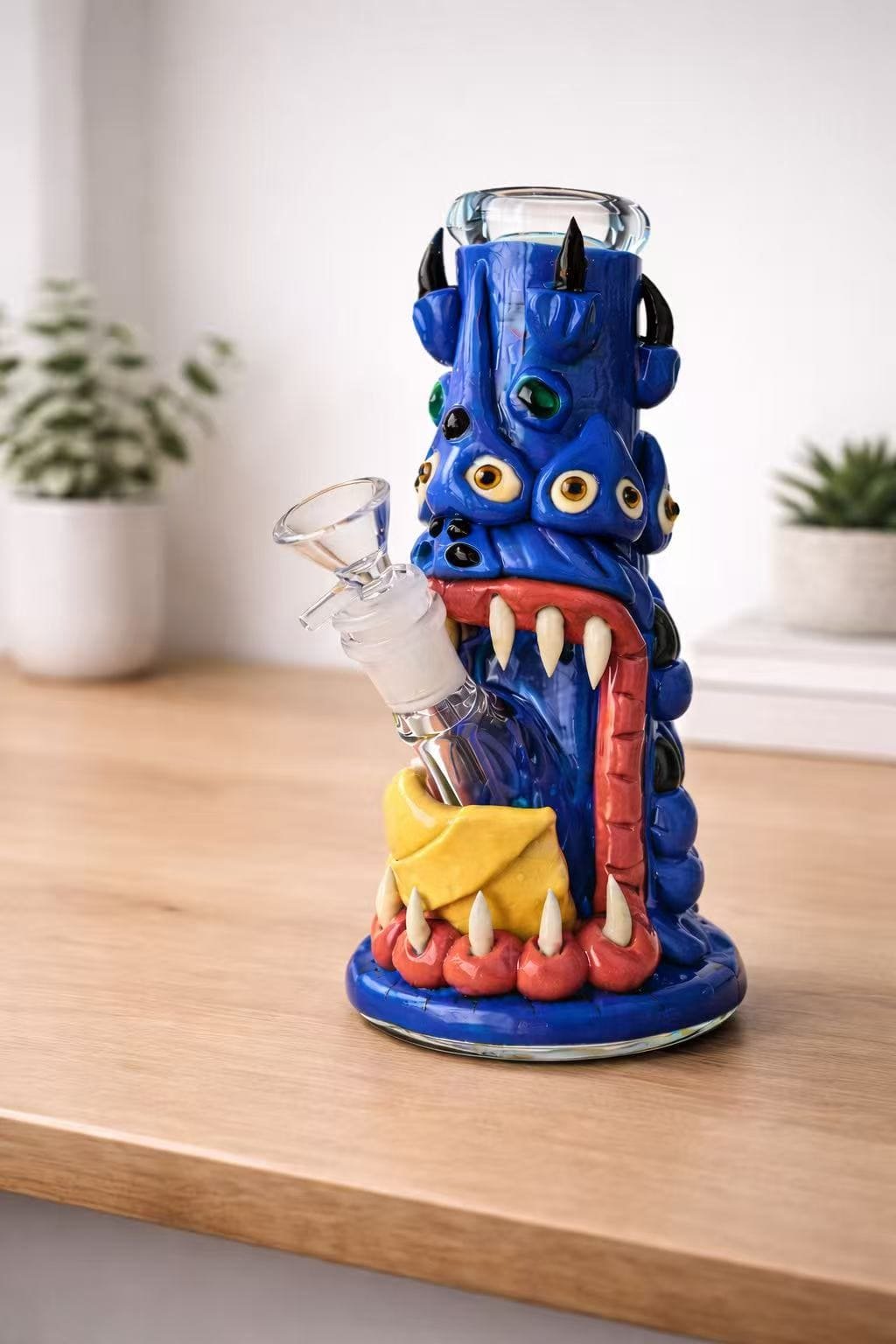
Painted and 3D painted glass usually has two zones:
- The interior glass surface (no paint, safe to clean normally)
- The exterior painted or sculpted surface (needs protection)
Problems happen when people treat both areas the same.
I remember a customer who soaked his painted bong overnight in strong alcohol. The inside came out perfectly clean. The outside lost its color depth. The glass didn’t fail—the method did.
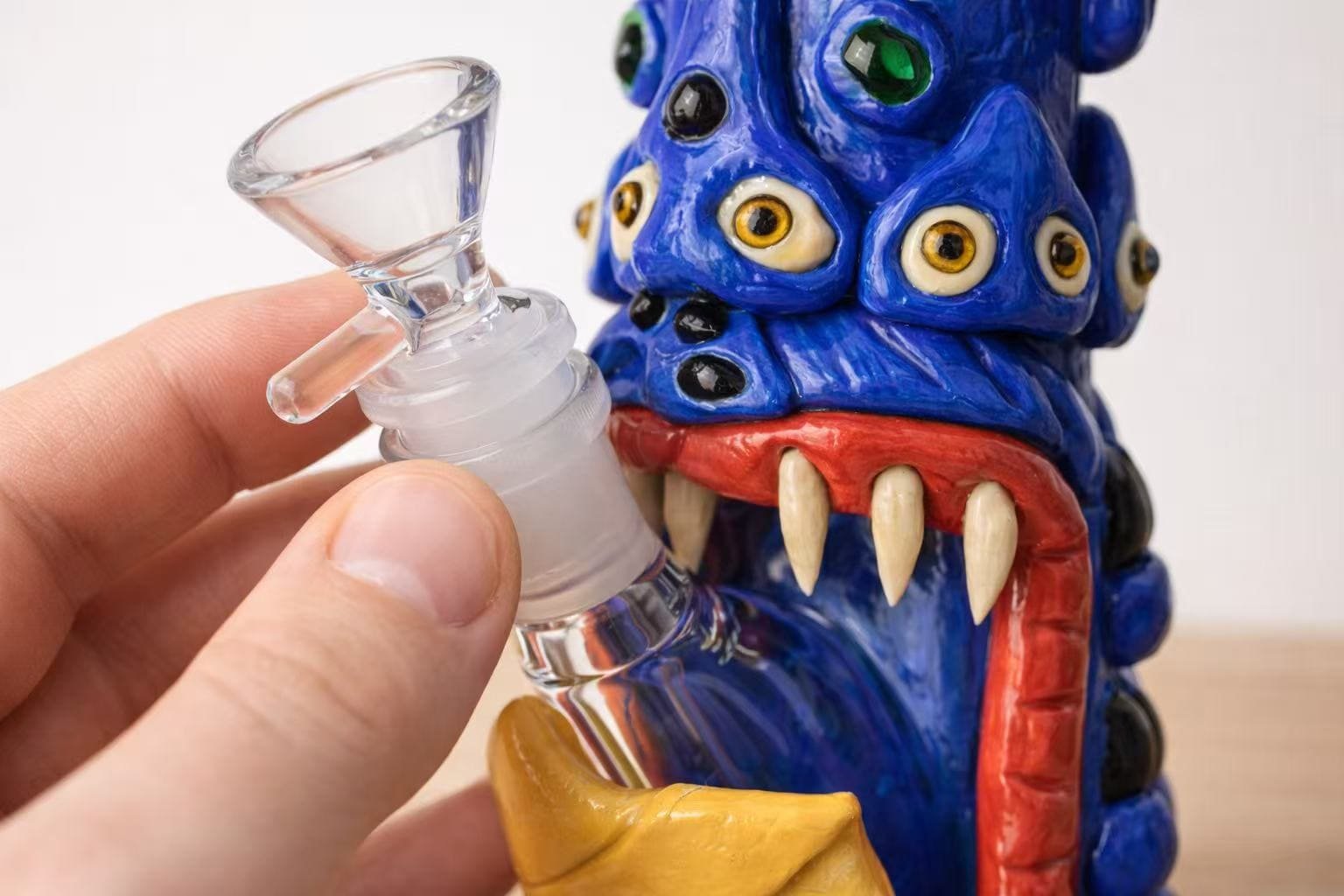
Why paint comes off
Paint doesn’t usually “wash away.” It breaks down when:
- Solvents dissolve the bonding layer
- Heat causes expansion mismatch
- Friction scrapes raised details
Safe mindset
Clean the glass, not the artwork.
That single idea prevents most damage.
What Is the Safest Way to Clean Painted Glass?
The safest way to clean painted glass is gentle soaking with warm water, followed by careful rinsing and air drying—never force scrubbing.
If I had to reduce this entire guide to one rule, it would be this:
Time is safer than force.
At our factory, when we test painted or clay-sculpted pieces, we always clean them while slightly warm and let soaking do most of the work. That same logic applies at home.
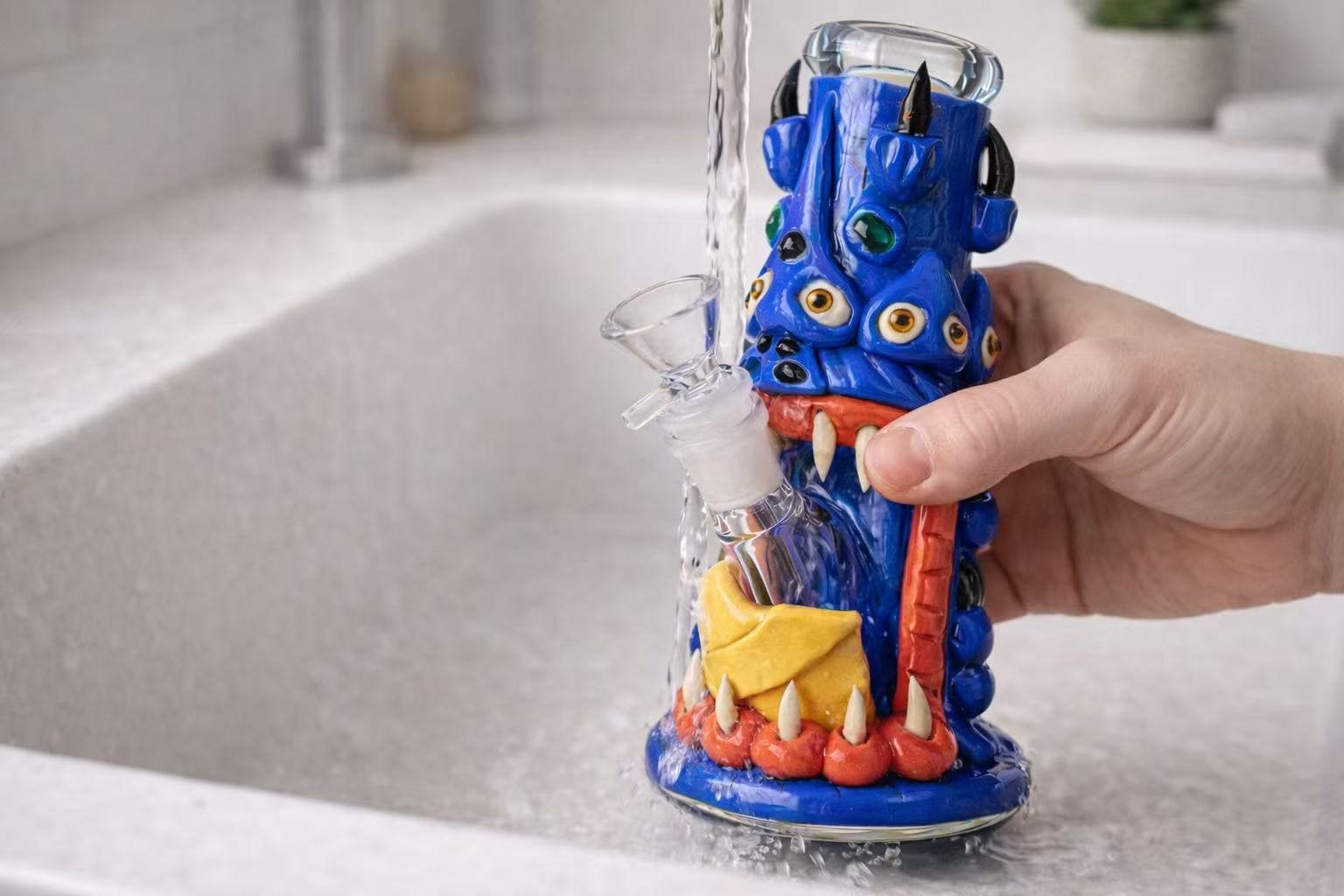
Step-by-step safe method
- [ ] Empty all water immediately after use
- [ ] Rinse with warm (not hot) water
- [ ] Let it soak so residue softens naturally
- [ ] Gently swirl—do not shake aggressively
- [ ] Rinse again and air dry
Why warm works
Warm water loosens residue without stressing the glass or paint. Boiling water works faster—but it also introduces thermal shock risk.
A quick personal note
I clean test samples myself before they go into our LA warehouse. The ones I rush are the ones that disappoint me later. The slow, gentle cleans always look better long-term.
Does Alcohol or Isopropyl Alcohol Damage Painted Glass?
Yes—alcohol can damage painted or 3D painted glass if it touches the painted surface directly or is used too frequently.
Alcohol is excellent for cleaning bare glass. That’s why it’s so popular. But painted glass is different.
Alcohol doesn’t just remove residue. It can soften binders and weaken the bond between paint or clay details and the glass surface.
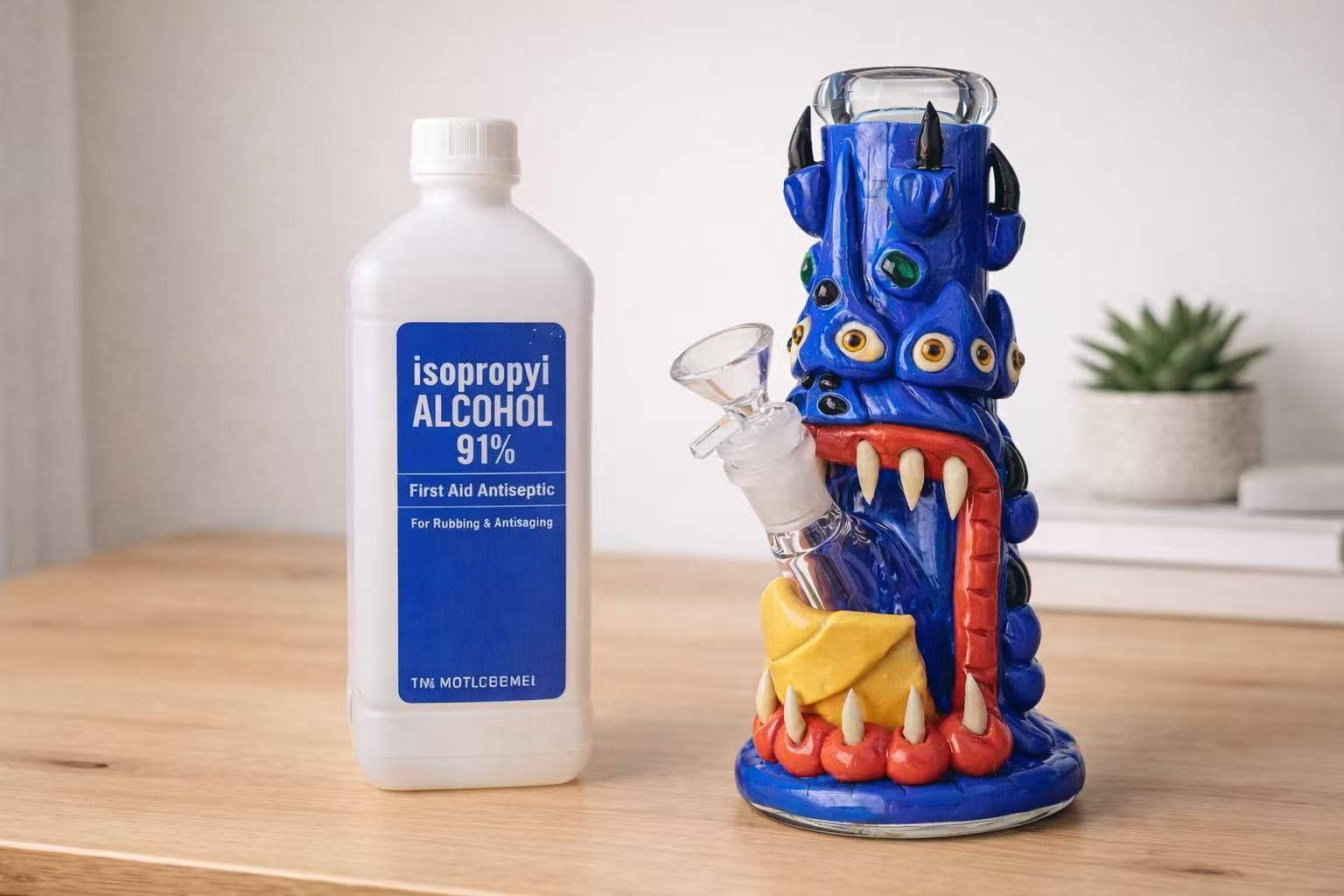
When alcohol is acceptable
- Inside the glass chamber only
- Short contact time
- Thorough rinsing afterward
When alcohol is risky
- On painted or sculpted exteriors
- Long soaks
- Repeated weekly exposure
Simple rule
Alcohol is a tool, not a default solution.
If alcohol accidentally touches the artwork once, don’t panic. Just rinse immediately and avoid repeating it.
Can You Soak Painted Glass in Water?
Yes, painted glass can be soaked in water, but only in warm water and for reasonable periods—not overnight and never in boiling water.
Soaking is actually one of the safest techniques when done correctly. It reduces the need for scrubbing.
However, soaking becomes risky when temperature or time is ignored.
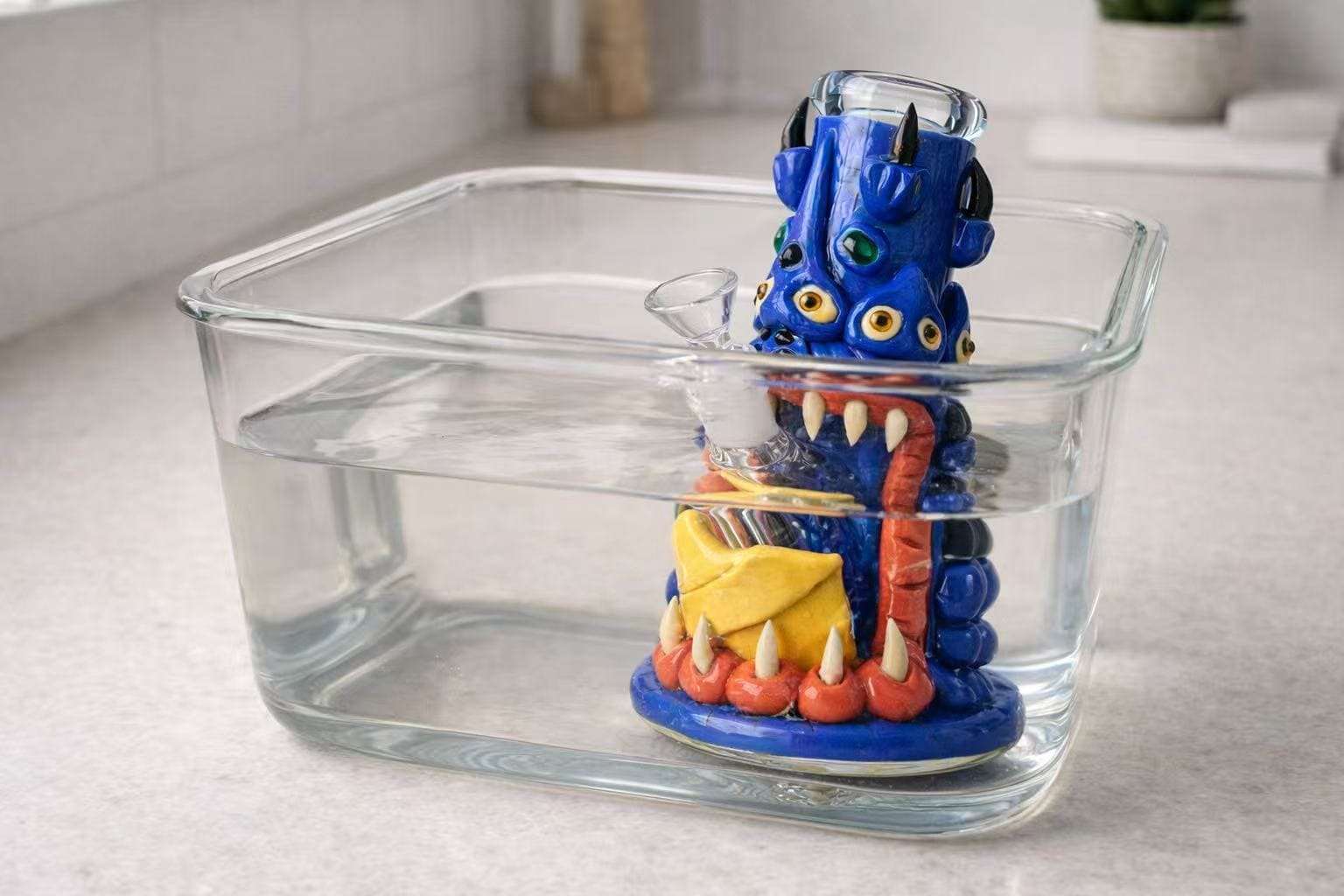
Safe soaking guidelines
- Use warm water only
- Soak 15–30 minutes
- Keep water below artwork if possible
- Dry completely afterward
What soaking does well
- Softens buildup
- Protects surface texture
- Reduces cleaning force
What soaking cannot fix
- Burnt-on residue from extreme heat
- Damage already caused by solvents
Think of soaking as prevention, not repair.
What Should You Avoid When Cleaning Painted or 3D Painted
Avoid boiling water, abrasive tools, aggressive shaking, and harsh chemicals when cleaning painted or 3D painted glass.
Most damage happens here. Not because people are careless—but because they’re trying to clean faster.
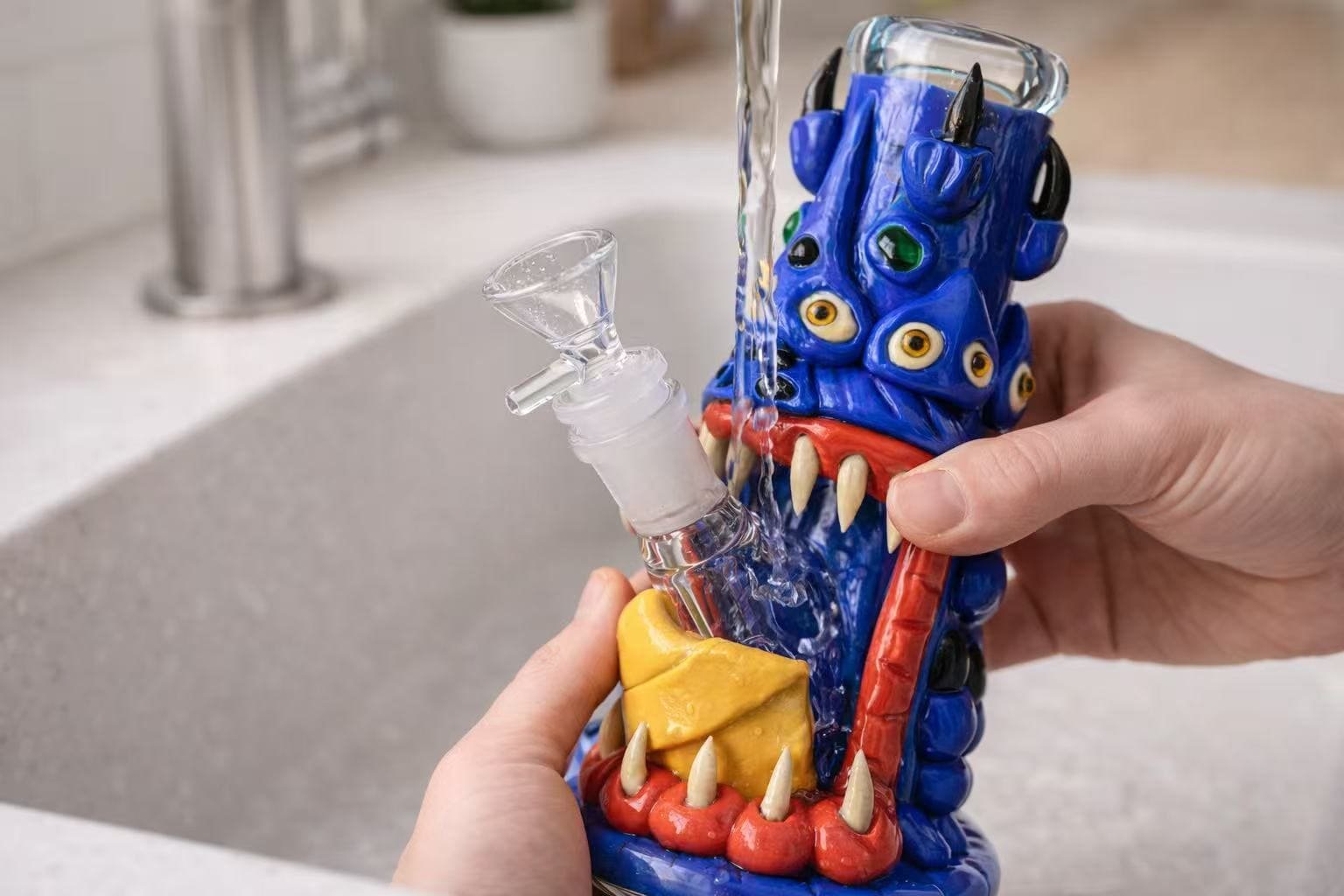
Top mistakes to avoid
- ❌ Boiling water
- ❌ Metal brushes or hard sponges
- ❌ Strong solvents on artwork
- ❌ Scraping raised details
- ❌ Sudden temperature changes
Why these cause damage
- Heat causes thermal shock
- Abrasion wears texture
- Solvents weaken bonds
At CloverGlass, if a piece arrives damaged during shipping, we replace or credit it. But cleaning damage is avoidable—and that’s why education matters.
How Often Should You Clean Painted Glass to Keep It Looking New?
Light, regular cleaning keeps painted glass looking new longer than infrequent deep cleaning.
This is where most users get it backward.
They wait too long. Residue hardens. Then they scrub harder. That’s when damage happens.
Ideal cleaning rhythm
- Quick rinse after each use
- Light soak every few uses
- Deeper interior clean as needed
Why frequency matters
Frequent gentle cleaning:
- Reduces buildup
- Protects artwork
- Extends lifespan
In retail, we see fewer complaints from customers who clean often. The pattern is consistent.
Conclusion
Painted and 3D painted glass doesn’t require special chemicals or tools. It requires patience and the right habits.
For consumers, gentle care protects the design you paid for.
For retailers and wholesalers, educating customers reduces returns and complaints.
If you’re sourcing painted or 3D painted glass:
- Get a quote https://cloverglasspipe.com/order-glass-smoking-products-online/shop-3d-painted-glass-bongs/
- Order Online: https://cloverglasspipe.com/order-glass-smoking-products-online/
- Email me: Frank@CloverPipe.com
FAQ
Q1: Can painted glass lose color from cleaning?
A1: Yes, if harsh chemicals, alcohol, or abrasive tools are used on the painted surface.
Q2: Is warm water safe for painted glass?
A2: Yes. Warm water is the safest option for regular cleaning.
Q3: Can I use dish soap?
A3: Mild soap is usually safe in small amounts, followed by thorough rinsing.
Q4: Should I scrub raised designs?
A4: No. Let soaking loosen residue instead of scrubbing.
Q5: How long can I soak painted glass?
A5: 15–30 minutes is enough in most cases.
Q6: Is boiling water ever okay?
A6: No. Boiling water risks thermal shock and paint damage.
Q7: Can alcohol touch painted areas briefly?
A7: Brief contact is usually okay if rinsed immediately, but avoid repeating it.
Q8: How do I dry painted glass?
A8: Air drying is best. Avoid heat sources.
Q9: Does cleaning affect resale value?
A9: Proper cleaning helps maintain appearance and value.
Q10: Where can I buy painted glass with support?
A10: From suppliers offering clear specs and after-sales support—like CloverGlass.