Can You Drink Bong Water? What Really Happens
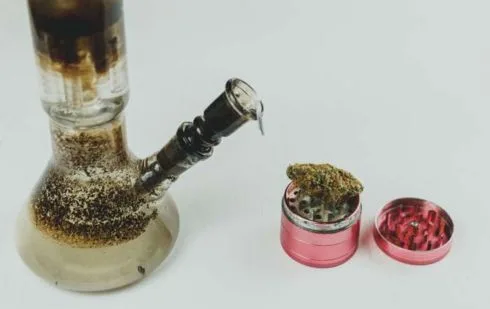
Dirty bong water looks harmless until it is not. Many people ignore it, keep using the same water, and only ask questions after a bad smell, a bad taste, or an accidental sip.
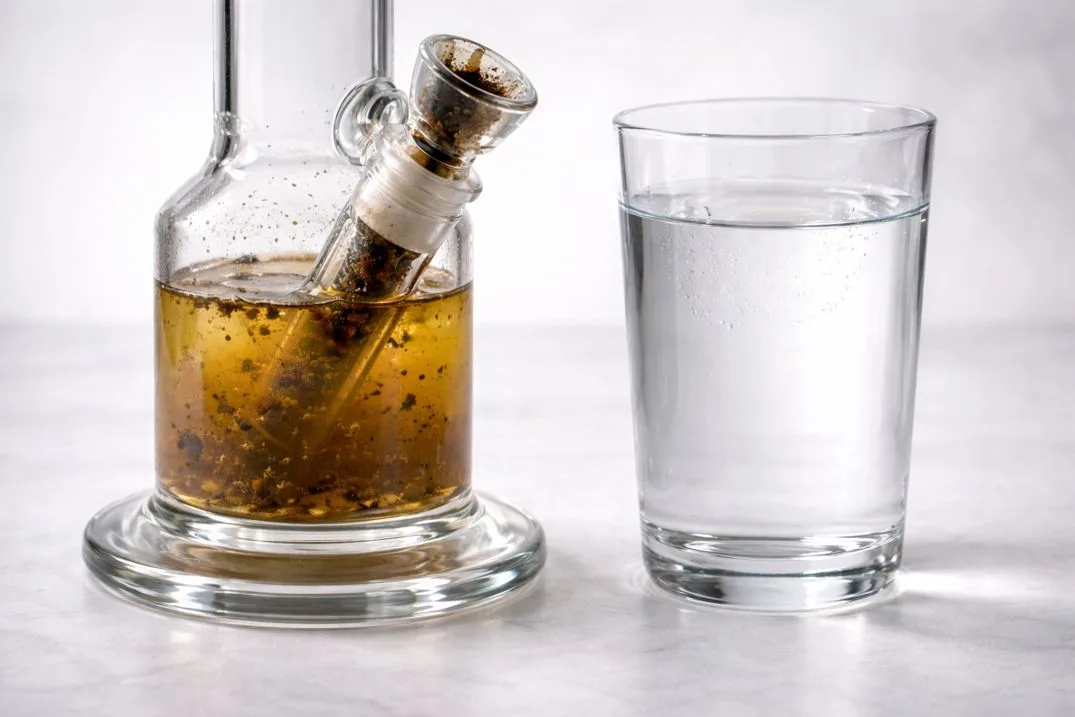
No, I do not consider bong water safe to drink. Bong water can contain ash, resin, saliva, plant debris, and bacteria from repeated use. If you accidentally drink a small amount, it is usually more disgusting than dangerous, but it can still irritate your mouth, throat, or stomach. The better habit is simple: change the water often and keep your glass clean.
A few years ago, I saw one customer complain that his piece tasted “old” even though the glass still looked fine from a distance. When we asked for photos, the answer was obvious. The chamber was full of cloudy water and resin film. That is one reason I always tell people the same thing: clean taste starts with clean water, not just expensive glass.
[Table of contents]
1. What Is in Bong Water?
Bong water usually contains a mix of ash, burnt residue, resin, saliva, plant particles, and microbes that build up quickly after use. That is the real answer to “what is in bong water.”
When people ask me what is in bong water, they often expect a short answer like “just dirty water.” In real use, it is more than that. Once smoke passes through water, the liquid starts collecting fine particles from combustion. Ash drops in. Resin sticks to the inner wall. Tiny bits of flower or concentrate can fall through the bowl or downstem. On top of that, every session adds moisture from the mouth and air exposure from the room.
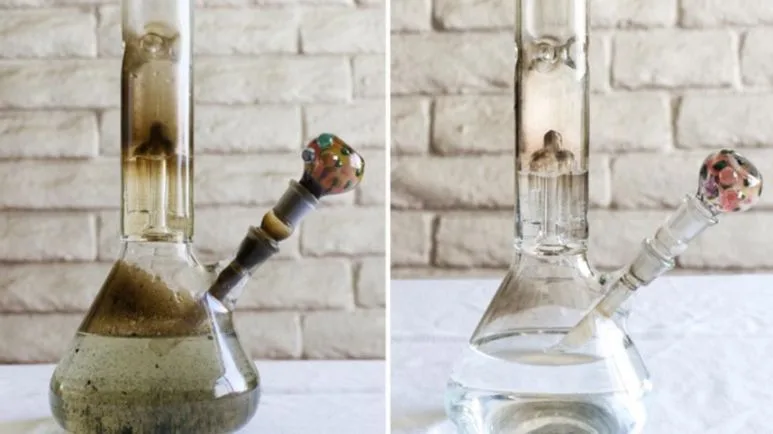
That buildup changes the water faster than most people think. Fresh water may start clear, but after one or two sessions it often turns cloudy, yellowish, or brownish. The smell also changes. That smell is usually a strong clue that the water is holding old residue instead of helping filter anything useful. In other words, bong water is not a neutral liquid after use. It becomes waste water.
For consumers, the biggest mistake is judging by appearance alone. Some water still looks “not too bad,” but the inside glass may already have a sticky film. I have handled glass products for years, and I can say this from experience: once the chamber starts holding odor, the water is already working against the smoking experience. Taste becomes stale. The draw feels less clean. The whole session gets worse.
Smoke residue does not disappear in water
A lot of people assume water magically removes everything bad and leaves the chamber clean. That is not how it works. Water can trap part of the ash and cool some of the smoke, but it does not turn dirty residue into something safe or drinkable. It simply holds suspended waste. The same reason the water changes color is the reason you should not drink it.
In practical terms, the chamber becomes a holding tank for leftovers. That includes:
- [ ] Ash and carbon particles
- [ ] Sticky resin and tar-like residue
- [ ] Loose bits of herb or concentrate
- [ ] Saliva droplets from repeated pulls
- [ ] Dust and room contaminants if the piece sits out
That mix is exactly why the question is bong water safe to drink usually has a clear answer from me: no. Even if it started as clean water, it does not stay clean for long.
Warm, stagnant water makes things worse
Another issue is time. If the water sits overnight or longer, especially in a warm room, the problem gets worse. Stagnant water and organic residue are never a good combination. I avoid making medical claims, but from a basic hygiene view, old bong water is not something I would ever treat like normal water.
I once saw a user keep the same water in a piece for nearly a week because the glass itself was expensive and “looked premium.” Premium glass does not stop dirty water from turning nasty. A borosilicate glass water pipe gives you better heat resistance, better durability, and easier cleaning, but it still needs fresh water and routine care. Good material improves maintenance. It does not remove the need for maintenance.
Suggested internal links for this section:
2. Can You Drink Bong Water Safely?
No. If you are asking “can you drink bong water” or “is bong water safe to drink,” my answer is no because used bong water is contaminated with smoke waste and hygiene-related buildup.
This is one of those questions where people often want a gray answer. I do not think it helps to overcomplicate it. Used bong water is not a beverage. It is not a cleaning tonic. It is not “basically fine” because it went through glass. It is dirty session runoff. That is the practical answer.
Now, does that mean a tiny accidental sip always creates a serious emergency? Not necessarily. Context matters. A small accidental taste is very different from intentionally drinking a cup of old bong water. But that does not make it safe. It only means the likely outcome for a small accidental sip is often disgust, coughing, bad taste, nausea, or mild stomach upset rather than something dramatic.
From a harm-reduction angle, the better advice is simple:
- [ ] Do not drink used bong water on purpose
- [ ] Empty the chamber after sessions
- [ ] Rinse before the next use
- [ ] Deep clean regularly
- [ ] Replace cracked or hard-to-clean pieces
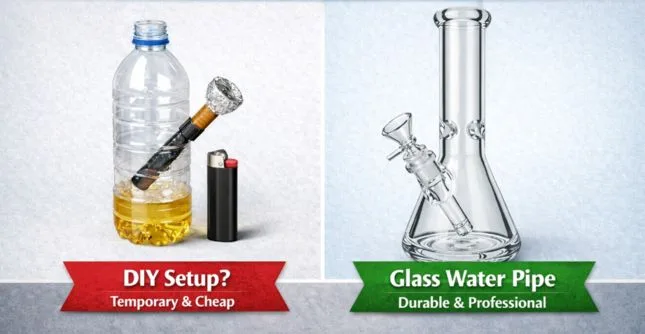
That last point matters. Cheap, rough, poorly finished glass can trap residue more easily, and once cleaning becomes annoying, people delay it. That is one reason I still prefer a well-made borosilicate glass water pipe over low-grade alternatives. Better construction usually means smoother inner surfaces, more stable joints, and easier repeat cleaning.
Why “filtered through water” does not mean drinkable
People confuse two ideas. One is smoke filtration. The other is drinking safety. These are not the same thing. Water in a bong is there to cool and condition smoke, not to stay clean enough for consumption. The chamber is doing a dirty job. That is why the water becomes foul in the first place.
Here is the simplest way I explain it:
| Point | Fresh Water | Used Bong Water |
|---|---|---|
| Appearance | Clear | Cloudy, yellow, or brown |
| Smell | Neutral | Stale or strong |
| Contents | Clean water | Residue, ash, saliva, debris |
| Use | Fill the piece | Dump and replace |
| Safe to drink | Yes | No |
Consumers sometimes ask whether ice water, filtered water, or distilled water changes the answer. It does not. Better starting water is a nice touch for taste, but once the session starts, dirty buildup begins. Cleaner input does not make dirty output drinkable.
Safety is also about the piece itself
I also want to mention the hardware. A clean session is easier when the piece is designed for cleaning from the start. At CloverGlass, I have spent years working with glass water pipes, recyclers, and accessories. What I see again and again is this: pieces with awkward chambers, poor joint alignment, or rough finishing tend to stay dirty longer because users avoid maintaining them.
That is where material and design matter. A solid borosilicate glass water pipe handles repeated rinsing better. It also tolerates normal cleaning better than fragile, low-grade glass. Of course, users still need common sense. Avoid thermal shock. Do not pour very hot water into cold glass. Do not move from freezer-cold to hot rinse. The goal is better hygiene, not cracked glass.
Suggested internal links for this section:
3. Why Bong Water Gets Dirty So Fast
Bong water gets dirty fast because every hit adds ash, resin, plant particles, and moisture into a small water chamber. The smaller and dirtier the setup, the faster the water breaks down.
Many people underestimate the speed of buildup. They think dirty bong water is a “later” problem. In reality, the process begins immediately. Each draw pushes smoke through the same water path. That means the chamber keeps collecting tiny leftovers from each hit, and the volume of water is usually small. Small chamber plus repeated smoke equals fast contamination.
There is also a surface problem. Resin does not only float in the water. It sticks to the inside wall, the downstem, and the percolator. Once that sticky film appears, the water gets dirty faster because old residue keeps mixing back into fresh water. That is why simply topping off the chamber is not enough. If the glass is already coated, “new” water becomes old water quickly.
I have noticed this especially with people who love function-heavy pieces but do not love cleaning. More percs and more internal pathways can create a smoother draw, but they also create more places for buildup. That is not a reason to avoid good function. It is a reason to keep the maintenance routine honest.
Session habits change how fast water turns bad
Not every user dirties water at the same speed. These factors matter:
- [ ] How often the piece is used
- [ ] How much ash falls through
- [ ] Whether the bowl is packed too loosely
- [ ] Whether the user clears the chamber fully
- [ ] Whether the piece is rinsed after use
- [ ] Whether the water sits overnight or for days
If someone takes repeated sessions without changing the water, the chamber becomes a concentrated mix of residue. Add heat, room air, and time, and the smell gets worse fast. That is why people sometimes think the flower changed or the glass itself tastes bad. Often, it is just old water and old residue.
I once tested two similar pieces after a trade discussion: one got a quick rinse every day, and the other sat with used water for days. Same shape. Same type of use. The neglected piece smelled dramatically worse. That kind of basic comparison is why I always connect flavor quality to maintenance, not just product price.
Cleaner design helps, but routine still wins
This is also where glass water pipe cleaning becomes part of product choice. A piece that is easy to rinse, easy to access, and easy to inspect will usually stay cleaner in real life. Consumers do not always need the most complex setup. Sometimes a simple beaker or straightforward chamber is easier to keep fresh, so the experience stays more consistent.
Here is a practical maintenance formula:
Fresh fill → Use session → Empty same day → Quick rinse → Deep clean on scheduleThat routine matters more than chasing gimmicks. A premium-looking piece with neglected water still gives a bad experience. By contrast, a simple, well-made borosilicate glass water pipe with fresh water often performs better day to day because users actually keep it clean.
Suggested internal links for this section:
4. What Happens If You Accidentally Drink Bong Water?
If you accidentally drink bong water, the most common result is bad taste, coughing, nausea, or stomach discomfort. That is the practical answer to “what happens if you drink bong water.”
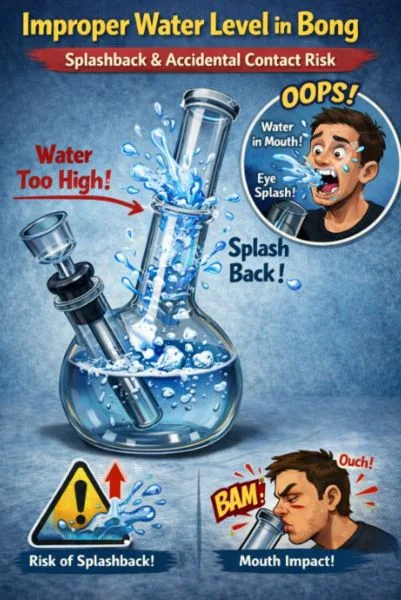
This question comes up a lot because accidents happen. Someone clears too hard. Someone tips the piece. Someone gets a splash through the mouthpiece. Usually the first reaction is panic. In most minor cases, the immediate issue is disgust and irritation, not mystery. Used bong water tastes foul because it contains stale residue. That alone can trigger gagging or nausea.
So, what happens if you drink bong water? Usually one or more of these:
- [ ] Bad taste in the mouth
- [ ] Coughing or throat irritation
- [ ] Mild nausea
- [ ] Upset stomach
- [ ] Strong urge to spit and rinse
That said, I still would not minimize it. Can bong water make you sick? It can certainly make you feel sick, especially if it is old, foul, or full of visible debris. The dirtier the water, the worse the experience is likely to be. If someone feels unwell after exposure, the sensible move is to stop using the piece, rinse the mouth, drink clean water, and pay attention to symptoms. I am not giving medical advice here. I am giving practical harm-reduction advice.
Accidental splash is different from intentional drinking
A small splash is not the same as drinking a larger amount. That distinction matters. The typical accidental sip is small and brief. People usually spit it out immediately. That is unpleasant, but it is still very different from intentionally swallowing dirty chamber water.
This is why I tell people not to turn weird internet dares into product behavior. Used bong water is waste water. Treat it that way. Dispose of it. Clean the glass. Refill with fresh water only when the piece is ready for the next session.
Also, check the setup after any splash incident. Sometimes the issue is not just dirty water. It may be overfilled water, a badly angled piece, or a poorly fitting accessory. In retail and wholesale, I always look at function first. Good design reduces user mistakes.
What to do right after it happens
A simple checklist helps:
- [ ] Spit it out immediately
- [ ] Rinse your mouth with clean water
- [ ] Stop using the piece for the moment
- [ ] Empty the chamber
- [ ] Wash the piece before the next session
- [ ] Check water level and airflow setup
That final step matters more than people think. Overfilling is a common cause of splashback. So is using a piece at an awkward angle. A clean, stable, correctly filled glass piece reduces both hygiene problems and user frustration.
At CloverGlass, when customers send after-sales photos, I often diagnose function problems from one image: wrong water level, dirty chamber, overloaded bowl, or neglected downstem. That is why our after-sales process is practical. Photo first, then solution. In B2B we often handle it as photo-to-credit when the issue is product-related. For consumers, the lesson is similar: pictures reveal what habits hide.
Suggested internal links for this section:
5. How Often Should You Change Bong Water?
You should change bong water after every session or at least daily if the piece is in regular use. That is the best answer to “how often should you change bong water.”
If someone asks me how often should you change bong water, I prefer a simple rule over a complicated chart: change it more often than you think. Fresh water is cheap. Dirty flavor is not worth saving a few seconds. In normal daily use, I recommend emptying used water the same day. If the piece gets heavy use, fresh water per session is better.
The biggest mistake is leaving water overnight because “I will use it again tomorrow.” That shortcut often ruins the next session before it starts. Odor builds. Taste gets flat. The chamber starts looking stained. Once the residue bonds to the glass, cleanup takes longer. So regular water changes are not just about hygiene. They are also about reducing deep-clean effort later.
A practical replacement schedule
Here is the schedule I would suggest for most consumers:
- [ ] Light use: change after each session or at least once daily
- [ ] Moderate use: change after each session
- [ ] Heavy use: fresh water every time, plus quick rinse
- [ ] Shared use: always change immediately after the session
That last point is especially important. Shared pieces get dirty faster. Even from a basic cleanliness perspective, fresh water matters more when multiple users are involved.
A good routine looks like this:
Finish session → Empty water → Rinse chamber → Air dry or refill before next useIt is simple. It works. And it protects the taste of the next session.
Water changes do not replace deep cleaning
This is where people mix up two maintenance levels. Fresh water is daily care. Glass water pipe cleaning is full maintenance. You need both. Even if the water is changed often, resin still builds on the glass, especially in the downstem, bowl, and perc. So water changes slow the problem, but they do not erase it.
My own rule of thumb is:
- [ ] Quick rinse often
- [ ] Spot clean visible buildup early
- [ ] Deep clean before the piece smells stale even when empty
That final point matters because odor is a signal. If an empty piece still smells strong, residue is already established.
And again, product material helps. A durable borosilicate glass water pipe is easier to maintain over time because it handles repeated rinsing and normal cleaning better. Still, users must avoid care mistakes. Do not use extreme temperature changes. Do not bang tools inside the chamber. Do not wait until the piece becomes hard to save.
Suggested internal links for this section:
6. Why Clean Glass Water Pipes Are the Better Choice
Clean glass water pipes are the better choice because they deliver better taste, easier maintenance, clearer function, and a more predictable experience than dirty or low-quality setups.
For me, this is where the whole conversation comes together. People ask whether they can drink bong water, but the better question is why they are letting the water get that bad in the first place. A clean piece solves most of the problem before it starts. Cleaner water, cleaner chamber, cleaner draw. That is the real upgrade.
I have worked with thousands of SKUs across glass, silicone, packaged series, and accessories, and I still come back to one simple point: clean glass gives users more control. You can see the water line. You can spot the buildup. You can inspect the chamber. That visibility changes behavior. Users clean sooner because they can actually see what is happening.
For consumers, a well-made borosilicate glass water pipe is often the smarter long-term choice because it balances function and maintenance. It is heat-resistant, durable in normal use, and easier to keep looking good. For retailers and distributors, that same logic matters on the shelf. Cleaner-looking product categories are easier to sell. Repeat use depends on repeat satisfaction.
What I look for in a cleanable water pipe
When I evaluate a piece, I do not only look at shape. I look at daily use reality:
- [ ] Is the chamber easy to rinse?
- [ ] Is the downstem removable?
- [ ] Can the user see buildup early?
- [ ] Are the joints stable and well finished?
- [ ] Is the glass thick enough for normal repeated cleaning?
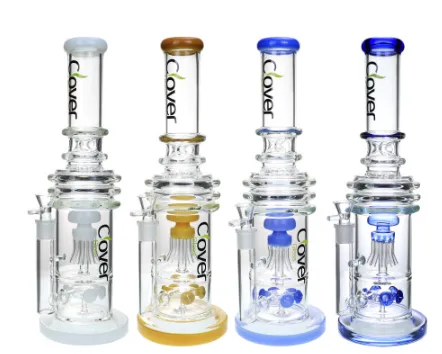
That is one reason our product development focuses on usable designs, not only flashy photos. Of course, HD images help people buy online. We provide them. Custom packaging helps brands grow. We do that too. But good after-sales starts with product decisions that reduce maintenance pain in the first place.
Since January 1, 2026, we also launched our online store, so end consumers can order directly. Small wholesale buyers can unlock wholesale pricing at $1,200, and products ship directly from the factory. That setup helps buyers test what actually moves. For larger B2B customers, our LA warehouse supports fast shipping and low-MOQ stock programs. For OEM, typical lead time is around 20–25 days.
Clean product, clean habit, better business
Here is the bigger retail lesson. Dirty smoking gear hurts repeat sales. Cleanable gear supports them. When users enjoy the taste, function, and maintenance experience, they come back. When they fight dirty chambers, stale smell, or hard-to-clean designs, they delay reorders or switch brands.
That is also why our team takes after-sales seriously. In many cases, photos tell the story fast. If there is a true product issue, we act on it. If it is a care issue, we help diagnose it clearly. In wholesale, practical support matters. So do stable inventory, consistent QC, and new product drops that match actual demand.
And yes, I still believe this applies even for a simple hygiene question like can bong water make you sick. The best answer is not only “do not drink it.” The better answer is “build a cleaner routine around a better piece.”
Suggested internal links for this section:
Conclusion
If I had to reduce this topic to one practical takeaway, it would be this: do not drink used bong water, and do not let your piece get to that point. Fresh water, regular rinsing, and consistent glass water pipe cleaning make a bigger difference than most people realize. For consumers, that means better taste and a better session. For retailers and wholesale buyers, it means fewer complaints, stronger repeat orders, and easier product positioning.
At CloverGlass, I have seen how much maintenance affects user satisfaction. Good borosilicate glass water pipe designs, stable QC, real after-sales support, and accessible stock all matter. If you are buying for your store, testing a new line, or looking for custom packaging and OEM development, I am happy to help you choose the right direction.
FAQ
Q1: Can you drink bong water if it looks clean?
A1: No. Even if bong water still looks clear, it may already contain smoke residue, fine ash, saliva, and tiny plant particles. Appearance alone is not a reliable test. I treat any used bong water as dirty water and replace it before the next session.
Q2: Is bong water safe to drink after only one hit?
A2: I still would not call it safe to drink. One hit may create less buildup than a full session, but the water is already collecting combustion residue and debris. The risk may be lower than old stagnant water, but it is still not something I would intentionally swallow.
Q3: What happens if you drink bong water by accident?
A3: In many minor cases, the first result is a terrible taste, coughing, nausea, or mild stomach discomfort. Most people spit it out right away. I recommend rinsing your mouth, stopping use, and cleaning the piece before using it again.
Q4: Can bong water make you sick?
A4: It can definitely make you feel sick, especially if it is old, foul-smelling, or visibly dirty. I avoid medical claims, but from a practical hygiene view, dirty bong water is not something I would ever consider harmless enough to drink on purpose.
Q5: What is in bong water after repeated use?
A5: Used bong water can contain ash, sticky resin, burnt residue, loose herb particles, saliva droplets, and general grime from repeated sessions. The longer the water sits, the worse the smell and the stale taste usually become. That is why frequent changes matter.
Q6: How often should you change bong water for the best taste?
A6: My practical answer is after every session, or at least once per day for regular use. Heavy users should replace it every time. Fresh water protects flavor, reduces odor, and slows the sticky buildup that makes full cleaning harder later.
Q7: Does fresh water replace glass water pipe cleaning?
A7: No. Fresh water helps, but it does not remove resin already stuck to the chamber, downstem, or bowl. Good maintenance has two parts: frequent water changes and routine deep cleaning. You need both if you want consistent taste and a cleaner piece.
Q8: Why does bong water get dirty so fast?
A8: It gets dirty fast because the chamber is small and every draw pushes more ash, smoke particles, and sticky residue through the same water. Once resin starts coating the inner wall, even newly added water can become dirty much faster than expected.
Q9: Is a borosilicate glass water pipe easier to keep clean?
A9: Usually yes. A well-made borosilicate glass water pipe tends to offer better durability, smoother surfaces, and more reliable repeat cleaning than low-grade glass. It does not eliminate maintenance, but it makes normal care easier and helps the piece stay presentable longer.
Q10: What is the best daily habit for cleaner bong water?
A10: The best habit is simple: empty the used water the same day, rinse the chamber, and refill only when needed for the next session. That small routine keeps taste fresher, reduces odor, and makes long-term glass water pipe cleaning much easier.