Most people hear “percolator bong” and assume it’s just marketing. The result? Confusion, wrong purchases, and rough hits. Let me break it down clearly—what it is, how it works, and who it’s really for.
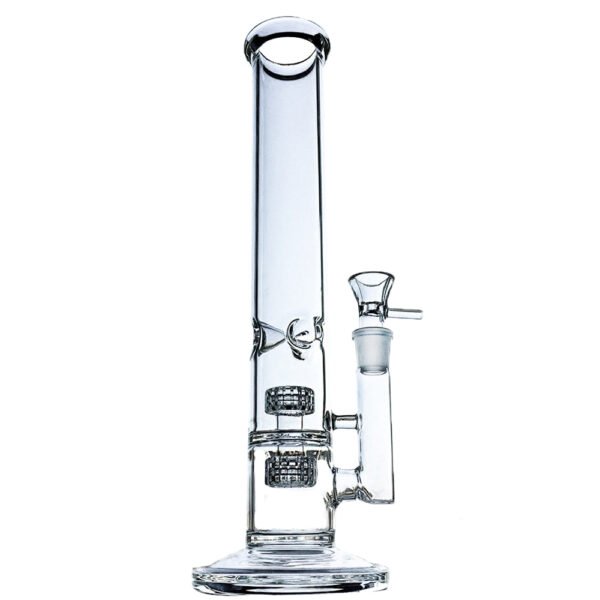
A percolator bong is a glass water pipe with an internal diffusion system (the percolator) that breaks smoke into smaller bubbles, cooling and filtering it before inhalation. This design delivers smoother, cooler hits than a standard bong by increasing smoke-to-water contact inside the chamber.
I’ve been working with glass bongs for over a decade at CloverGlass, and this is one of the most misunderstood categories—especially for first-time buyers.
Contents
- 1 What Is a Percolator Bong?
- 2 How Does a Percolator Bong Work?
- 3 What Does a Percolator Do in a Bong?
- 4 What Are the Different Types of Percolator Bongs?
- 5 Are Percolator Bongs Better Than Regular Bongs?
- 6 Who Should Use a Percolator Bong?
- 7 Percolator Bong vs Dab Rig: What’s the Difference?
- 8 Are Percolator Bongs Hard to Clean?
- 9 Why Do Smoke Shops Stock Percolator Bongs?
- 10 Conclusion
- 11 FAQ
What Is a Percolator Bong?
A percolator bong is a glass percolator bong that uses one or more built-in diffusion elements to filter and cool smoke before it reaches your mouth.
A regular bong has one basic job: smoke passes through water, cools a bit, then you inhale. A percolator bong adds an extra step inside the glass. That step is the percolator—sometimes called a “perc.”
From my experience, customers usually notice two things right away:
- The hit feels smoother.
- The smoke looks more “milky” inside the chamber.
That’s not accidental. The percolator is designed to increase surface area. More bubbles mean more cooling and filtration.
I still remember one of our early U.S. customers testing two identical glass bongs side by side—one with a simple downstem, one with a tree percolator. Same glass thickness. Same bowl. His reaction was immediate: “This one doesn’t burn my throat.” That’s the percolator doing its job.
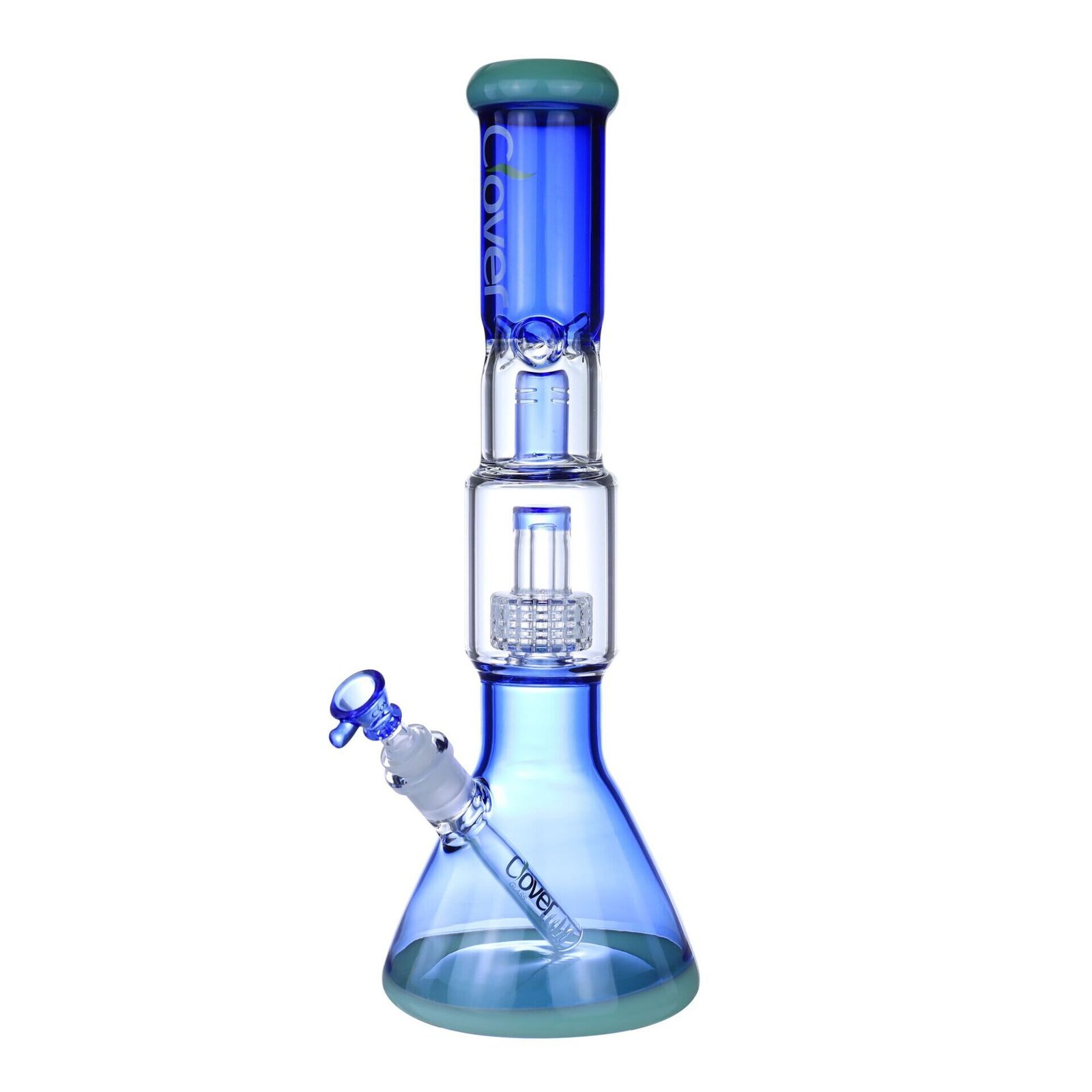
Glass Percolator Bong vs Standard Bong
A standard bong relies mostly on water depth. A percolator bong relies on structure. That’s the key difference.
How Does a Percolator Bong Work?
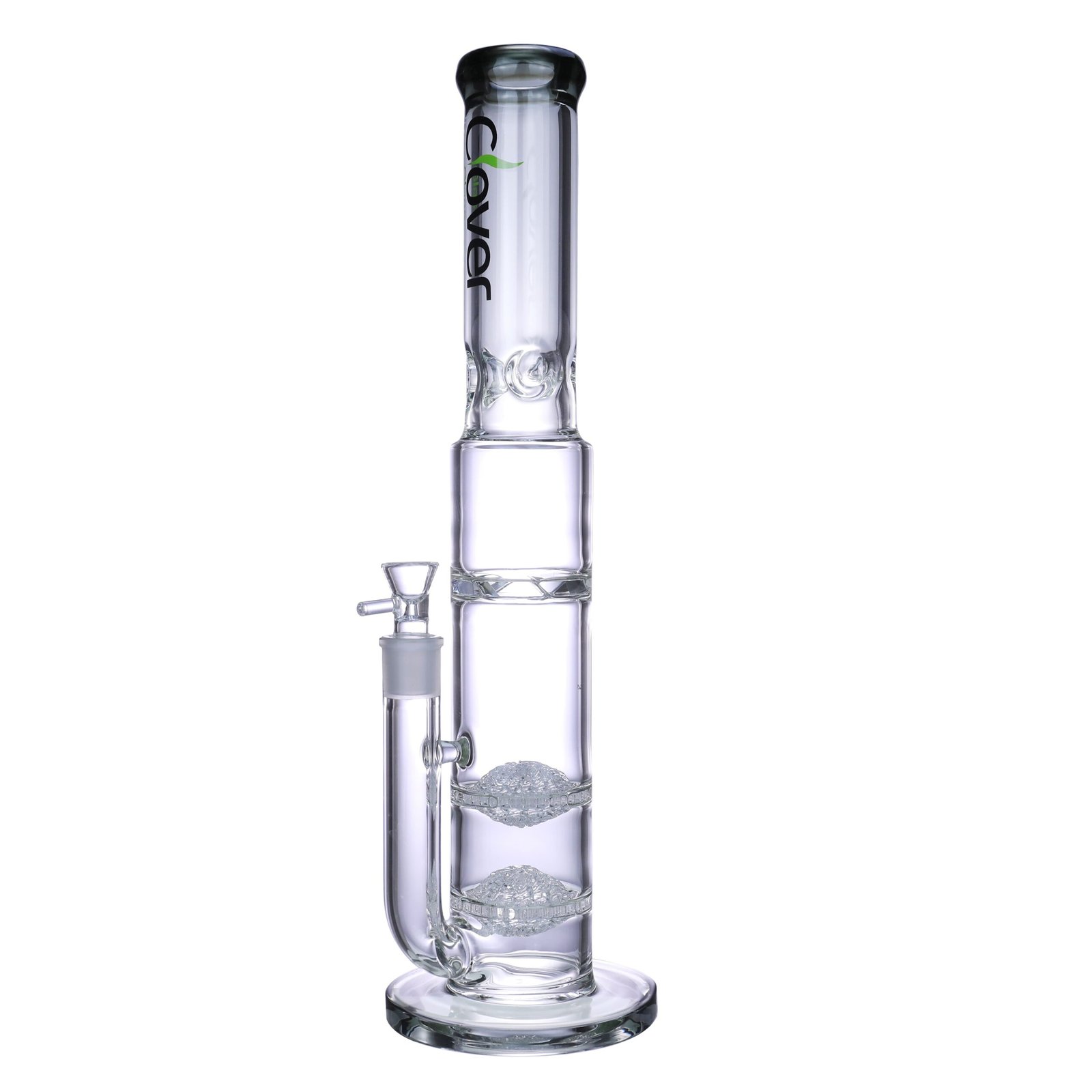
A percolator bong works by forcing smoke through multiple small openings in the percolator, breaking it into fine bubbles that cool and filter the smoke more efficiently.
Here’s the simple flow:
Smoke → water → percolator → more bubbles → cooler smoke → inhale.
Inside the glass percolator bong, the percolator acts like a diffuser. Instead of one big smoke stream, you get dozens of tiny bubbles. Each bubble releases heat and traps particles.
From a practical standpoint, this means:
- Less harshness
- More consistent airflow
- A longer, smoother pull
When we test percolator bongs in our factory QC, we don’t just look at how they function—we listen. A good percolator has a steady, even bubbling sound. Erratic bubbling usually means uneven diffusion.
Step-by-Step: What Happens During a Hit
- [ ] You light the bowl
- [ ] Smoke travels down the stem
- [ ] Smoke enters the percolator
- [ ] Smoke splits into small bubbles
- [ ] Heat dissipates into the water
- [ ] Cooler smoke reaches your mouth
That’s the entire advantage in one checklist.
What Does a Percolator Do in a Bong?
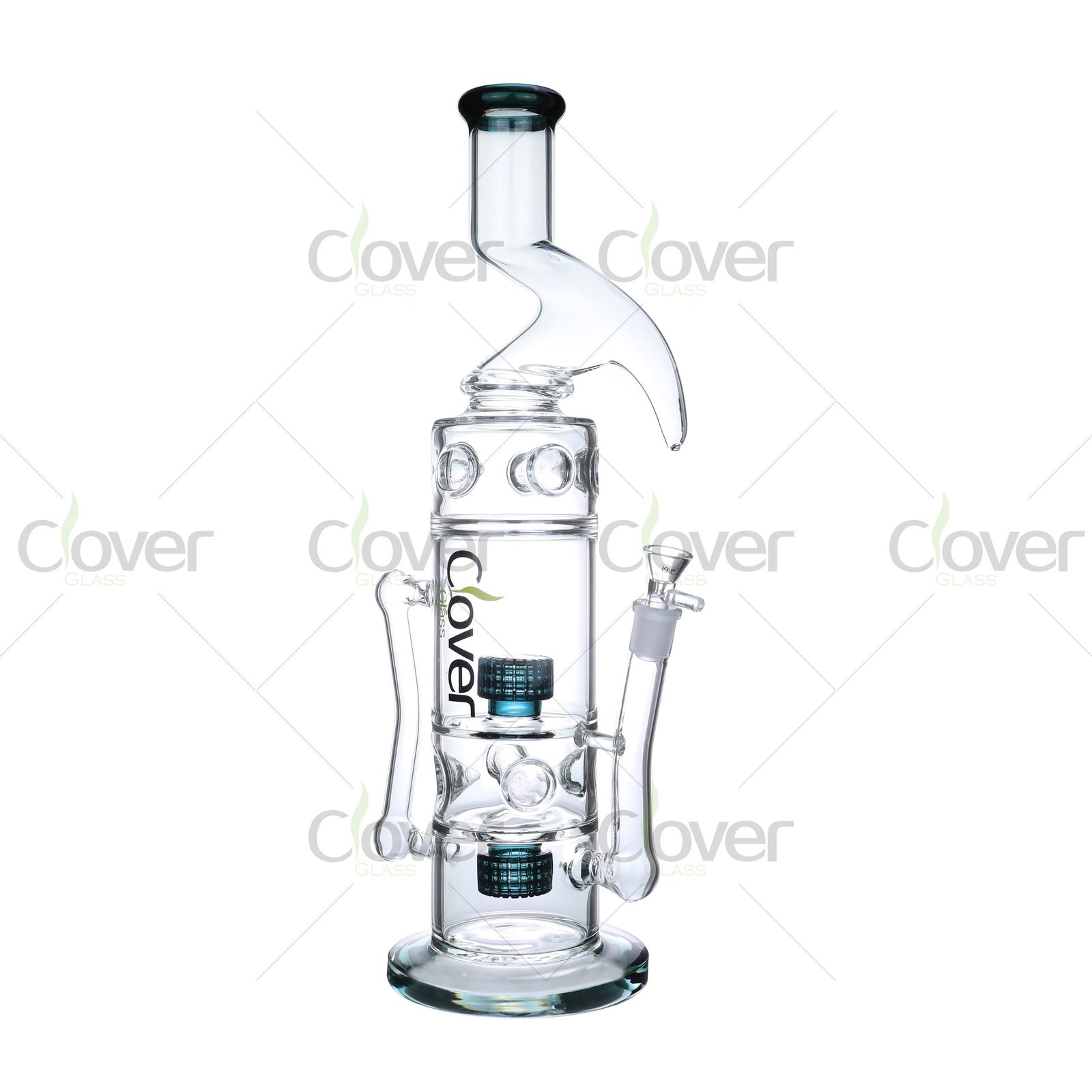
A percolator increases diffusion, cooling smoke and reducing harshness without changing the basic function of the bong.
Think of the percolator as a filter—not for chemicals, but for heat and particle size. Smaller bubbles mean:
- More water contact
- Slower smoke movement
- Lower temperature at inhale
This matters especially for people who take larger hits. Without diffusion, smoke stays hot and dry. With a percolator, the experience is noticeably softer.
One mistake I see beginners make is assuming “more percs = better.” That’s not always true. Poorly designed percolators restrict airflow and kill the draw. Good percolator bongs balance diffusion and airflow.
Common Percolator Functions
- Heat reduction
- Smoke smoothing
- Visual feedback (bubble action)
What Are the Different Types of Percolator Bongs?
There are several types of percolator bongs, each offering different diffusion styles, airflow resistance, and cleaning difficulty.
This is where most buyers get overwhelmed. Let’s simplify it.
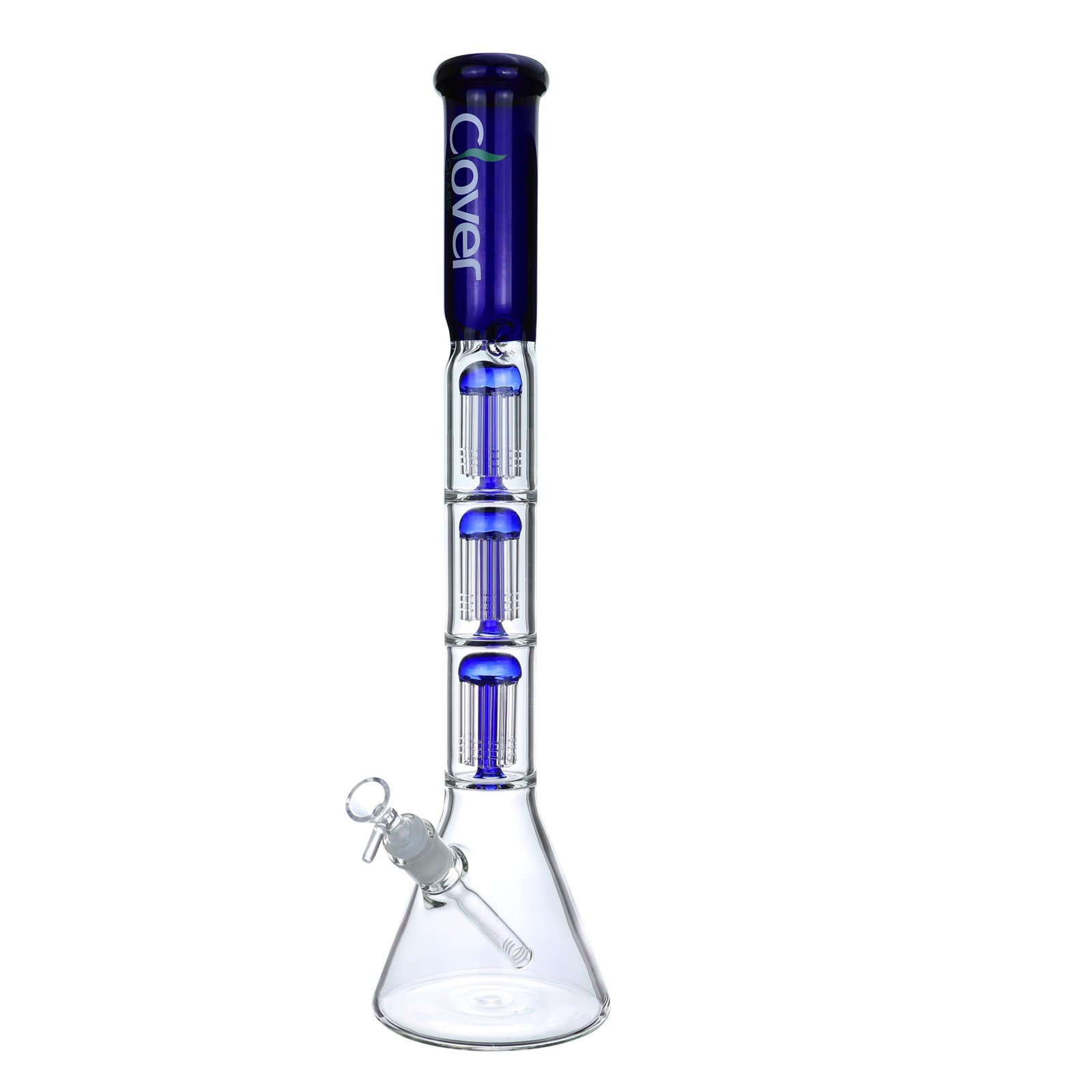
Single Percolator Bongs
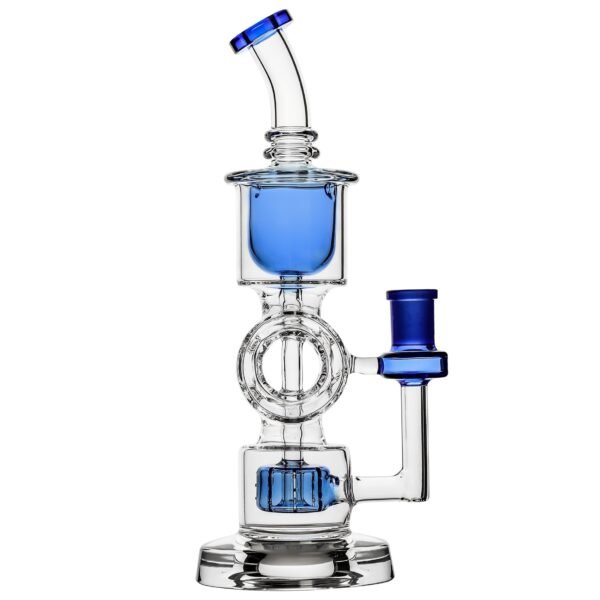
These use one percolator—often a tree, honeycomb, or showerhead.
Pros:
- Easy to clean
- Good airflow
- Affordable
Cons:
- Less diffusion than multi-perc designs
Double Percolator Bongs (Double Perc)
Double percolator bongs stack two diffusion points.
Pros:
- Smoother hits
- More cooling
Cons:
- Slightly harder to clean
- More drag if poorly designed
Multi-Chamber Percolator Bongs
These combine multiple chambers and percs.
Pros:
- Maximum diffusion
- Visually impressive
Cons:
- Requires regular cleaning
- Not beginner-friendly
In our LA warehouse, double perc models are consistently the fastest movers. They hit the sweet spot between performance and maintenance.
Are Percolator Bongs Better Than Regular Bongs?
Percolator bongs are better for smoother, cooler hits, but regular bongs are simpler and easier to maintain.
“Better” depends on what you value.
| Feature | Percolator Bong | Regular Bong |
|---|---|---|
| Smoothness | High | Medium |
| Cooling | Excellent | Basic |
| Cleaning | Moderate | Easy |
| Price | Higher | Lower |
| Learning curve | Medium | Low |
For daily users who care about comfort, percolator bongs usually win. For beginners or people who want low maintenance, a regular bong still makes sense.
Who Should Use a Percolator Bong?
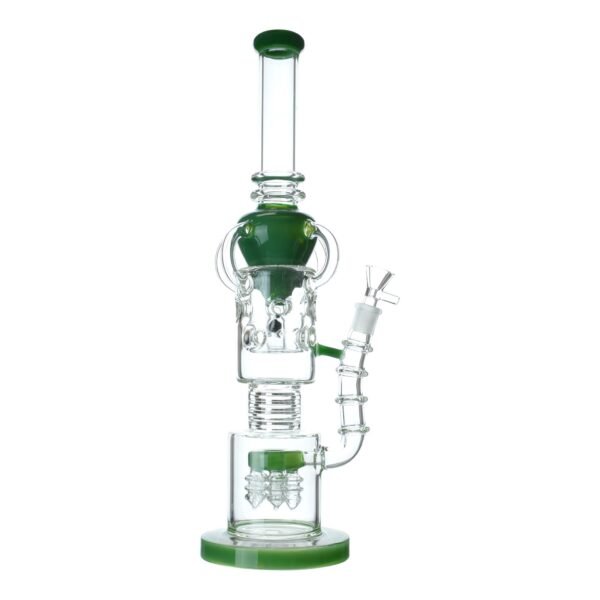
Percolator bongs are ideal for users who want smoother hits, better cooling, and a more refined smoking experience.
From what I’ve seen:
- Experienced smokers appreciate the reduced harshness.
- Casual users like the visual appeal.
- Collectors enjoy the glass craftsmanship.
Percolator bongs are also popular gifts because they feel premium. That’s one reason smoke shops stock them heavily.
Percolator Bong vs Dab Rig: What’s the Difference?
A percolator bong is designed for dry herbs, while a dab rig is designed for concentrates—even though both may use percolators.
This is a critical distinction.
- Bong → flower → combustion
- Dab rig → concentrates → vaporization
Using a bong like a dab rig risks overheating and cracking the glass. I’ve seen it happen. Thermal shock is real.
Are Percolator Bongs Hard to Clean?
Percolator bongs require more frequent cleaning, but they are not difficult if cleaned regularly.
Cleaning tips I always share:
- Rinse with warm water after sessions
- Clean weekly with alcohol + salt
- Never pour boiling water into cold glass
Heat shock causes cracks. That’s one of the biggest breakage reasons we see in after-sales photos.
Why Do Smoke Shops Stock Percolator Bongs?
Smoke shops stock percolator bongs because they offer higher perceived value, better margins, and strong repeat demand.
From a business view:
- Customers upgrade to them
- Displays look premium
- Price points are flexible
At CloverGlass, percolator bongs are one of the categories we restock most often in our LA warehouse because sell-through is consistent.
Conclusion
Percolator bongs aren’t just about looks. They’re about performance, comfort, and control. Whether you’re a consumer choosing your first glass percolator bong or a retailer deciding what to stock, understanding how percolators work makes all the difference.
If you’re sourcing percolator bongs for retail or wholesale:
- Get wholesale quote
- Order Online: https://cloverglasspipe.com/order-glass-smoking-products-online/
- Email me: Fr***@********pe.com
FAQ
Q1: What is a percolator bong used for?
A percolator bong is used to cool and filter smoke by diffusing it through water before inhalation.
Q2: Do percolator bongs hit smoother?
Yes. The added diffusion reduces heat and harshness.
Q3: Are percolator bongs good for beginners?
They can be, but beginners may prefer simpler designs first.
Q4: Do percolator bongs need more cleaning?
Yes. More diffusion means more residue buildup.
Q5: What’s the most common percolator type?
Tree and honeycomb percolators are among the most popular.