What Makes a High-Quality Glass Bong? (Buyer’s Checklist)

Many buyers think all glass bongs look similar. At first glance, they do. But once you start using them, the differences become very clear.
I’ve seen customers complain about cracks, poor airflow, or parts that don’t fit—often after choosing the cheapest option.
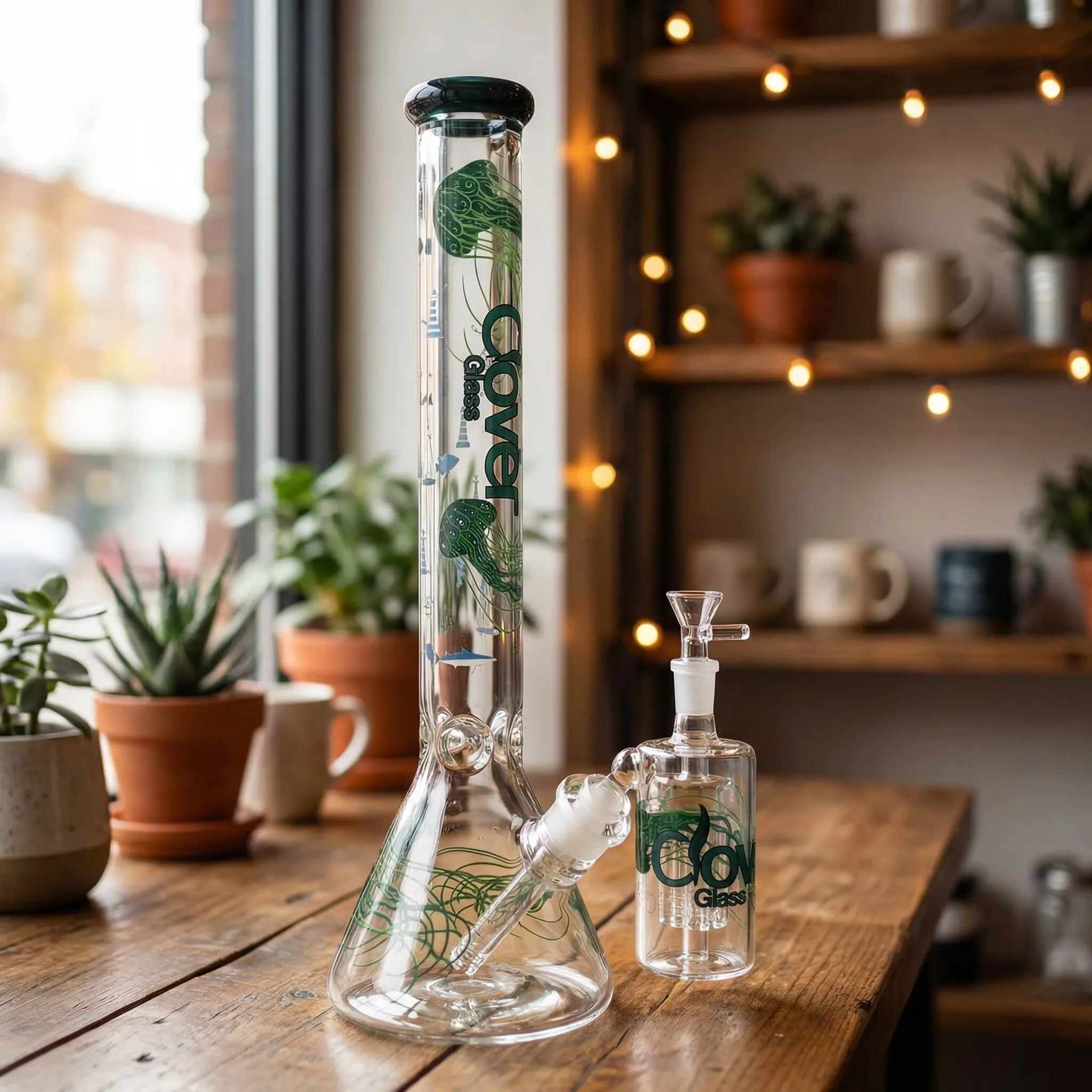
A high-quality glass bong is usually made from borosilicate glass, has proper thickness, precise joint fit, clean craftsmanship, and a design that balances smooth performance with easy maintenance. If you know what to check, it’s actually very easy to spot the difference.
Table of Contents
- What Type of Glass Is Used?
- How Thick Should a Quality Glass Bong Be?
- Does the Percolator Design Really Matter?
- Are the Joint and Bowl Fit Precise?
- How Is the Overall Build Quality?
- Is the Bong Easy to Clean?
- Quick Buyer Checklist
- FAQs
1. What Type of Glass Is Used? (Borosilicate vs Regular Glass)
The first thing I always tell buyers is simple: material matters more than design.
High-quality bongs are made from borosilicate glass. This type of glass is heat-resistant, stronger, and much less likely to crack during daily use.
Cheaper bongs often use regular glass. It may look similar, but it’s more fragile and can break easily with temperature changes or minor drops.
From my experience, if a product doesn’t clearly mention borosilicate glass, it’s usually not a good sign.
2. How Thick Should a Quality Glass Bong Be?
Thickness is directly related to durability.
Most common options you’ll see are:
- 3mm → lightweight, but easier to break
- 5mm → balanced and suitable for most users
- 7mm+ → heavy-duty, more stable, premium feel
For most buyers, I recommend at least 5mm thickness. It gives a solid feel without being too heavy.
In wholesale, thicker glass also means fewer returns. That’s something many buyers don’t think about at the beginning.
3. Does the Percolator Design Really Matter?
Short answer: yes, but not always in the way people think.
A percolator helps filter and cool the smoke by creating bubbles. This usually makes the experience smoother.
Common types include:
- Tree percs
- Honeycomb percs
- Showerhead percs
But here’s what I’ve noticed:
More complex doesn’t always mean better.
Some designs look impressive but are harder to clean and don’t improve performance much. A simple, well-designed perc often works better in daily use.
4. Are the Joint and Bowl Fit Precise and Standardized?
This is one of the most overlooked details.
Standard sizes like 14mm and 18mm are very important. If the joint is not precise, you’ll face:
- Air leaks
- Loose connections
- Compatibility issues with accessories
Also, pay attention to male vs female joints. Mixing them incorrectly is a common mistake, especially for beginners.
For wholesalers, standardization is critical. It ensures customers can easily replace or upgrade parts later.
5. How Is the Overall Build Quality and Craftsmanship?
This is where small details make a big difference.
A high-quality glass bong should have:
- Smooth, clean edges
- Symmetrical structure
- No visible bubbles or defects
- Stable base
When I inspect products, I always look at how “clean” the glass feels visually. Poor craftsmanship is usually easy to spot once you know what to look for.
Better craftsmanship also means better shelf appeal—which matters a lot in retail.
6. Is the Bong Easy to Clean and Maintain?
Many people ignore this until it becomes a problem.
Some bongs look great but are difficult to clean because of:
- Too many chambers
- Narrow pathways
- Complex percolators
In real use, simpler designs are often more practical.
A bong that is easy to clean will:
- Last longer
- Taste better
- Be used more often
From what I’ve seen, this directly affects customer satisfaction and repeat purchases.
✅ Quick Buyer Checklist
If you want a quick way to evaluate a bong, just check these:
- Made from borosilicate glass
- At least 5mm thickness
- Standard joint size (14mm or 18mm)
- Clean craftsmanship (no bubbles or rough edges)
- Stable base design
- Easy to clean structure
This simple checklist already covers most of the real differences.
💡 A Quick Insight from My Experience
Over the years, I’ve seen many buyers focus only on price at the beginning.
But later, they come back asking for better quality—because breakage, complaints, and bad user experience cost more in the long run.
That’s why I always say:
good glass is not just about looks, it’s about consistency and reliability.
❓ FAQ
What is the best thickness for a bong?
For most users, 5mm thickness is the best balance between durability and weight.
Are expensive bongs worth it?
Not always, but higher-quality bongs usually offer better durability, airflow, and overall experience.
How can you tell if a bong is high quality?
Check the material, thickness, joint precision, and craftsmanship. These are the key indicators.
Do percolators really make a difference?
Yes, they can improve smoothness, but simple designs are often more practical than overly complex ones.
What size joint is most common?
14mm is the most common size, followed by 18mm for larger setups.
🔚 Conclusion
Choosing a high-quality glass bong is not complicated once you know what to look for.
Focus on the basics—material, thickness, fit, and design—and you will avoid most common problems.
If you’re sourcing or choosing glass bongs, starting with quality will save you time, reduce issues, and create a better overall experience.