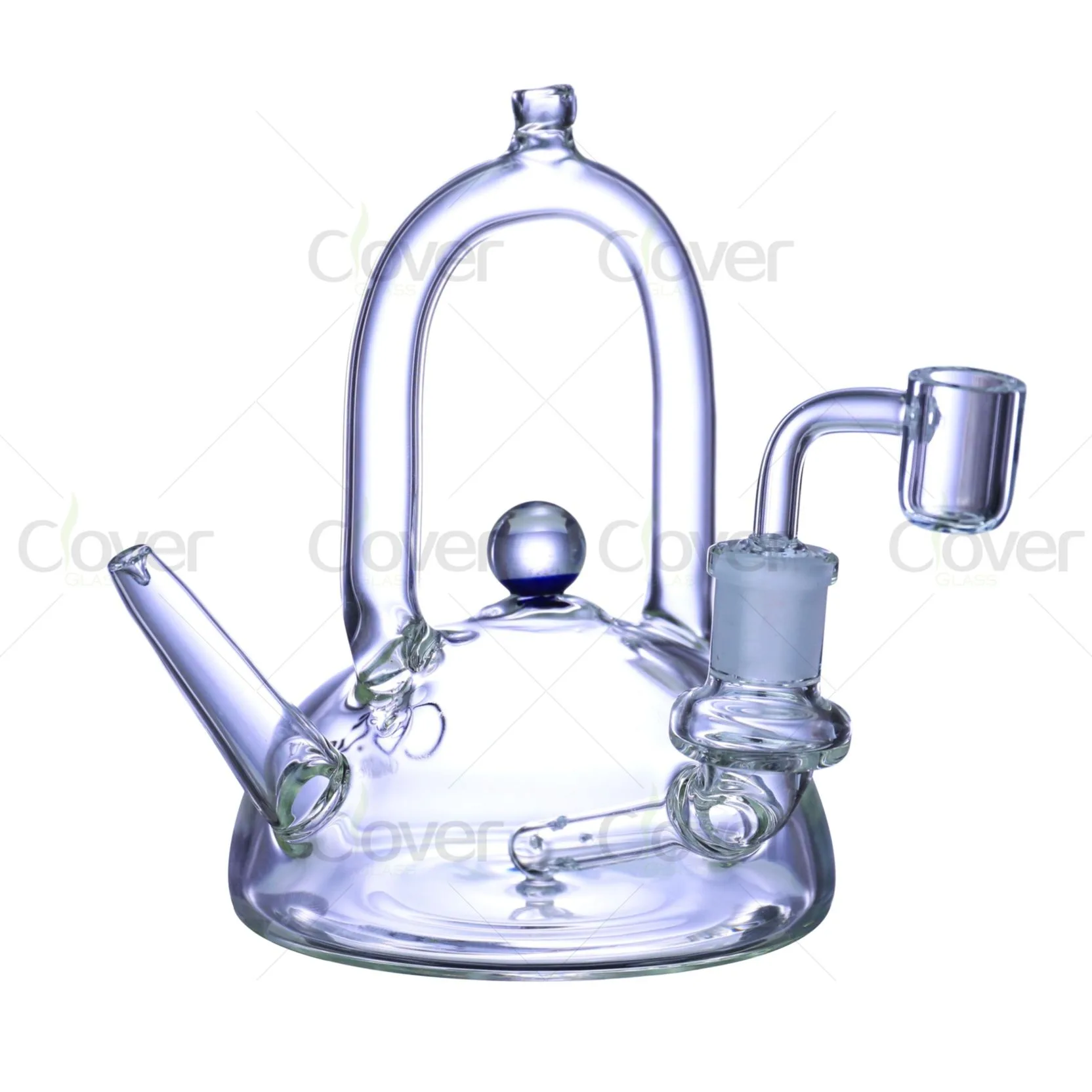
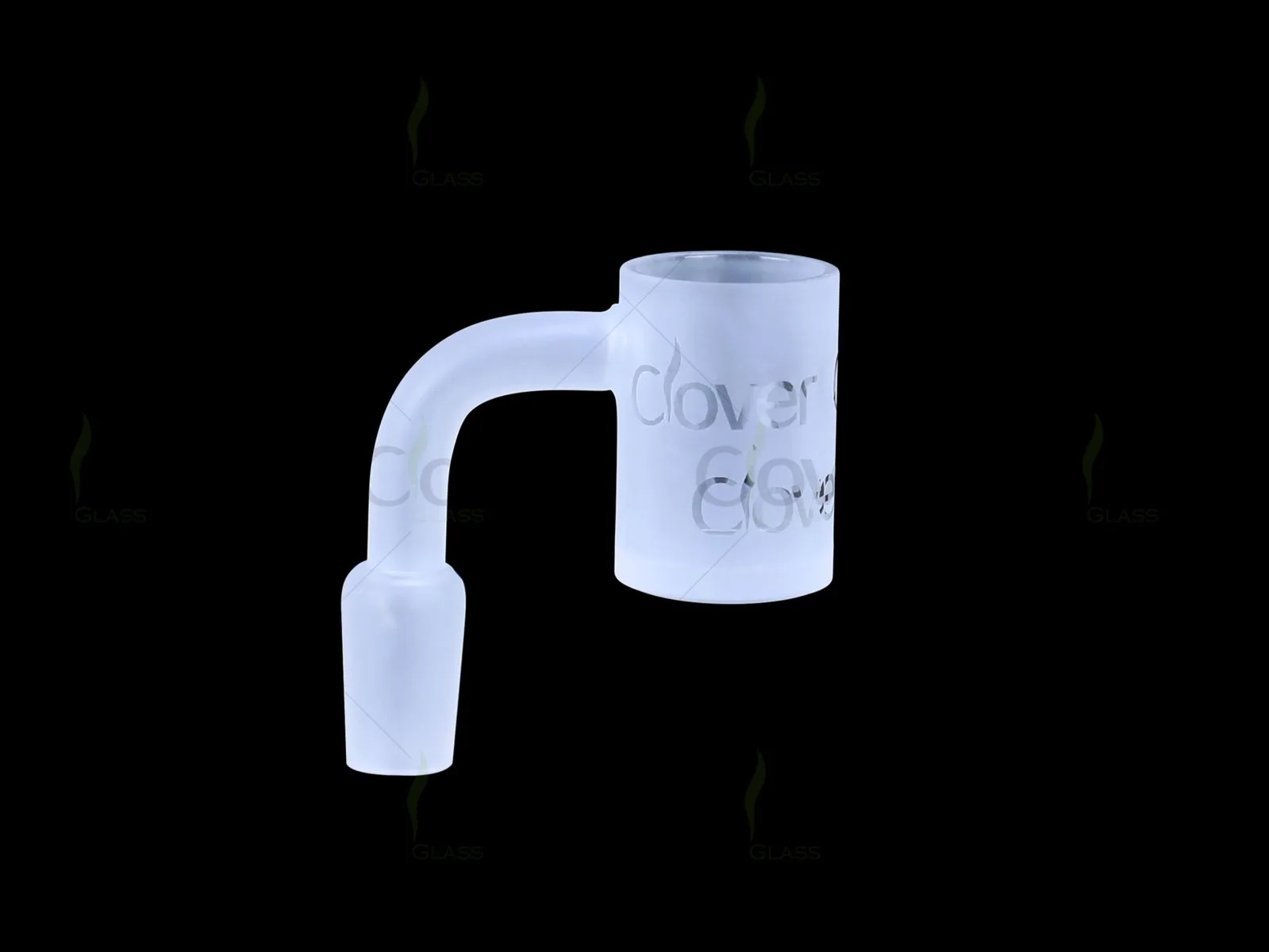
You bought a banger that looks crystal clear, but is it really quartz or just ordinary glass? Plenty of cheap bangers on the market claim to be “quartz” but are actually soda‑lime or borosilicate glass. They heat slower, crack easily, and ruin your dabs. So how can you tell the difference without a lab?
The easiest way to tell quartz from glass is by heating it. Quartz glows faintly red at very high heat and resists thermal shock, while glass will crack or melt under the same flame. Other quick tests: quartz feels heavier, scratches glass, and has a different sound when tapped. If your “quartz” banger cost less than $10, there’s a good chance it’s glass.
At CloverGlass, we only sell 100% genuine quartz bangers. Below are five simple tests you can do at home or in your shop to separate real quartz from fake glass.
Contents
- 1 Why It Matters: Quartz vs Glass Banger
- 2 Test 1 – The Heat Test (Most Reliable)
- 3 Test 2 – The Scratch Test (Hardness)
- 4 Test 3 – The Weight Test (Density)
- 5 Test 4 – The Tap & Sound Test
- 6 Test 5 – The Thermal Shock Test (Riskier – Not Recommended)
- 7 Quick Comparison Table
- 8 Why Cheap “Quartz” Bangers Are Often Glass
- 9 FAQ – Quartz vs Glass Banger
- 10 Conclusion + CTA
Why It Matters: Quartz vs Glass Banger
Real quartz (fused silica) and standard glass (soda‑lime or borosilicate) are completely different materials.
| Property | Quartz | Borosilicate Glass | Soda‑Lime Glass |
|---|---|---|---|
| Max temp | 1100°C+ | ~500°C | ~400°C |
| Thermal shock resistance | Excellent | Good | Poor |
| Heat retention | High | Low | Very low |
| Durability against torch | Excellent | Cracks over time | Cracks quickly |
| Flavor | Neutral | Slight off‑taste | Off‑taste |
A fake “quartz” banger will:
- Crack or shatter after a few heat cycles
- Taste burnt or “glassy” (because it leaches chemicals at high temp)
- Not hold heat long enough for a proper low‑temp dab
So knowing how to test is essential for both personal use and wholesale purchasing.
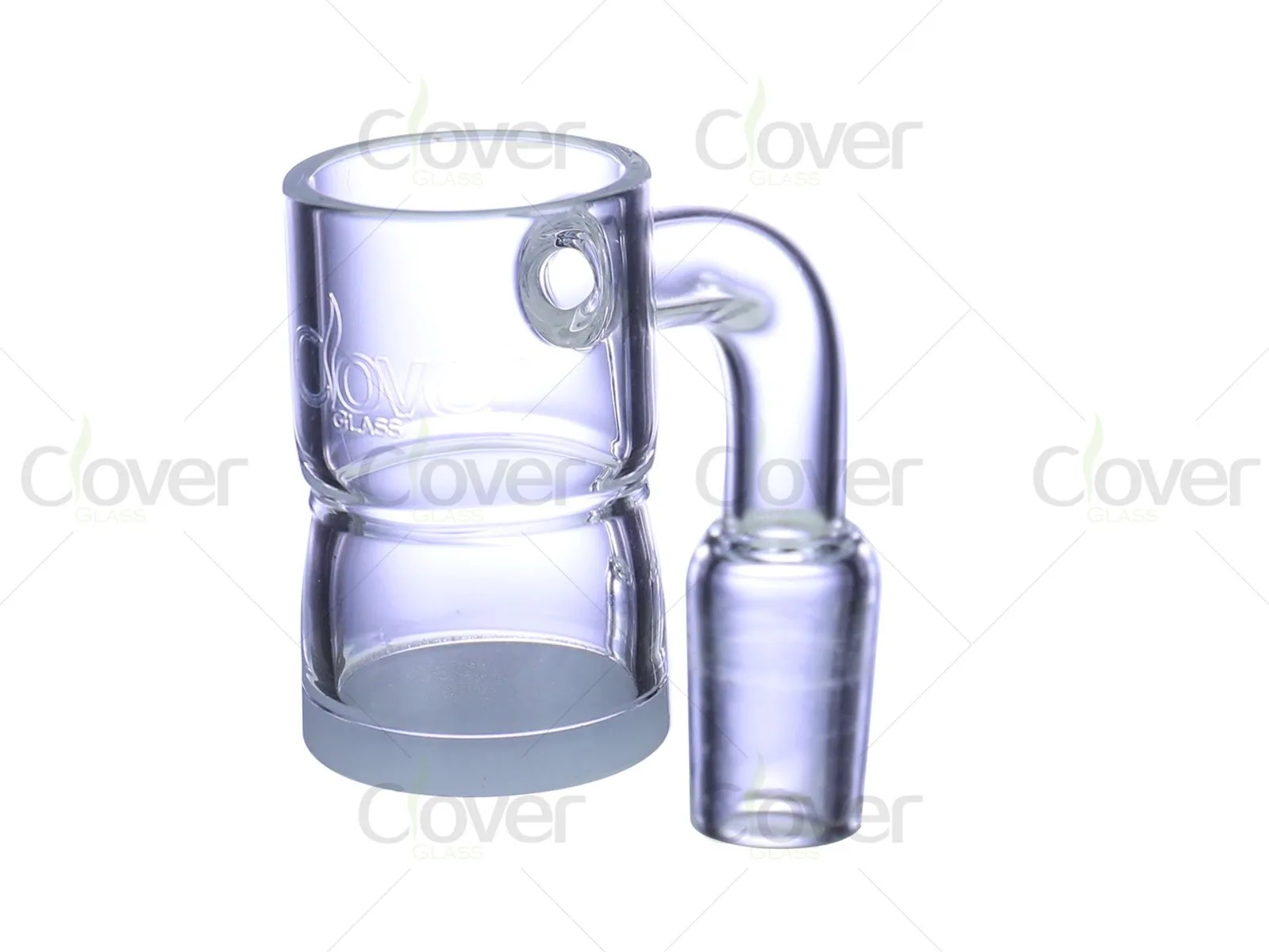
Test 1 – The Heat Test (Most Reliable)
What you need: A butane torch.
How to do it:
- Take the banger and hold it with heat‑safe pliers or tweezers.
- Apply a butane torch flame to the bottom for 15–20 seconds.
- Observe.
Real quartz: Will eventually develop a faint red/orange glow at very high heat (800°F+). It will not melt, crack, or deform. After cooling, it looks exactly the same.
Fake glass: Will either:
- Melt or droop at the bottom (soda‑lime glass)
- Develop cracks or stress fractures (borosilicate)
- Glow white‑hot and deform quickly
⚠️ Safety: Do this outdoors or in a well‑ventilated area. Wear safety glasses. Do not touch the hot banger.
Why it works: Quartz has a melting point above 1600°C, while even borosilicate glass softens around 800°C. A standard butane torch won’t hurt quartz but will destroy glass.
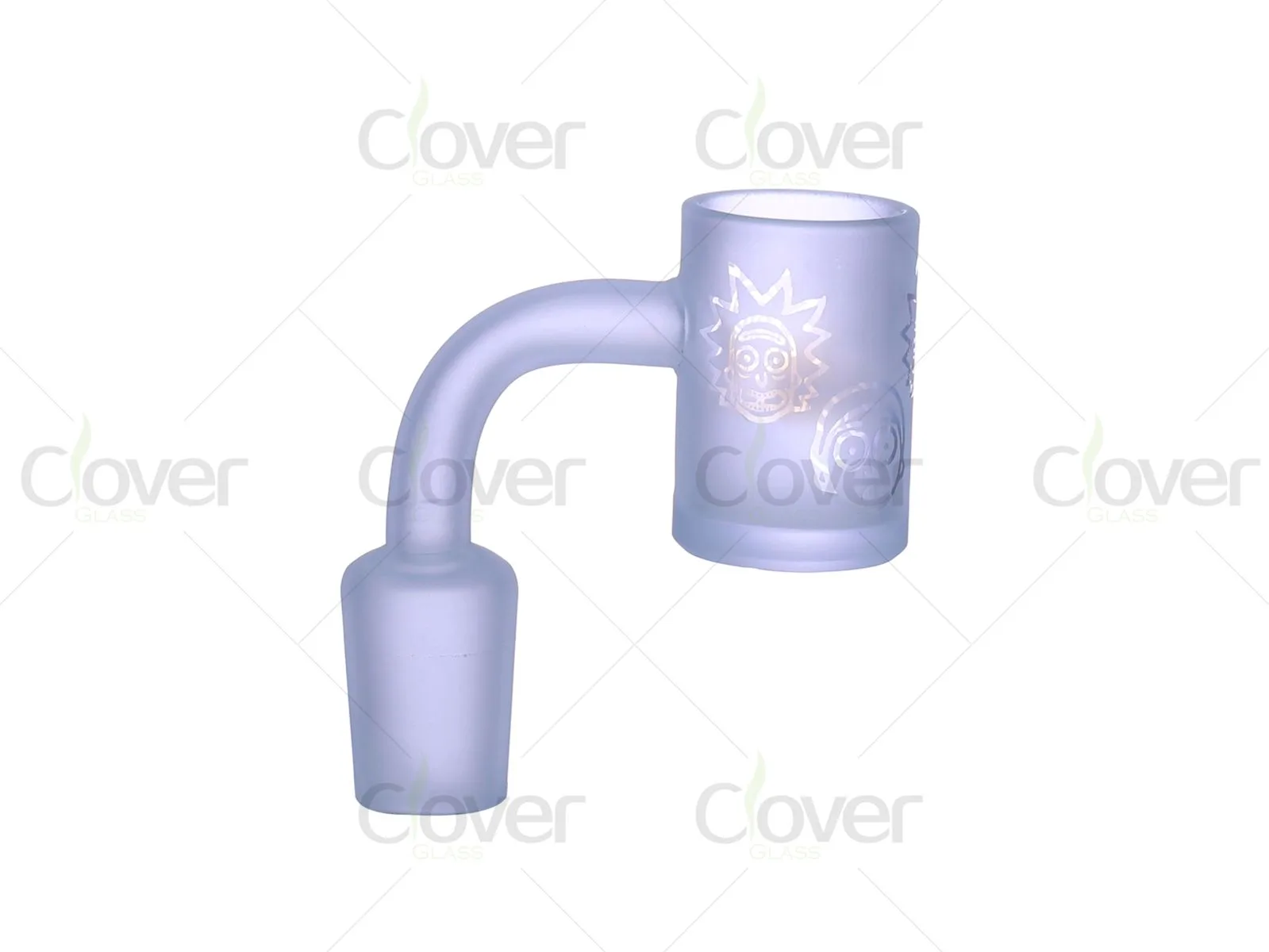
Test 2 – The Scratch Test (Hardness)
What you need: A piece of ordinary glass (like a drinking glass or a glass slide) – and the banger in question.
How to do it:
- Try to scratch the ordinary glass with the edge of the banger.
- Try to scratch the banger with the ordinary glass.
Real quartz: Quartz is much harder (7 on Mohs scale) than glass (~5.5). It will scratch ordinary glass easily. Glass will not scratch quartz.
Fake glass: The banger will not scratch regular glass. In fact, the regular glass might scratch the banger.
Alternative: Use a steel knife blade. Steel (~5.5) will scratch glass but not quartz. If the banger scratches easily with a knife, it’s glass.
Why it works: Quartz is one of the hardest common minerals – harder than window glass, harder than most knife blades.
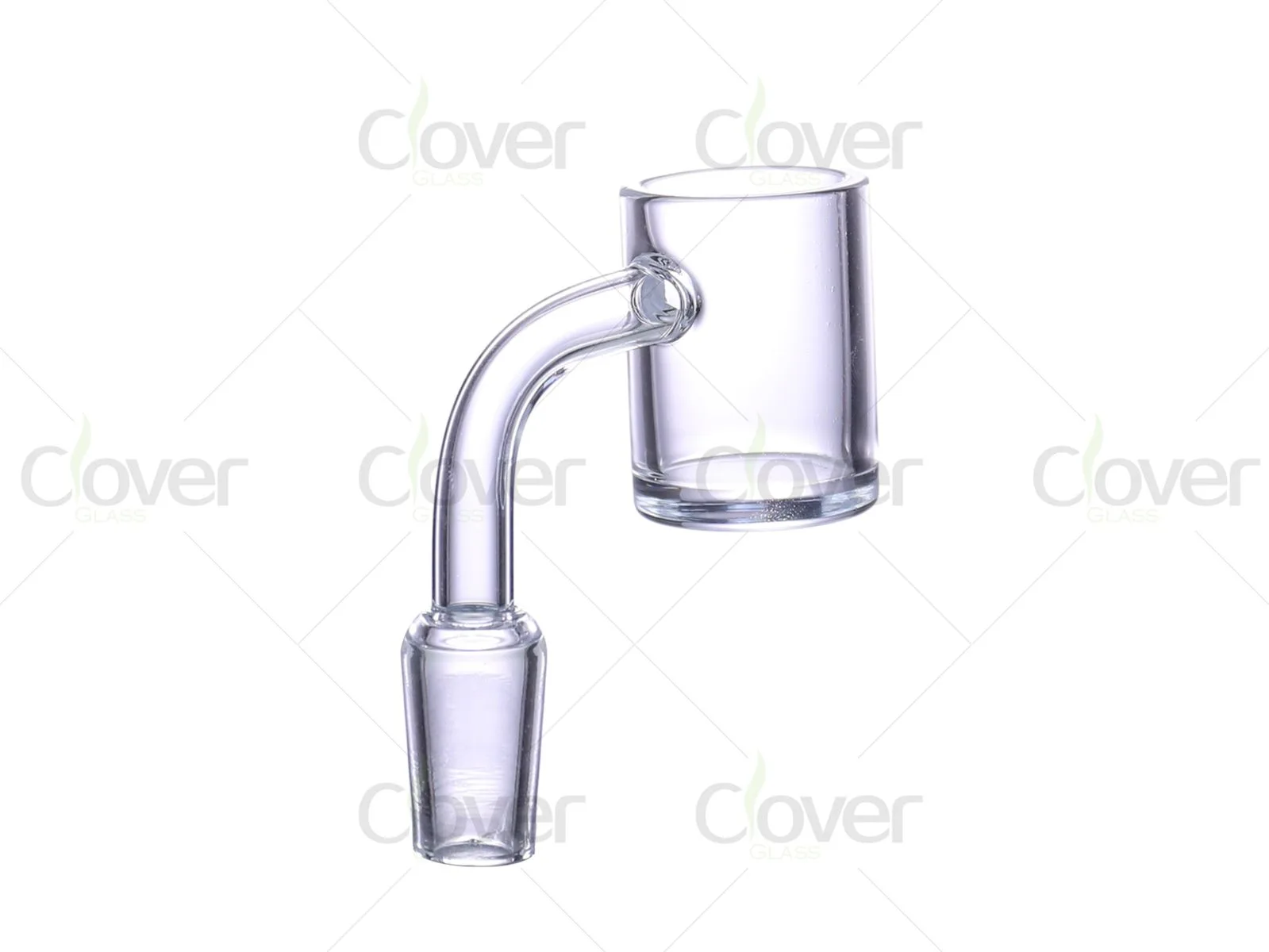
Test 3 – The Weight Test (Density)
What you need: Your hands and a known glass banger for comparison.
How to do it:
Hold the questionable banger in one hand and a similar‑sized glass object (or another banger you know is glass) in the other. Compare weight.
Real quartz: Feels noticeably heavier and denser than glass of the same size and thickness.
Fake glass: Feels lighter and “cheaper” in hand.
Why it works: Quartz has a density of ~2.65 g/cm³, while soda‑lime glass is ~2.4 g/cm³. The difference is small but perceptible when you have a side‑by‑side comparison.
Pro tip: This test works best when you have a genuine quartz banger to compare against. Once you’ve held real quartz, fake glass feels hollow and light.
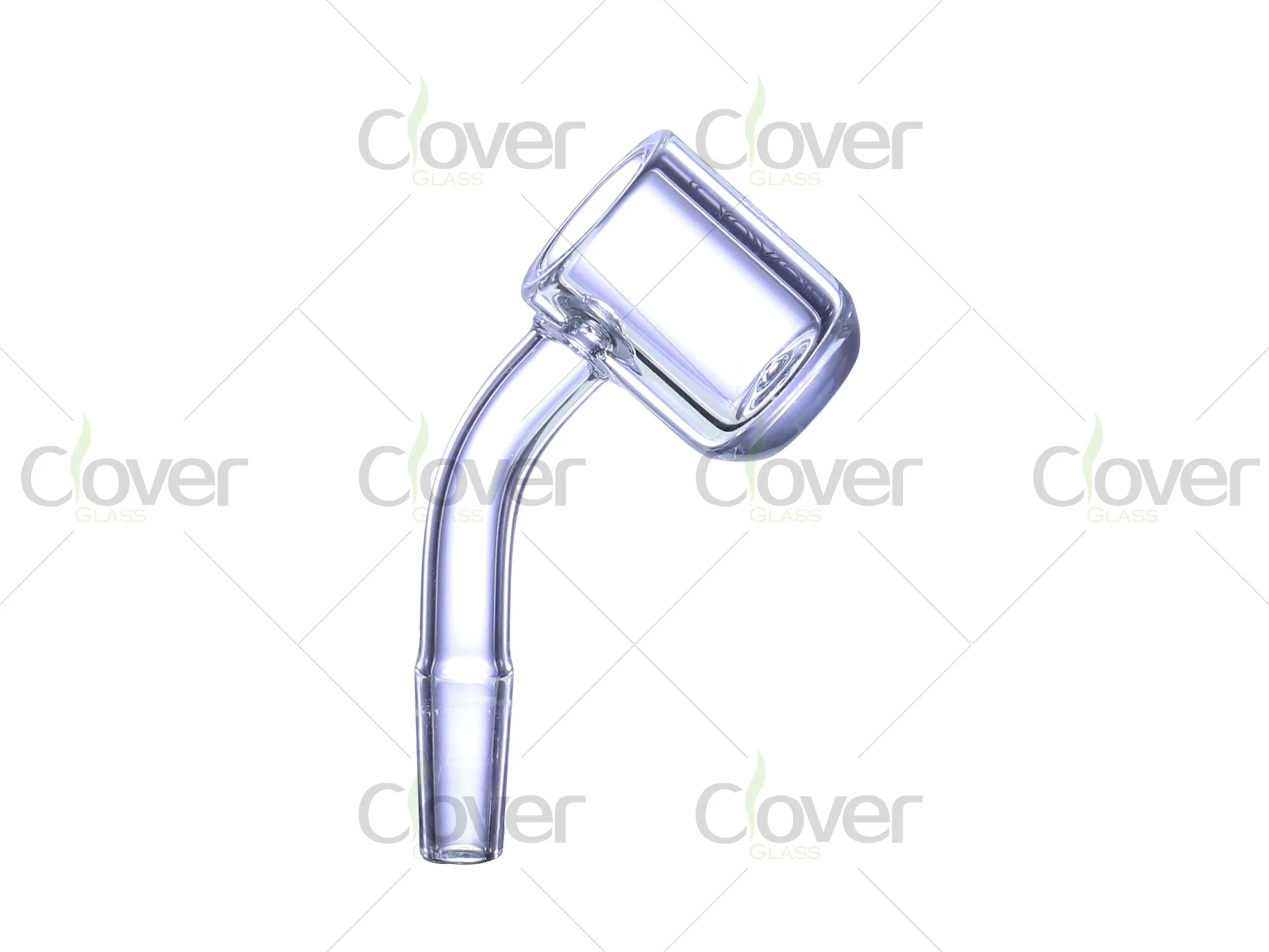
Test 4 – The Tap & Sound Test
What you need: A metal object (like a metal dab tool or a coin) or your fingernail.
How to do it:
Gently tap the banger with the metal object or flick it with your fingernail. Listen to the sound.
Real quartz: Produces a high‑pitched, clear ringing tone – almost like a bell. It resonates and sustains for a moment.
Fake glass: Produces a dull, flat thud or a low‑pitched click. No resonance.
Why it works: Quartz is crystalline and transmits sound vibrations very efficiently. Glass is amorphous and dampens sound.
Note: This test takes practice. Tap lightly – you don’t want to crack anything. And don’t rely on this test alone; combine it with others.
Test 5 – The Thermal Shock Test (Riskier – Not Recommended)
What you need: A torch, the banger, and cold water.
How to do it:
Heat the banger for 20 seconds, then immediately dip it in room‑temperature water.
Real quartz: Will likely survive (quartz is extremely thermal shock resistant). But it can still crack if the temperature difference is extreme.
Fake glass: Will almost certainly crack or shatter instantly.
⚠️ WARNING: This test can destroy a glass banger and may cause glass shards to fly. Wear safety glasses and gloves. We don’t recommend this test unless you don’t care about breaking the banger.
Better alternative: Use the heat test (#1) and observe if any cracks appear after heating and cooling naturally. If it cracks just from normal torch use, it’s glass.
Quick Comparison Table
| Test | Real Quartz | Fake Glass |
|---|---|---|
| Heat test | Faint red glow, no deformation | Melts, droops, or cracks |
| Scratch test | Scratches ordinary glass | Does not scratch glass |
| Weight test | Heavier, dense | Lighter, hollow feel |
| Sound test | High‑pitched ring | Dull thud |
| Thermal shock | Survives (usually) | Cracks or shatters |
| Price | $15+ wholesale | $2–$10 |
Why Cheap “Quartz” Bangers Are Often Glass
If a banger costs $5 wholesale or $10 retail, it is almost certainly not quartz.
- Genuine quartz costs significantly more to manufacture (high‑purity silica, precise heating, quality control).
- Glass bangers are mass‑produced in low‑cost factories and labeled as “quartz” to increase price.
- Many online marketplaces (Amazon, eBay, AliExpress) are flooded with fake quartz.
Red flags to look for:
- Price below $10 retail
- No brand or “generic”
- Claims of “quartz” but no specs on purity or thickness
- Sold in bulk by unknown sellers
At CloverGlass, every quartz banger is lab‑tested and clearly labeled with thickness and material. We stand behind our quartz.
FAQ – Quartz vs Glass Banger
Q1: Can a glass banger be used for dabbing?
A: Technically yes, but it will crack quickly, taste bad, and may leach chemicals. Never use a glass banger with a torch – it’s dangerous.
Q2: How can I tell if my banger is quartz without destroying it?
A: Use the scratch test (scratch a piece of glass) and the weight test. Combined, they’re very reliable.
Q3: Is borosilicate glass the same as quartz?
A: No. Borosilicate (Pyrex) is glass with added boron. It’s more heat‑resistant than soda‑lime glass but still no match for quartz. A torch will eventually crack it.
Q4: Why does my quartz banger sometimes look cloudy?
A: That’s chazzing – burnt residue from overheating. It’s not a sign of fake quartz. Real quartz can chazz if you dab too hot.
Q5: Does real quartz ever crack?
A: Yes, if you thermally shock it (e.g., red hot into cold water). But under normal dabbing conditions, quartz should not crack.
Q6: How much should a real quartz banger cost?
A: Wholesale from a reputable supplier: $15–$40 depending on thickness and style (thermal, opaque, etc.). Retail: $30–$80.
Q7: Can I use a glass banger with an e‑nail?
A: No. E‑nails also generate high heat. Glass will crack. Only use quartz or titanium with e‑nails.
Q8: Why does my fake quartz banger taste bad?
A: Glass releases impurities when heated. Real quartz is inert and tasteless.
Q9: Are colored bangers always quartz?
A: Not necessarily. Some colored bangers are glass with pigment. If the color fades or burns, it’s probably glass. Real quartz color is baked in and extremely durable.
Q10: Where can I buy genuine quartz bangers?
A: CloverGlass sells 100% authentic quartz bangers – 2.5mm, 3mm, 4mm, thermal, opaque bottom, and core reactor styles. Wholesale and retail available.
Conclusion + CTA
Telling quartz from glass is easy once you know the tricks. Heat it, scratch it, weigh it, and listen to it. A real quartz banger will survive the torch, scratch ordinary glass, feel heavier, and ring like a bell. A glass banger will melt, scratch easily, feel light, and sound dull.
For individual dabbers: Don’t waste money on fake “quartz.” Invest in a real quartz banger – your flavor and safety depend on it.
For smoke shop owners: Stock only genuine quartz. Your reputation depends on quality. Educate your customers on how to spot fakes – they’ll trust you more.
👉 Ready to stock or buy real quartz bangers? CloverGlass offers factory‑direct pricing, low MOQ, and fast LA warehouse shipping. Every banger is 100% quartz – guaranteed.
Get wholesale pricing: [Contact our B2B team]
Order online: https://cloverglasspipe.com/order-glass-smoking-products-online/
Email Frank: Fr***@********pe.com